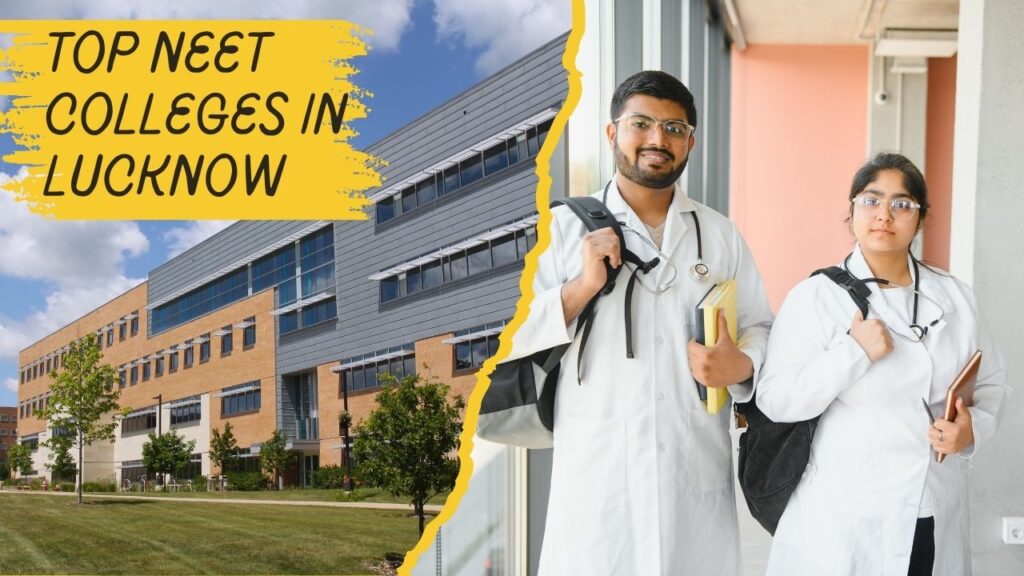
Top NEET Colleges in Lucknow with High Ranks, Fees, Seats and Details

Top NEET Colleges in Lucknow

Lucknow, the Capital of Uttar Pradesh, has now become a prominent area for medical education in India. If you’re a NEET aspirant looking to get admission in a good medical college, then the city of Lucknow holds an impressive list of both government and private colleges who are recognized at the national and international level. For those who are looking for an economical government seat or want to know the top private colleges with world-class amenities, this article will help you in knowing the top NEET colleges in Lucknow, along with detailed information about the rankings, fee structure, availability of seats and the USP of each institute.  

Understanding the Medical College Landscape in Lucknow

Before we get into the names of specific colleges, it is necessary to know that the medical education in Lucknow is multi-faceted and thriving. Ranging from government colleges with very minimal fees to super premium private colleges having infrastructure at par with global standards. It has national level post graduate institutes, century old undergraduate medical colleges and some of the best private medical colleges in the country with rigorous academic regimen and modern day teaching methodologies.​  

King George’s Medical University (KGMU)
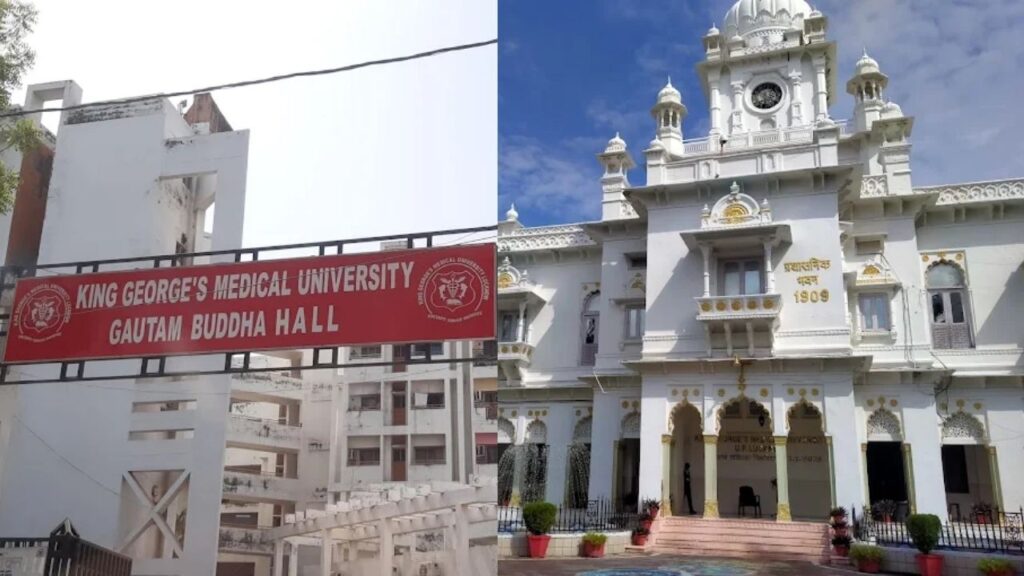
King George's Medical University
Ranking & Recognition
KGMU is a premier medical college in India and is ranked 8th in the NIRF 2025 medical college ranking. KGMU has been a synonym of medical excellence in North India, that has been a legacy for more than a century. The university is well known for its research in oncology, transplant sciences and infectious-disease genomics. 
Fees & Seat 
The KGMU MBBS seat matrix is a total of 250 seats, with 15% seats allotted to the All India Quota and 85% seats are for State Quota. For state quota candidates, the fee per year is about ₹54,600, and for non-resident students, it is ₹3,52,400 per year, which is really cheap. There are some who will say they can afford higher fees but the reality is that a total fee of around rupees 2.38 lakhs for a 5.5 year (4.5 years of classwork and 1 year internship) course is a bargain for a quality medical education. 
NEET Score
King George’s Medical University takes students through NEET score which is expected to be around 625-635 marks. 
Hostel & Campus Life
The charges for Single Seater room is of Rs. 3600/- per annum and the electricity charges are Rs. 3500/-. On the other hand, the Double Seater Room is available for Rs. 2400/- per annum electricity charges are to be paid separately. 

Dr. Ram Manohar Lohia Institute of Medical Sciences
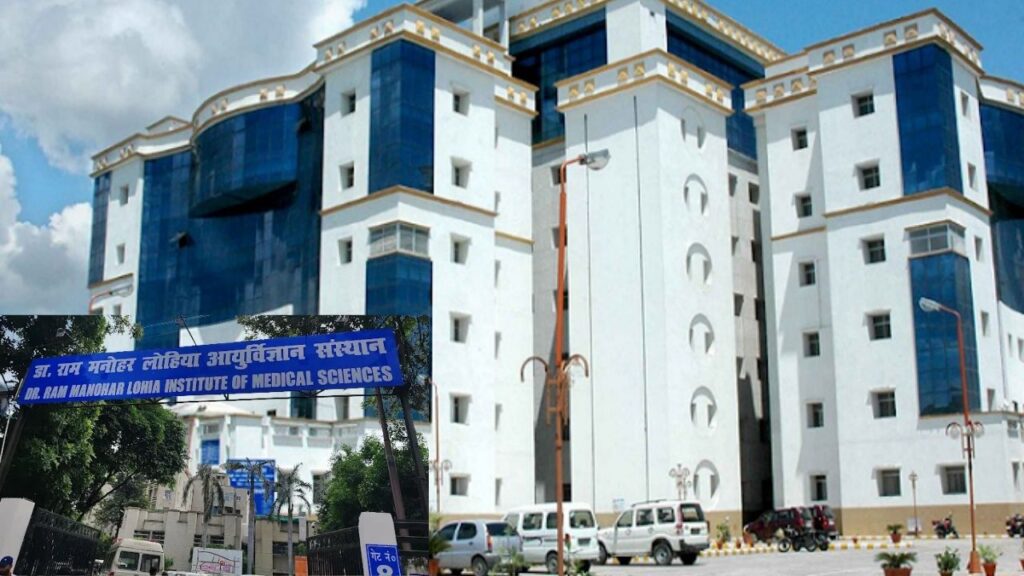
Dr. Ram Manohar Lohia Institute of Medical Sciences
Ranking & Recognition
RMLIMS was formed and became operational as a State University from 2018 and has the distinction of being ranked at 61 position among Medical Colleges (NIRF 2025) which is a great achievement with an overall score of 982/2000. The institute has been established in Gomti Nagar in a spacious 42 acres campus with ultramodern infrastructure.  
Seat Distribution & Admission
The college has 200 seats in MBBS from this year, out of which 50% will be filled through All India Quota (AIQ) by MCC and 50% will be filled under State Quota by UP NEET counselling. This balance accommodates opportunities also for candidates at the state level in addition to the national level. 
Fee Structure
For the whole course, the Rs 1.82 lakh fee of MBBS at RMLIMS is one of the cheapest among all government medical colleges. The fee for the year is around Rs 49,700 which covers all tuition and examination fees.  
NEET Score Required
General category 2024 cutoff rank was approximately 2683. For AIQ seats, the aspirants who want to take admission must have been targeting a rank below 2000 with NEET score of 640 marks or above. Due to domicile preferences, the state quota cutoff rank is usually slightly lower.  
Internship & Career Prospects
Students doing internship at RMLIMS get stipend from ₹10,000 to ₹16,000 per month. The university also has 100% placements, with its students getting jobs in renowned organisations like the SGPGI, KGMU, PSUs and private hospitals.   

Sanjay Gandhi Medical Sciences Institute
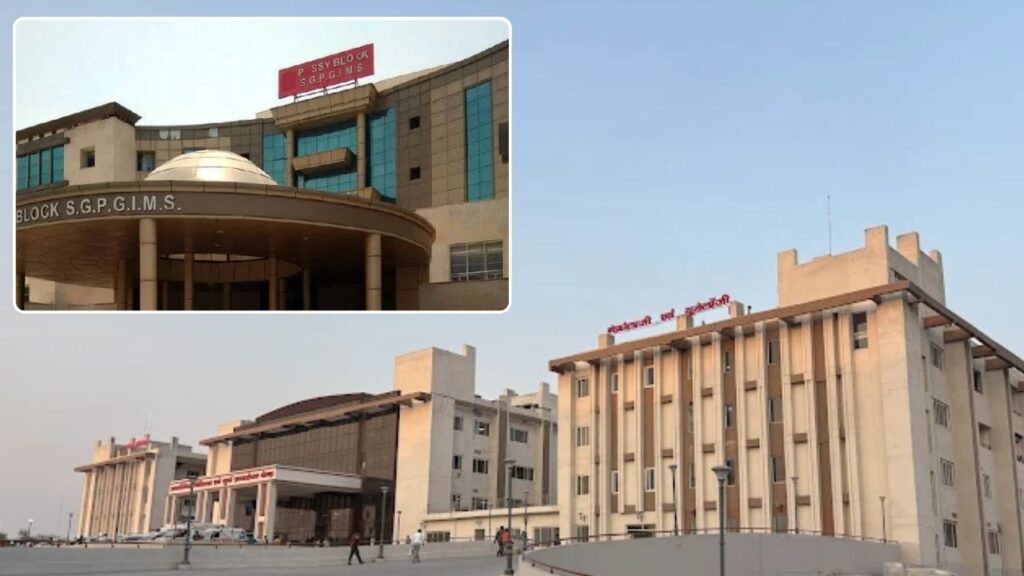
Sanjay Gandhi Medical Sciences Institute
National Stature & Rankings
SGPGIMS is an institute of national importance and ranks 5th in India as per NIRF 2025 with a laudable score of 70.09. The university is known for its high standards in teaching, research, and clinical services and is one of the best medical institutes in India.   
Important Note on SGPGIMS
SGPGIMS is an institute for post graduate and superspeciality courses. For MBBS UG, only KGMU and RMLIMS. However, for post graduation for a specialist, SGPGIMS is the be all and end all.  

Top Private Medical Colleges in Lucknow

Candidates who are looking for private medical colleges that have good infrastructure and other facilities can check out the following list containing the best private medical colleges in Lucknow. 

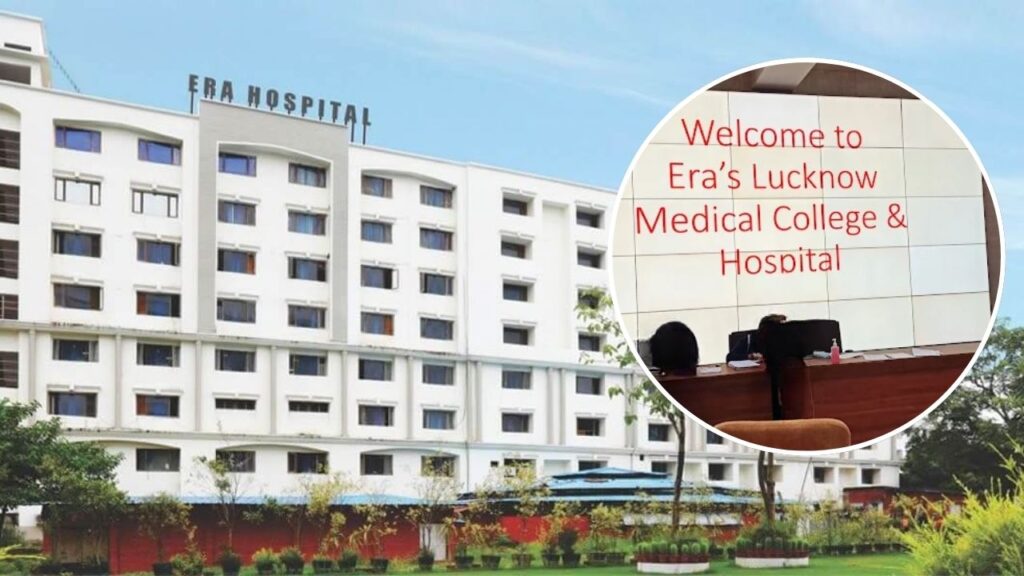
Era’s Lucknow Medical College and Hospital

Era’s Lucknow Medical College has been ranked 32 by India Today 2024 and it is one of the best paramedical colleges in India which provides 200 MBBS seats every year the highest in any pmt college in India. The National Medical Commission (NMC) recognizes the university, and the institution is NABH accredited which implies high educational standards.​

Era's Lucknow Medical College and Hospital

The complete MBBS course fee at Era’s Lucknow is approximately ₹16.6 lakhs p.a, making the the total 5 year program fee to be ₹71.16 Via. NEET cut off 2024 was a general category closing rank of 375,564 as per UP state counselling data.

Era’s is attached to a 750-bed teaching hospital with more than 1,690 OPD cases each day, which is remarkable clinical exposure. The faculty of the college is well qualified doctors and institutions have UG & PG courses. 

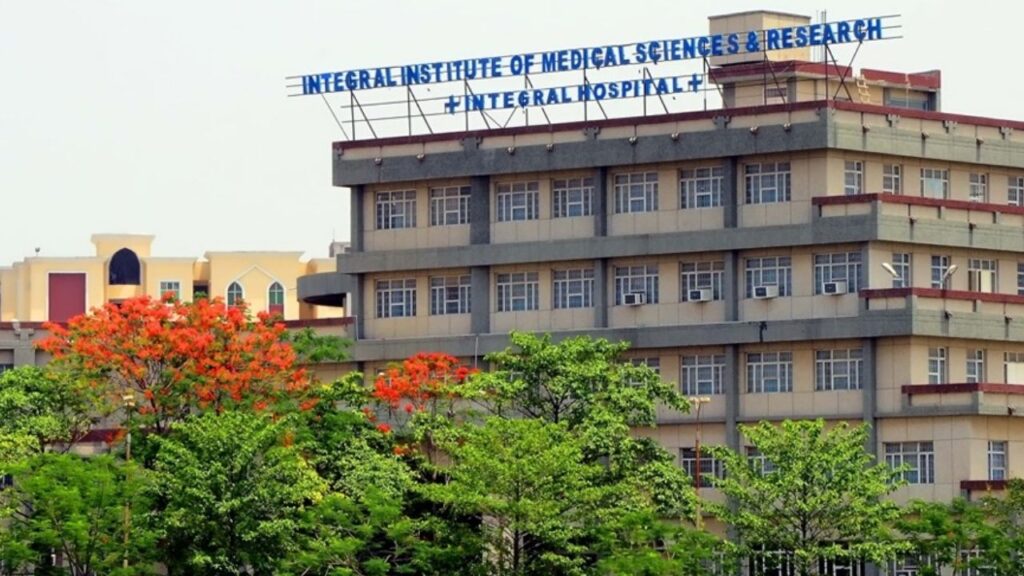
Integral Institute of Medical Sciences & Research 

IIMSR Lucknow was established in 2013 and it provides 150 seats for the course of MBBS and is placed at 118th position in NIRF Ranking with 825 score. The yearly fee is ₹11,40,000, while the overall fees for the course is ₹81 lakhs which include the cost of living in the hostel, mess etc.​

Integral Institute of Medical Sciences & Research 

For 2024, U.P State Counselling the general category closing rank was approximately 428,214. College infrastructure is good and gives internship stipend of Rs. 12,000 – 18,000 per month as per MCI. 

Career Institute of Medical Sciences (CIMSH)

CIMSH has 150 MBBS seats with a fee of ₹71.1 lakhs per year. The closing rank for general in 2024 was 452,601, which is a bit higher than some of the other best private colleges.
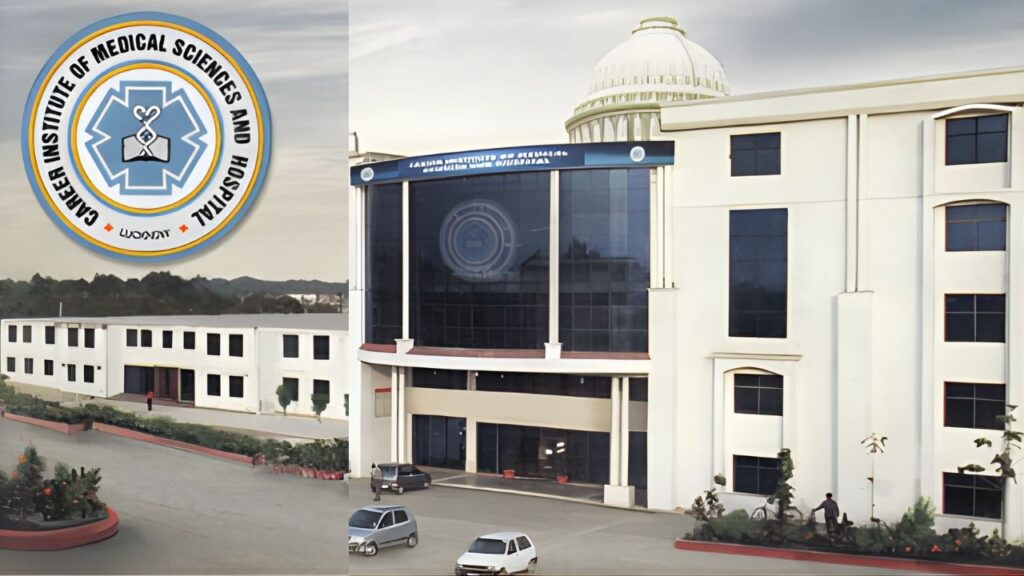
Career Institute of Medical Sciences (CIMSH)

The college follows the norms stipulated by the National Medical Commission and imparts overall medical education with clinical training in associated hospital. 

Comparative Fee Structure Overview

Government Colleges
KGMU₹2.38 lakhs total : ₹54,600 annually
RMLIMS₹1.82 lakhs total (₹49,700 annually)
Private Colleges
Era’s Lucknow₹71.16 lakhs total (₹16.6 lakhs annually)
Integral University₹81 lakhs total (₹11.4 lakhs+ annually)
Career Institute₹71.1 lakhs total (approximately ₹14.2 lakhs annually)

Understanding NEET Cutoffs and Rankings

The NEET cutoff denotes the threshold-score and rank prescribed for getting the admission, the one that is the basic requirement aspirants have to meet. It’s important to keep in mind that cutoffs differ wildly between types of applicants:

AIQ (All India Quota) – It tends higher competitiveness, with higher cutoffs, through the MCC for admission.

State Quota – For students of Uttar Pradesh only, higher cutoffs are generally included because of domiciliary preference.

For most government colleges like KGMU, a score of 700+ in NEET for AIQ, 690+ for state quota is a safe bet for gen category aspirants. It would help if you aimed for 640+ marks in RMLIMS if you belong to a competitive category.​

The cutoff of private colleges is very fluctuating as per intake and managing members. But do keep in mind that the fees are significantly higher at Private colleges with lower cutoff ranks.

Read More 👉  Bihar BSSC Inter Level Online Form 2025: Apply Online, Dates & Eligibility

Preparing for NEET to Secure Admission

With a 650+ score in NEET, you have great chances in top government colleges. A 600+ score makes you competitive to RMLIMS as well, below 600 scores are mainly for the private colleges or least ranked government colleges. 

Begin your NEET study preparations around 12-18 months prior to the exam. Work on making concepts crystal clear, no rote learning. Enroll in good coaching if required, be consistent in your studies, and take mock tests frequently to know about your progress. Remember, NEET is to test on your knowledge, analytical abilities and time management. 

Internship Opportunities and Career Prospects

One major benefit of doing medicine in Lucknow is the quality of the internship. Government colleges provide stipend for internship in the range of ₹12,000 to ₹20,000 per month whereas private colleges generally pay ₹12,000 to ₹18,000 per month. And more importantly, lucknow medical colleges have so many diversified medical affiliated hospitals and specialty centers.

After your MBBS then have good scope in lucknow for Post Graduation especially through SGPGIMS which has been nationally recognized for its PG courses. Many graduates of MBBS from Lucknow Colleges like KGMC secure seats in premier institutions for further specialisation. 

Conclusion

The medical colleges in Lucknow provide an all-round ecosystem for quality education at different price brackets. Be it a merit-cum-based student looking at government institutes or a well-heeled parent to afford the best of private institutes in the city, Lucknow has some to match your dreams. The secret is to know what are your strengths, financials, career goals and select based on that.

Start your preparation seriously, be consistent and “Believe in yourself”. Lucknow is one city where you can certainly “make it” if you set your mind to it, your determination and efforts and get into one of the best colleges there is, there is no doubt about that. The right college choice is what starts you on your journey to becoming a compassionate and skilled doctor – and when it comes to that, Lucknow certainly has some great places to get the journey started. 

Leave a Comment

Your email address will not be published. Required fields are marked *

Top 7 Best B Pharma Colleges in Lucknow You Must Know in 2025

Pursuing a BPharma means you are going to enter in the drugs and medicine fields. Students can make their career bright by choosing the best college for their further education because the best college not only offers a degree but also offers industry knowledge, support in their training, and strong curriculum. Top 7 Best B Pharma Colleges in Lucknow stand a chance to provide you placement opportunities in pharmaceutical companies with good salary packages.

Lucknow is a growing education hub in almost every field. So, let’s look into the college’s details to help you decide which one aligns with your requirement and meets the budget area. 

ERA University

Most of the students prefer to get admission in Era University for medical and pharmacy courses including B.Pharma. It is the best college in Lucknow for providing quality education with both theory and practical knowledge. BPharma 

Era University nursing lab with students learning under faculty supervision.

Era University fee, placement record, and admission process:

BPharma Total Fee₹5,60,000
Placement₹4 lakh per annum (achieve 90% placement rate)
Admission Process10+2 in Science stream (Biology, Physics, Chemistry)Test-based selection

Integral University

Integral University offers various courses across diverse fields. It has become the best university in Lucknow and offers a four year BPharma program with a quality education, practical assessments, and good placement to most of the students. 

Integral University, Lucknow

Integral University fee, placement record, and admission process:

BPharma Total Fee₹5,20,000 (additional fee may vary the final amount)
Placement₹3–4 lakh per annum (achieve 85% placement rate)Highest package can go up to ₹32.57 LPA
Admission Process10+2 in Science stream (Biology, Physics, Chemistry)Entrance: IUET (Integral University Entrance Test)100 seats for BPharma every year

Saroj Institute of Technology & Management

Saroj Institute of Technology is a private college which offers pharmacy courses that make your career shine in pharmaceuticals. Many companies hired students from this college through placement drives. Students can take admission in the popular programs including B.Pharma, D.Pharma, and M.Pharma.

Saroj Institute of Technology & management fee, placement record, and admission process:

BPharma Total Fee₹2.82 lakh (additional fee may vary the final amount)
DPharma Total Fee₹1 lakh
M.Pharma Total fee₹1.5 lakh
Placement₹3.8–4.2 LPA (achieve 90% placement rate)Highest package can go up to ₹7 lakh LPA
Admission Process10+2 in Science stream (Biology, Physics, Chemistry)Entrance: CUET scoreCounselling after selection

University of Lucknow

This well-known University of Lucknow offers students a better scope in their pharmacy field. This government university offers a four year BPharma program with a strong curriculum, training, and placement opportunities. Curriculum includes pharmacy practices, human anatomy, pharmaceutical analysis etc.

University of Lucknow fee, placement record, and admission process:

BPharma Total Fee₹4.8 lakh (additional fee may vary the final amount)
Placement₹3–4 LPA 
Admission Process10+2 with Physics, Chemistry, Biology/MathematicsEntrance: UPTAC counseling & UPSEE score

Amity University Lucknow Campus

Amity University is the most prestigious university of India which offers a diverse range of courses. Students can make their future brighter by pursuing BPharma course from this college. It can open up their opportunity in the pharmaceutical industry. It offers a strong curriculum with pharmacognosy, pharmaceutical analysis, health education, hospital training and placement support including skill-building workshops, strong industry connections, and internship opportunities.

Amity University, Lucknow Campus

Amity University Lucknow Campus fee, placement record, and admission process:

BPharma Total Fee₹6.8 (additional fee may vary the final amount)
Placement₹3–4 LPA it can go up to ₹6 LPAmajor pharmaceutical firms take part in Amity’s placement drives
Admission Process10+2 with Physics, Chemistry, Biology/MathematicsEntrance: scores from Amity JEE or any other national/state-level entrance exam score 

Babu Banarasi Das University

BBDU is considered as Lucknow’s best college which offers many programs including BPharma. It is a four year program designed for providing pharmaceutical careers to the students who are interested in pharmacy and drugs.

Babu Banarasi Das University - BBD University

Babu Banarasi Das University fee, placement record, and admission process:

BPharma Total Fee₹5.2–5.8 lakh (additional fee may vary the final amount)
Placement₹3–4 LPA it can go up to ₹6 LPAmajor pharmaceutical firms take part in Amity’s placement drives
Admission ProcessMinimum 50% in 10+2 with Physics, Chemistry, Biology/MathematicsEntrance: scores from NEET, UPSEE or any other national/state-level entrance exam score 100 seats for BPharma every year

T.S.Mishra University, Lucknow

T.S Mishra University is a well-known university for BPharma course due to its strong curriculum, experienced faculty members, and practical approach. It produced industry-ready professionals with their designed course. It offers a 4 years BPharma course with 3 months of compulsory hospital training and 1 month of industrial training.

T.S.Mishra University fee, placement record, and admission process:

BPharma Total Fee₹4.1 lakh (additional fee may vary the final amount)
Placement₹3–4 LPA it can go up according to your resume
Admission Process10+2 with Physics, Chemistry, Biology/MathematicsEntrance: merit-based selectionUniversity’s entrance tests60 seats for BPharma every year

Conclusion 

Students can see all the best BPharma colleges in Lucknow in detail and choose the right one. These colleges offer practical and theoretical knowledge for pharmaceutical sciences which can help students to build their foundation in the field of medicine & Drugs.

Leave a Comment

Your email address will not be published. Required fields are marked *

O Level Course 2025: Complete Guide to Fees, Syllabus, Duration & Job Benefits

O Level Course 2025

Students who are interested in the Technical Field can achieve great heights in their career after pursuing NIELIT ‘O’ Level. It opens up the door in both private and government sectors as the requirement of an IT employee is needed everywhere. The world is evolving more into digitalization which has made this field wider and open more vacancies for the candidates. If you also want to make your career stable with a good career path, high-salary, and less hectic job then grab this course now.

Why NIELIT ‘O’ Level Matters in the Digital Age

Chasing after stable and well-paying jobs in India, job-seekers are often driven towards the public sector, where security of jobs and strong perks are widely considered as givens. In today’s increasingly digitised world, being in possession of a recognized and accredited Information technology qualification is not just an advantage – it is a requirement. The NIELIT ‘O’ Level course is at the Midnight of this requirement. 

It is officially considered the same as a Foundation Level CA course. This government approval is really important and gives you the edge that private not accredited courses can never get. The value of this certification is further ratified with its inclusion in the national framework, having been recognized under the National Skills Qualifications Framework (NSQF) at Level 4. 

What Job Roles Can You Get After NIELIT ‘O’ Level

The O Level was structured in such a way as to be responsive to the short-term technical needs of the then contemporary public and private sectors. The stated goal is to prepare students with the skills needed to work in today’s IT-enabled jobs. Among these targeted profiles are User Interface (UI) Designer, Web Designer, Web Publication Assistant, Office Automation Assistant, and IoT Application Integrator.These intentional integration with operational IT rather than simple clerical data entry clearly situates the course as a practical instrument for aspirants to take on current digital workplace requirements. 

Detailed Eligibility Criteria

The basic eligibility criteria require either passing 10+2, or holding a one-year ITI Certificate after Class 10, along with a minimum of one year of experience in the area related to the IT industry. 

The applicants who have passed second year of polytechnic engineering diploma after 10th standard from a government recognized institute are also eligible to apply. 

O’Level Course Duration 

The six-month timeline for graduates enables them to get this commonly required IT credential quickly, thereby reducing the amount of career time lost while waiting for certification. Hence, the ‘O’ Level serves as an important means for enhancing one’s eligibility in a short span of time after the completion of the degree. However, this registration remains valid for five years.

Why Is O’Level Course Value Increasing Day-By-Day?

Mastery in the Revised Syllabus

The importance of NIELIT ‘O’ Level certification in the present high technology world is that O level syllabus is regularly revised and updated which in turn helps to keep the students updated with the latest information and technology available. This syllabus is much beyond the basic knowledge of computing which is now considered old to cater to the demand of the industry for the skills and the industries supported the potential of having high paying jobs. 

Structure and Examination Pattern

The course is staffed with four core theoretical modules, the compulsory practical component, and a project. The four theory modules are:

M1-R5: Information Technology Tools and Network Basics

M2-R5: Web Designing & Publishing

M3-R5: Programming and Problem Solving through Python

M4-R5: Internet of Things and its Applications 

Detailed Module Analysis

All theory subjects will be assessed by a three hours written examination carrying 100 marks. Besides these theory papers candidates are required to pass one full practical examination (PR1-R5) based on the contents of all 4 theory modules, also carrying 100 marks and of three hours duration. Practical work is usually done at the institutionally approved places offering the course. A Project Work (PJ1-R5) is also necessary for certification. 

Read More 👉 Which Entrance Exam Is Best for MBA Abroad in 2025?

Official NIELIT Fees 

The cost a candidate has to bear when applying directly through NIELIT (without availing external tuition) is surprisingly small:

  • Registration Fee is Rs.500 and this registration is valid for 5 years. 
  • A Fee of ₹100.00 is applicable for processing exam applications per examination cycle.
  • The O’ level course fees for each module in the Revision 5 is 1,000 Rs. The total of four modules fee is Rs 4,000.
  • O Level Project Fee (once only for PJ1-R5 submission) The compulsory O Level project fee PJ1-R5 is only ₹100. 

Candidates pursuing O’Level courses from private institutions can get different fees or entire course fees. So, check the total fees amount for this course from the institutions you choose.

Career Pathways in the Private Sector and High-Paying Roles

The NIELIT O Level certification is an address both for private and government jobs. Although the public sector is considered to be the most stable, the private sector has many points of entry and is an important source of early career experience. 

Target Job Profiles 

The level of competence proven through ‘O’ Level is very applicable. There are plenty of O level benefits in government jobs. The roles targeted include vital gating roles such as UI Designer, Web Designer and IoT Application Integrator. Outside these roles, the certification still strongly validates the holder’s knowledge of key IT skills, such as being computer literate, managing data efficiently, using office automation tools, creating simple web applications, and handling databases. These skills are necessary for help desk, IT support, and web maintenance positions in a broad range of private industry. 

Salaries Offered by IT Sector

The average O level course jobs salary in the Private Sector after doing NIELIT ‘O’ Level is around 3 LPA (Lakhs Per Annum). This base figure amounts to roughly ₹ 25,000 per month which is considered as the minimum expectation for blue-collar jobs at the level of data entry operators, junior IT support, or clerical jobs with some know-how of office automation. 

However, In the government sector, For certain technical posts, including Scientific Assistant and some Assistant Programmer positions, that require or consider the O Level equivalency, the Basic Pay can be as high as ₹35,400 even at the entry level. The resulting In-Hand Salary typically settles between ₹45,000 and ₹50,000 per month.  

The Future After O’Level Course 

The NIELIT ‘O’ Level is not a standalone qualification, but it is the essential beginning in a standardized, government-approved system of IT certification that focuses on sustained career advancement. This Systematic faire up Turn is called the DOEACC octuplet. 

From ‘O’ to ‘A’ Level: Advanced Diploma Equivalence

Students may take NIELIT ‘A’ Level after successful completion of ‘O’ Level based on NIOS. This allowed the applicants to expand their skill set to a great extent in specialized areas like Advanced Post Graduate Diploma in Computer Application (APCDCA) or Advanced Diploma (AD) in Computer Hardware Maintenance and Networking. Passing of ‘A’ Level also allows access to mid-level private sector work and makes one more eligible for higher grade government technical posts. 

‘B’ Level and MCA Equivalence

For aspirants to senior management, software developer or research positions the NIELIT route ends with the B Level course. The ‘B’ Level is the high-end among the course level certifications of NIELIT and is professionally recognized by MHRD to be equivalent to Master of Computer Applications (MCA) Degree Course. 

Conclusion

The NIELIT ‘O’ Level is the anchor, pocket friendly and the only entry-level based examination for aspirants who aim at getting a high paying job along with stable income from Indian Public Sector IT for immediate term. It is the basic qualification that enables the accredited path to further study that is comparable to a Master’s degree, so a career begun in government IT isn’t just safe, it has a well-defined and boldly optimistic path for growth. 

Leave a Comment

Your email address will not be published. Required fields are marked *

BSc Radiology and Imaging Technology: Course, Eligibility, Fees & Career

BSc Radiology and Imaging Technology

BSc Radiology and Imaging Technology is a three-year program (with one-year internship that is mandatory in most of the institutions) that equips the students with the knowledge of medical imaging. The core science portion of the curriculum (focusing on physics, chemistry, and biology) is integrated with clinical imaging courses including: anatomy and pathology, radiographic procedures, sonography techniques, ultrasound physics, computed tomography (CT), magnetic resonance imaging (MRI), and radiation protection. 

The Bachelor of Science in Medical Radiology and Imaging Technology is becoming the backbone of diagnostic medicine today. This transformation is being driven by three coalescing factors: the full enforcement of National Commission for Allied and Healthcare Professions (NCAHP) Act 2021, the adoption of advanced artificial intelligence (AI) in diagnostic workflow, and the growing world-wide need for expert imaging technologists. 

The course is intended to prepare competent technologists (“radiographers”) who will be well versed in the operation of contemporary imaging equipment and have a solid foundation in the science of diagnostic radiology. 

Who is a Radiology Technologist?

The Radiology Technologist/Radiographer is a clinical scientist who holds at least a B.Sc. or M.Sc. degree in Radiography. They don’t just know how to run the machines, they understand the physics behind the formation of images, the physiological basis of pathology and the important issues surrounding patient safety and radiation protection. 

Why Has This Course Become Important in Diagnostics?

Imaging is at the heart of diagnostics, which are critical to contemporary medicine; more than 80% of hospital care relies on them. B.Sc. In addition to machinery handling the Technician holder needs to perform a large part in the day to day imaging workflow by the year 2026 MRIT graduates holders can expect to be involved with state of the Art technology like PET-MRI, SPECT-CT, Protocol Optimization, Post Processing, QC. 

Also this line job is work during recession. There is a long-term demand for skilled radiographers, particularly those trained in PACS and RIS, as the population of India grows older, lifestyle ailments become more common, and digital healthcare is enhanced under the ‘Ayushman Bharat Digital Mission’. 

Entrance Exams & Eligibility Details For Admission 

NEET UG 2026

National Eligibility cum Entrance Test (NEET UG) shall be the single entrance examination for admission to all the undergraduate allied and healthcare courses like BSc Radiology and Imaging Technology from the academic year 2026-27, according to NCAHP. 

AIIMS — 2026 Paramedical Entrance Test

Along with NEET, there is the AIIMS entrance Test which is held by AIIMS for paramedical courses leading to B.Sc. and M.Sc. The date of AIIMS B.Sc. Paramedical 2026 exam is tentatively on 30 May 2026. 

Note:- Candidates are requested to cross-check this with official notification as some calendars mention July for Examination, however May is the only projected window as per academic calendar.

How to apply:

  • Basic Registration: The schedules released in 2026 March/April. You can create a Registration ID.
  • Final Registration: Involves the generation of a Unique Code (RUC), payment of application fee, usually in May 2026.

Test Format: This computer-based test will consist of 90 multiple-choice questions (MCQs) on biology/mathematics, chemistry, and physics and will last for 90 minutes. Any wrong answer can take away ⅓ marks.

Admissions at JIPMER & PGIMER

JIPMER (Puducherry): B.Sc admissions The admissions to the B.Sc shall be The Allied Health Science at JIPMER (Puducherry) for the year 2026 will be on the basis of the NEET UG scores. JIPMER normally holds its own counseling for these seat(s). 

PGIMER (Chandigarh): The institution holds a separate CBE, these are usually conducted in the months of August/September. The process of application normally commences in June. 

State and Private University Tests

CUET (Common University Entrance Test): Central universities, such as Banaras Hindu University (BHU), utilise the CUET. The essential subject combination for Radiology is Physics, Chemistry, and Biology / Mathematics.

Manipal: in MAHE, Phase 1 is scheduled for April 2026 for admission test, and the next Phase 2 for May 2026. 

CMC Vellore: It is a tough Institute level CBT (Computer Based Test) followed by a Step-2 evaluation (Practical tests and interviews.) 

Eligibility Criteria 2026

Educational qualification: Should be passed class 12th board with physics, chemistry and biology (pcb) and English. Some of the institutes like AIIMS allow mathematics (pcm) for Radiology courses.

Minimum Marks: For the general/EWS/OBC category, it is 50% aggregate and for the SC/ST category, it is 45%.

Read More:- Supreme Court Law Clerk Recruitment 2026 Notification Details

List of Colleges For BSc Radiology and Imaging Technology

There are 140+ colleges around India that offer BSc Radiology and Imaging Technology without taking too much fees, especially in government colleges. If you have interest in lab technologies or figuring out body structures and making reports then take admission for securing your career in this field.

CollegeLocationApprox. FeesNotes 
AIIMS—New DelhiDelhi₹4,500Elite training facility as it is Top-ranked college
PGIMERChandigarh₹10,500Members are mindful and placements opportunities
JIPMERPuducherry₹94,000Excellent internships
AIIMS—RishikeshUttarakhand₹46,000High packages up to ₹24L
GMCHChandigarh₹39,000Affordable govt option
Integral UniversityLucknow, UP₹3.15LGood infra, local pick
Parul UniversityVadodara₹4.6LPrivate, placements ₹6L avg
SGT UniversityGurgaonVariesModern facilities

Academic Curriculum for the Course 

Theory and laboratory practice are included in the curriculum of BSc Radiology and Imaging Technology. The following topics were covered: Human anatomy/physiology, Imaging Physics, General Radiography, Ultrasound Imaging, CT Scanning, MRI Basics, Radiobiology and Radiation Protection, Digital Image Processing, and General Patient Care. 

BSc Radiology and Imaging Technology is a four year degree course. The first three years were spent attending didactic lectures, practical laboratory courses, and clinical observations. The fourth year is a required, full-time clinical internship during which the student serves as a student technologist at a hospital. 

PhaseDurationFocus Areas
Year 1Semesters 1-2Basic Medical Sciences, Communication Skills, Computer Basics
Year 2Semesters 3-4Core Radiography, Radiation Physics, Conventional Imaging
Year 3Semesters 5-6CT, MRI, USG, etc Interventional Radiology
Year 4Semesters 7-8Clinical Internship, Logbook, Project Work

The 2026 Curriculum is intended to establish progressively developing competencies. 

Year 1: The Foundation

The goal is to give the student a foundation in the human body and the hospital setting.

  • Human Anatomy & Physiology: This Is Not a “Fly By” Tour Students are required to study detailed osteology (bones) to learn how to position for radiographic.
  • They are taught body systems physiology to understand how to administer contrast media.
  • General Physics: The basic laws of physics applicable to the production of radiation.
  • Clinical Pathology & Biochemistry: Basics of blood tests (creatinine, urea) which are important prior to contrast administration.
  • English & Communication: Necessary to describe techniques to patients and to calm them. 

Year 2: The Core

Students access the realm of diagnostic imaging in BSc Radiology and Imaging Technology.

  • Radiation physics: The production of X-rays, their interaction with matter, and the design of X-ray tubes.
  • Radiographic Positioning, the science and art of positioning the patient to radiograph the body part (i.e. Towne’s view for skull, Skyline view for patella).
  • Darkroom to Digital: Darkrooms may be a thing of the past, but knowing the history is key. Emphasis is placed upon Computer Radiography (CR) and Direct Digital Radiography (DR) modalities.
  • Radiation Protection: Students learn the ALARA (As Low As Reasonably Achievable) concept along with shielding and dose limit for worker and patient. 

Year 3: The Advanced Frontier

This is the year when the high-end modalities that shape contemporary radiology are covered.

  • Computed Tomography (CT): CT Physics, generations of scanners, helical vs. axial scanning, and protocols for different body regions.
  • Magnetic Resonance Imaging (MRI): Principles of the complicated physics of nuclear magnetic resonance, safety issues related to ferromagnetic materials, and pulse sequences.
  • Ultrasonography (USG): Essentials of acoustics, transducer design, and the technologist’s function in the operation of the sonographer.
  • Interventional Radiology (IR): Orientation to the Cath Lab Sterility and Equipment utilized in Angiography.   
  • Radiation and Radioactivity in Nuclear Medicine Basics of PET-CT Handling of Radioisotopes including Technetium-99m. 

Year 4: The Internship

The purpose of the internship is to transition a student to a worker. Interns rotate through different departments, including X-ray, CT, MRI, Emergency and ICU. They need to keep a logbook of cases they have done, and are evaluated on their technical skills and dealing with patients. 

BSc Radiology and Imaging Technology Career Scope & Salary

Skilled radiographic professionals are sought after in India’s growing healthcare sector. Radiology technicians also work in public and private hospitals, diagnostic laboratories (pathology and imaging centres), government health schemes, private practitioners and emerging digital health platforms including teleradiology and artificial intelligence (AI) imaging start-ups. 

BSc Radiology and Imaging Technology

Clinical Roles

  • Radiologic Technologist: The typical baseline position. Duties are to perform x-rays, triage patients and maintain radiation safety .
  • CT Technologist: So, what’s the place in the hierarchy. Knowledge of cross-sectional anatomy and contrast administration is required.
  • MRI Technologist: A step up. MRI scanners are complicated, and patient safety (screening for metal) is critical. The technologists here typically make 20-30% more than a general radiographer.
  • IR Technologist: The Cath Lab Experience. In a stressful environment, high volume dealing with cardiac and vascular interventions. You’ve got to wear thick lead aprons for long hours – but when you’re done, you’re king and you’ve got money in your pocket.
  • Mammographer: Expert in breast imaging. Because of the sensitive nature of the exam, female technologists are preferred for this position. 

Sector & Role Wise Salary (2026)

RoleExperienceSectorApprox. Monthly Salary (INR)
Jr Technologist0-2 YearsPrivate sector Hospital Rs 18–25k
Jr Technologist0-2 YearsAIIMS/Govt (Contract)Rs 25–35k
Sr Technologist5+ YearsCorporate HospitalRs 45–60k
MRI Specialist3-5 YearsDiagnostic ChainRs 35–50k
Application Specialist2-5 YearsMedical Device Co.Rs 50–80k + other allowance
Govt. PermanentEntry LevelGovernmentRs 45–55k (Initial + Allowance)

Who is Ideal For this Course?

BSc Radiology and Imaging Technology course is for students who like science and technology and want to work in the health sector. The ideal candidate: is detail oriented, is able to follow protocols which are critical for safety, is comfortable using computers and complex machinery, and can interact with patients (explain procedures, position patients). A BSc radiology student should be well versed with biology and physics and should also be calm and responsible because any mistake in imaging can impact the diagnosis. 

Future Value of BSc Radiology and Imaging in Healthcare

In India’s upcoming healthcare scenario, BSc Radiology and Imaging Technology are a must-have. With the proliferation of private hospitals and diagnostic chains in Tier II/III cities, the need for imaging services is on the rise.

Technologies, such as AI-based image analysis, hybrid imaging (e.g. PET/CT), etc, indicate that the profession will continue to be hitech. So BSc (Hons) in Radiography graduates will play a vital role in connecting technology and patient care. The course produces practical professionals who can contribute immediately to hospitals’ diagnostic teams, which is critical in a country like India, where there is a shortage of doctors. 

Conclusion

In a day and age when technology and medicine are coming together closer than ever, the Radiology Technologist is at the controls of the medical world’s most powerful machines. For individuals who are detail-oriented, have a caring nature, and technical mind, BSc Radiology and Imaging Technology offers a fulfilling, stable and ever-changing career. 

Leave a Comment

Your email address will not be published. Required fields are marked *

BPSC Motor Vehicle Inspector Recruitment 2025: Apply Before Deadline!

BPSC Motor Vehicle Inspector Recruitment 2025

Those Candidates who are interested in MVI can apply for BPSC Motor Vehicle Inspector Recruitment 2025. The Motor Vehicle Inspector is a technical post for inspecting vehicles for public safety on roads, and emission standards. BPSC conducts this recruitment to fill MVI positions in Bihar Transport Department. Candidates can apply online for this government post 10/06/2025 to 03/07/2025. Check out the important dates, structure, and syllabus to prepare before applying.

Summary of BPSC Motor Vehicle Inspector Recruitment 2025

Exam ConductedBihar Public Service Commission (BPSC)
Post NameMotor Vehicle Inspector (MVI)
Vacancy28
BPSC Motor Vehicle Inspector Recruitment 2025To fill the Motor Vehicle Inspector Bihar Government conduct this process. Candidates who passed 10th or diploma are eligible for this exam
Registration date10th June – 3rd July 2025
Online FormClick Here
Official WebsiteClick Here
Events Dates
Notification Release10 June 2025
Online Application Start10 June 2025
Last Date to Apply3 July 2025
Admit Card ReleaseSeptember 2025
Exam DateOctober 2025
Application Fee
General/OBC750/-
SC/ST/Female/PWD200/-

Selection Process

StageDescription
Written ExaminationObjective type Questions from all the 3 subjects: Mechanical Engineering, General Studies, Motor Vehicle Laws
InterviewFor candidates qualified in written exam only appear in Interview
Document VerificationFinal stage with certificate checking

Educational Qualification

Candidates who pass 10th from any recognised board are eligible for this exam. A diploma is required to this role from any recognized institute or board in Engineering. Valid driving license is mandatory. Check the eligibility criteria on the official website of the Bihar Government.

Documents Required

  • Class 10 Marksheet to prove that you have passed the 10th
  • Diploma Certificate for ensuring the knowledge you gain in engineering
  • Valid Driving License
  • Caste Certificate (if applicable)
  • Recent Passport-size Photograph
  • Signature

Eligibility Criteria (Age Limit As on 01.08.2025)

CategoryMinimum AgeMaximum Age
General18 Years37 Years
OBC / EBC / Female18 Years40 Years
SC / ST18 Years42 Years

Salary Structure 

ComponentAmount (nearly around)
Basic Pay₹35,400 – ₹1,12,400
Grade Pay / LevelLevel 6 (7th Pay CPC)
Gross Monthly Salary₹50,000 – ₹60,000
AllowancesDA, HRA, Medical, Travel

Some Useful Links

Apply OnlineGo To
LoginGo To
Download NotificationGo To
Official WebsiteGo To

Leave a Comment

Your email address will not be published. Required fields are marked *

BBAU PG Admission 2025: Dates, Fees, Eligibility & Offered Courses Revealed!

BBAU PG Admission 2025: Dates, Courses, Fees, Eligibility

BBAU counselling dates have been released for the PG programme 2025-26.  Candidates are shortlisted in the merit list who have scored well in the entrance exams. Now they have to prepare for the next round of the counselling which is document verification and fee submission. Total of three phases of the admission process, those who cannot find their name in the first phase can wait for the second phase merit list. Candidates are advised to follow up on the important dates through notification. You can download it from the link mentioned below in the article.

BBAU PG Admission Procedure

The candidates should give the CUET PG exam, which is an entrance exam for admission to postgraduate programs. Students can get admission in BBAU according to their CUET PG score. Next step, candidates should register themselves on the admission portal and select their choices in the course. The merit list will be declared on the official website, and shortlisted candidates can verify their documents. Candidates who are selected according to their CUET score can submit their fees through the online SAMARTH portal.

Important Dates
Last Date for Registration30/June/2025
Phase-107/July/2025
Phase-214/July/2025
Phase-321/July/2025
Last Date for Fee Submission 16/August/2025
Document verification31/July/2025
Spot Counselling-I Date30–31/July/2025
Spot Counselling-2 Date14/August/2025
Official WebsiteClick Here
Application Fee
GeneralRs. 700/-
EWS/OBC/URRs. 500/-
SC/ST/PWDRs. 300/-
Late Fee (all Categories)Rs. 1000/-

Documents Required for PG Admission in BBAU

  • Marksheet/Degree or Bachelors
  • Aadhaar Card
  • Nationality Proof
  • Caste Certificate
  • Migration Certificate
  • Income Certificate

Read More 👉 How to Take Admission in Delhi University in 2025 – Full Process Explained!

Eligibility & Fees For The PG Admission in BBAU

Degree EligibilityFee
M.AGraduation degree with 50% marks in the relevant subject 15000
M.ScGraduation degree (B.Sc/equivalent) with a 50% score25000
Master of LibraryB. Lib. Sc/ B. Lib with 50% score15000
MCABachelor’s degree in computer science OR IT, B.Sc/BCA with 50% marks, OR B.Com/BA with maths25000
M.Tech.B.Tech/BE/MCA in computer science OR IT, M.Sc with IT/CS (50% score)35000
MBABachelor’s degree with a 50% score45000
M. PharmB.Pharma with 60% score10000
LL.M.Bachelor’s in Law45000
B.EdBachelor’s OR Master’s in any discipline with a 50% score.10000
Useful Links
Download NotificationClick Here
Download Admission PolicyClick Here
Official WebsiteClick Here

Leave a Comment

Your email address will not be published. Required fields are marked *

Scroll to Top