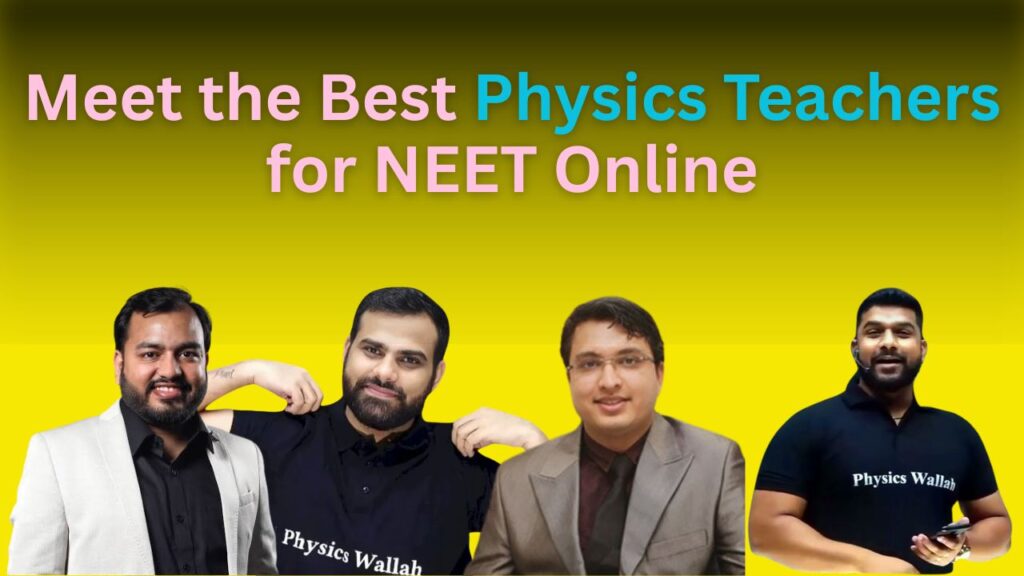
Meet the Best Physics Teacher for NEET Online – Top Choice for 2025

Best Physics Teacher for NEET Online

When Preparing for NEET exam you should know the core subjects to focus for scoring well. Physics is an important subject in this exam which is tough to prepare for, that’s where the top physics teacher steps in to get you prepared for the physics. You can prepare physics concepts easily when you Meet the Best Physics Teacher for NEET Online with their full details in this article.

NEET is an entrance exam for admission in medical college or university, students who have completed their 12th with PCB have already started preparing for this exam. To get admission in a government medical college, the cutoff marks is 686-144 for general and 143–113 for reserved category to qualify.  

Why Physics Matters in NEET

To enhance your power of conceptualization and analyzing ability, these factors are the reason for physics to be involved in the NEET examination. Most importantly, this section can get you high scores in exams because everyone can solve biology and chemistry sections but solving physics questions is what gets them low marks. To secure your seat in the medical college you must score high and for that you must prepare physics well.

Best Physics Teachers for NEET 2025

Alakh Pandey launched the app “PhysicsWallah” in 2020 which expanded rapidly with a 1 billion valuation. He also launched offline centers later in many states of India. The best ed-tech platform for preparation of competitive exams like JEE, NEET, and Other exams. 
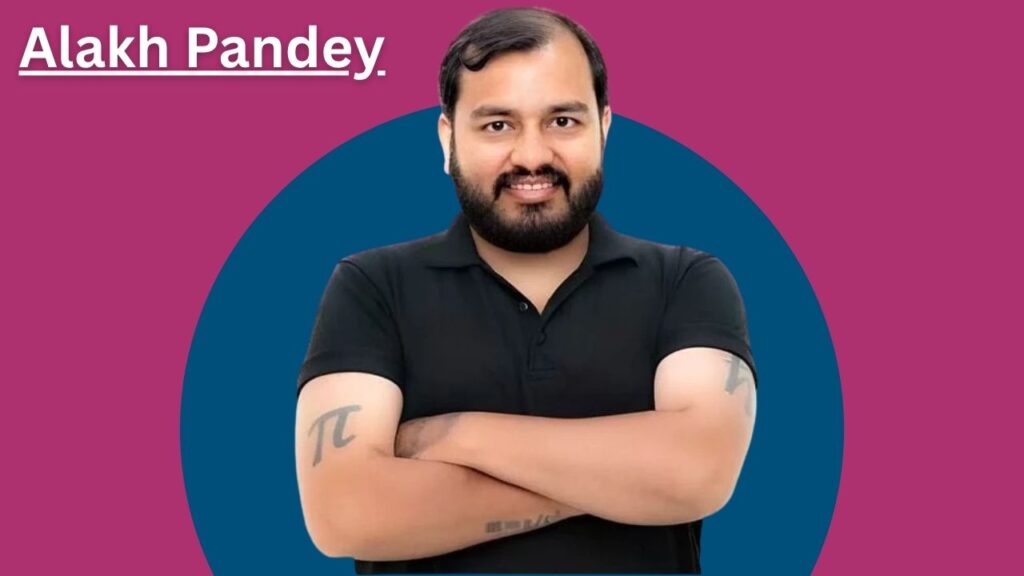
Alakh Pandey 

Youtube Channel: Click Here

APP: Download

His teaching style is unique, especially in physics. He simplifies the most complex concepts and provides effective exam strategies to help students prepare according to their exams. Millions of students are reaching out to him for their exam preparation. 

Nitin Vijay started teaching on Youtube in his youth to provide aspirants a top class education, making complex topics understandable, and encouraging students to learn. You can take his lectures on youtube free of cost and start preparation today.
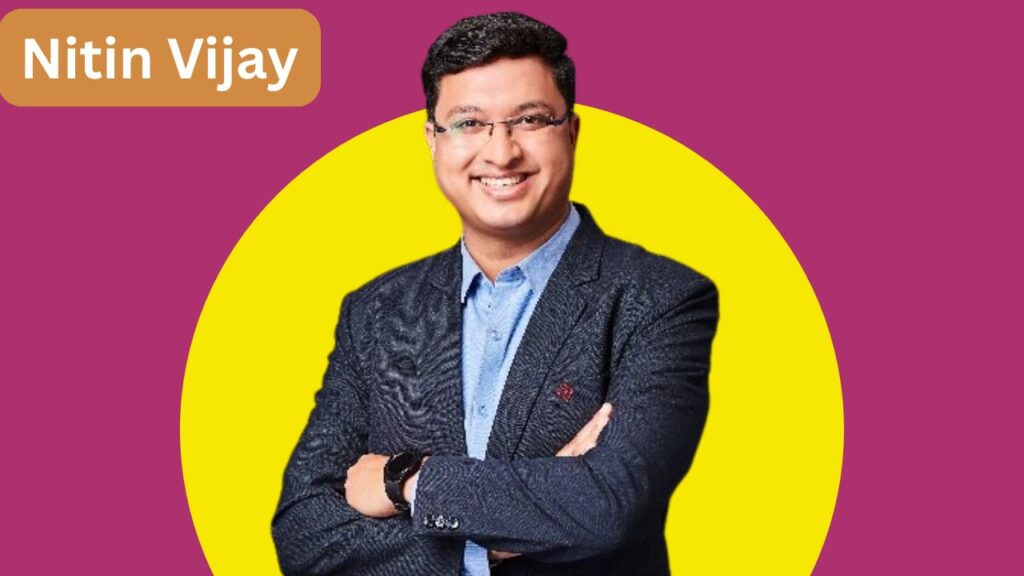
Nitin vijay

Youtube: Motion NEET

His teaching style is unique and understandable for the students who are beginners in physics. He encourages communication with students and challenges them to question. His motivational teaching has shown some lights in the TED talk too. 

He delivers interactive methods to enhance student’s understanding and participation. His tech-enable teaching practices makes him more unique in delivering complex concepts points for better understanding.

Youtube: Click Here

Students have shown the best results who have already taken lectures on youtube. He helps many students to beat competitive exams. Taking his Physics lecture for NEET is a good option for you.

Also Read: Top 10 Mobile Apps for Government Exam Preparation in 2025

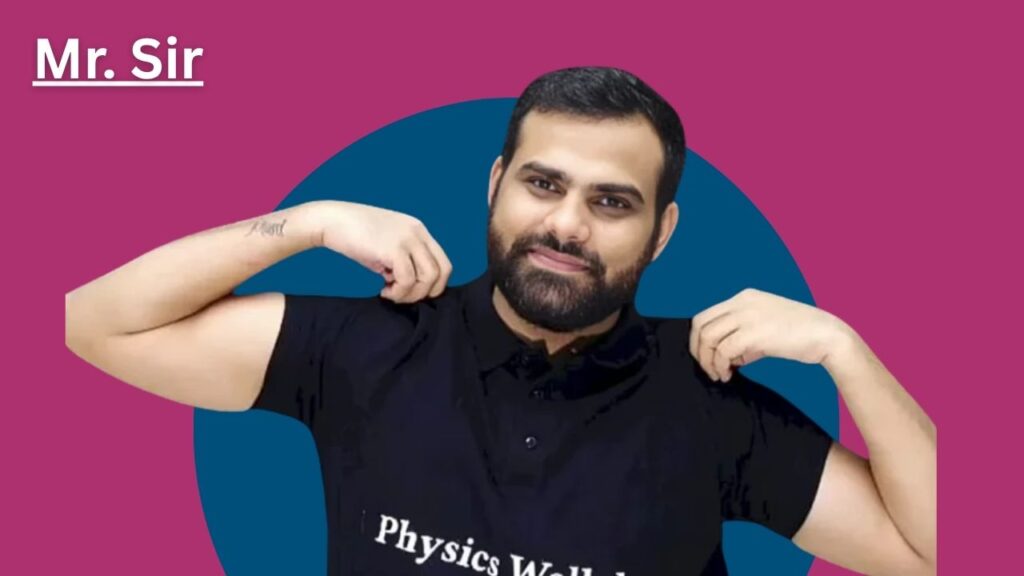
Mr. Sir

He is an experienced teacher for physics and provides students with the best education. He motivates students to learn and practice physics questions. Ideal for those who are looking for teaching who can guide you step-by-step on NEET examination. 
Youtube: Click Here

He shares tricks and tips for completing the course fast. Students who have no time left for long preparations can watch his lectures.

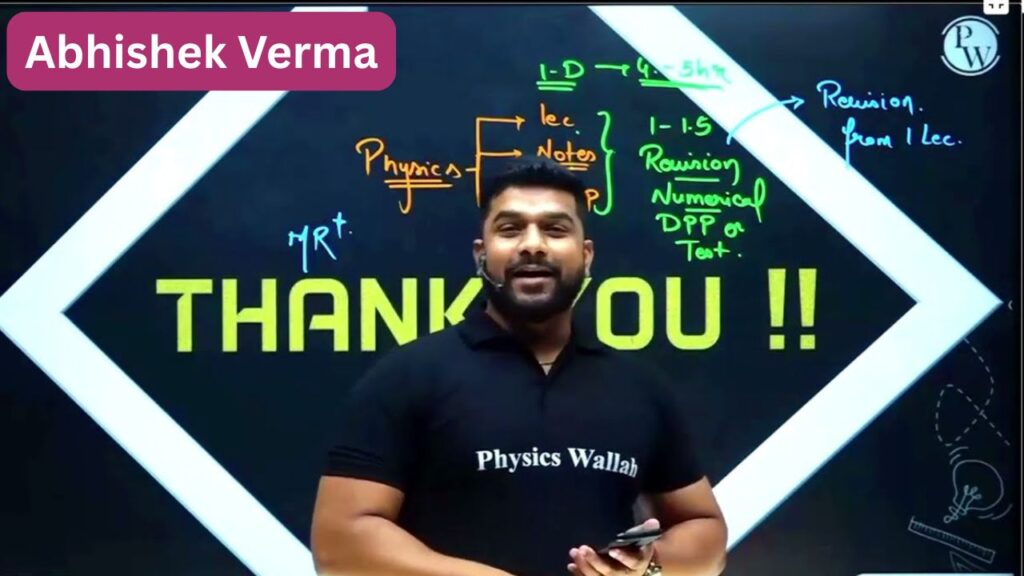
He is also one of the best Physics teachers who teaches many NEET students and helps them crack the exam. He explains more precisely to understand the concepts deeply.
Abhishek Verma 

Youtube: Click Here

His series of NEET crash courses on Youtube is an all-in-one series for preparation. Students who don’t want to get different sources for each concept can watch his lectures in one series that covers all the important topics.

He is the best teacher who encourages students for self-learning. It is good to make students understand that self-study makes them understand more deeply. He brings advanced concepts into his teaching and fostering critical thinking. 

Youtube: Click Here

You can complete you preparation on complex topics of physics with the help of Prof. Dhananjay Kumar. His simplicity in lectures can get you serious notes on important concepts. 

Read More 👉 Top 10 High Salary Courses After 12th Science Without NEET – No Medical Exam Needed

Criteria to Choose the Best Physics Teacher

It’s not just an easy answer to give because it all depends on you. Before starting to take any lecture or enrolling any platform, remember these points:

  • Methods and experience of teaching of that particular teacher.
  • Take his first class to know if he is able to help you understand those concepts.
  • Lectures should include doubt-solving sessions.
  • If you still get confused, check the student’s feedback online.

A Quick Comparison For Physics Teachers for NEET

TeacherPlatformTeaching HighlightIdeal For
Alakh PandeyPhysicsWallahClear concept explanationBeginners & revision seekers
Nitin VijayMotion NEETMotivating, engagingBuilding fundamentals
Er. PradeepYouTubeTech-based, interactiveVisual and practical learners
Prof. Dhananjay KumarYouTubeConceptual clarityStudents needing deep understanding
Mr. SirYouTubeStructured, tips-focusedQuick revision, last-minute prep
Abhishek VermaYouTubeCrash course expertAll-in-one revision

How Online Learning Platforms Aid NEET Preparation

  • Lectures are available all the time, you can study at your own pace.
  • You can take lessons from anywhere, no need to rush for the classes.
  • Recorded sessions will help you learn again if you are not able to understand at once. 
  • There are multiple choices in teachers.
  • Consistently practicing online mock tests can help you track your progress.

Conclusion

NEET students often get confused when they have to choose the right teacher, coaching or lectures to study. Physics is the toughest subject but with the right strategy and explanation, students can get ready for the exam with full preparation. I have prepared a list of Best Physics Teachers for NEET, you can check in this article. Whether you choose Alakh Pandey or Prof. Dhananjay Kumar, just makes sure which one’s teaching style is the most helpful for you to understand the concepts. It doesn’t matter if it has tons of views or not, what matters is being able to understand the topics.

Leave a Comment

Your email address will not be published. Required fields are marked *

BSc Medical Laboratory Technology (MLT): Course, Fees, Career & Scope in India

BSc Medical Laboratory Technology

Imagine being the silent crusader for every correct diagnosis, working your magic inside blood samples, body fluids and tissue slides to find secrets that physicians need to know to save lives. That is the magic of BSc Medical Laboratory Technology (MLT). If you are scientific, you love precise work, and want a solid and stable career in health care, but don’t want the frenetic pace of working directly with patients, this degree could be just right for you. 

In India, where healthcare is booming, MLT professionals are highly sought after. So, here we go through all you need to know to be able to dig in to this sleeper powerhouse discipline. 

What is BSc Medical Laboratory Technology (MLT)?

The BSc MLT course is basically a three years long undergraduate course (six-month internship in some colleges) which is designed to make you a medical lab technologist. You’ll learn the art and science of analyzing body fluids, tissues, cells and microbes in clinical laboratories. Consider it detective work in a white coat: gathering samples, running tests on machines such as microscopes, analyzers and polymerase chain reaction (PCR) units, and producing results that influence treatments for everything from infections to cancer. 

The curriculum is a mix of biology, chemistry and technology. 

  • Year 1 involves Fundamentals such as human anatomy, physiology and biochemistry. 
  • Clinical microbiology, hematology (study of blood), and immunology by year 2. 
  • The final year is a rush with supplements such as histopathology (study of tissues), blood banking and molecular diagnostics. Practical laboratory sessions constitute 40-50 per cent of the course, so prepare for a lot of practicals. 
  • The best of institutions like AIIMS Delhi, Manipal University, Jipmer Pondicherry provide it with world class facilities, often including certification in lab automation. 

Who Can Jump In? Eligibility and Admission Scoop

You are considered eligible if you have obtained at least 50% in Physics, Chemistry, and Biology (PCB) from a recognized board – relaxed to 45% for reserved categories. Most private colleges don’t require NEET, while government ones may require state-level exams like KCET or MHT-CET. Most private unis are merit-based or have their own tests.

The admission season is followed after 12th boards, May-July. Apply online on the college portals– application fees range between Rs 500 to Rs 2000. Pro tip: Create a beachhead profile with science projects or volunteer work in labs; it shines in interviews. 

Fees, Scholarships, and ROI

  • Cheap but really beneficial—that’s BSc MLT for you. The fee of government colleges range around 10,000–50,000 per year, so the total fees of the course would be approximately 30,000 — 1.5 lakh.
  • The cost of private colleges is high and ranges between 1–3 lakh per year (rough 3–9 lakh in total). 4-5 lakhs can be charged by the top class institutes such as Symbiosis, Pune. In the range of ₹50,000 — ₹1 lakh per annum will be your hostel and books additional cost. 
  • Scholarships reduce the burden: Post-Matric for SC/ST from the State and Central government, merit scholarships from AICTE. 
  • Most of the institutions have 20-50% waivers for the toppers. ROI is stellar, starting salary ₹3-6 LPA, scaling to ₹8-15 LPA in 5 years. Compare that with the cost of the course, and it’s quite a smart bet. 

Skills You’ll Gain From BSc MLT Course 

This isn’t just book learning, it’s skill-building gold. You’ll learn phlebotomy (blood drawing), use high-tech equipment such as flow cytometers, learn quality control and even bioinformatics for genetic testing. 

Soft skills: Accuracy, good attention to detail, and ethics required—there is potential for misdiagnosis if a single mistake is made. 

A day in the life: Mornings are often spent collecting samples, then running tests such as CBC, ELISA, and cultures. The position also requires calibration of instruments and result reporting via LIS software. 

Hospital shifts can be demanding (8–12 hours), whereas diagnostic labs usually provide ordinary 9 to 5 hours office-based positions. 

Read More 👉 CTET Exam 2026: Check Exam City, Notice, Exam Dates, Syllabus and Eligibility Information

Future Opportunities For Students

Graduates are not left in labs for eternity. 70% of alumni are hired as lab techs or supervisors (₹25k-50k/month in the beginning) by hospitals (Apollo, Fortis). 

₹30k-60k work offer with diagnostics like Dr. Lal PathLabs or Metropolis. 

Government jobs through ssc, esic or state health services are also there with a good package of ₹35k+ along with benefits, crack exams ssc, junior paramedical.

So what about Advanced options? 

You may select from choices such as MSc MLT, PGDM in Hospital Management, or a PG Diploma in Cytotechnology, Histopathology or Forensics. A Salary of ₹10–20 LPA is possible. On the international front, the US and Canada are among the top seekers of certified MLTs. Professionals are able to make $50,000 or more per year by passing the ASCP exams. 

Career RoleAvg Starting Salary (₹ LPA)Top Employers
Lab Technician3-5Hospitals, Clinics
Medical Lab Supervisor5-8Diagnostic Chains
Blood Bank Technologist4-6Red Cross, Govt Hospitals
Research Associate4-7ICMR, Pharma Cos
Quality Control Analyst5-9Biotech Firms

Challenges and the Bright Side

There are also challenges including long hours, exposure to biohazards (so the right PPE is the must), and having to keep pace with new technology, including AI-driven diagnostics. But the advantages are clearly more than the disadvantages. 

The fact that healthcare jobs are expanding rapidly (at about 15% each year, according to NITI Aayog), private labs provide a superior work-life balance, and the soft assurance that your work really helps people, even if it’s behind the curtains. 

Conclusion

In a society that worships doctors and nurses, BSc Medical Laboratory Technology (MLT) is the silent force behind 70% of medical decisions. If you are detail oriented, love science, and want to future proof your career, then go for it. India’s healthcare industry requires an additional two million laboratory professionals by the year 2030, your spot awaits.

Check NAAC-accredited colleges and start prepping. This degree is more than just a credential, it is the key to a fulfilling life that is recession-proof in healthcare. 

Leave a Comment

Your email address will not be published. Required fields are marked *

Top BCA Colleges in Noida with Fees, Courses & Admission Details 2025

Bachelor of Computer Applications is a great option for a career in the IT and software Industry. Many students get confused while choosing the top college for their undergraduate program, especially tech courses. A guide for BCA Colleges in Noida with Fee Structure will help them choose the right one. Not every college provides practical training, strong curriculum, and industry exposure which helps students to be prepared for the job in top tech companies like Amazon, Google, Infosys, Microsoft, HCL, TCS, and many others. 

BCA is good for maintaining skills in coding, database management, web dev, and data structures and algorithms. So, if you are interested in any of these then you can choose this course but with the right college, you can get real knowledge and practice to acquire those skills.

There are no advantages to just having a degree, placement also matters when paying fees for your studies, studying hard to get a strong output then a good college matters the most.

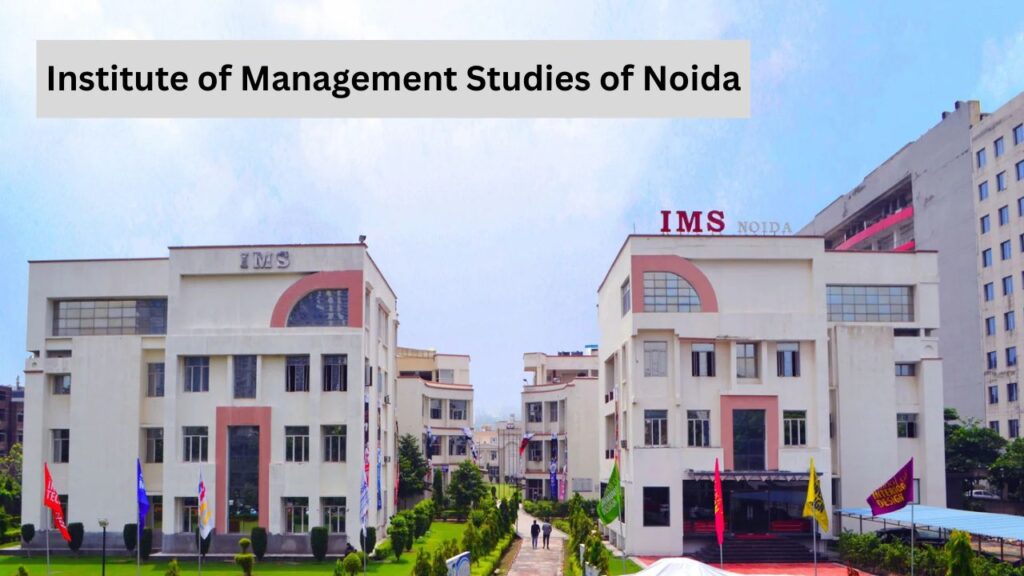
Institute of Management Studies of Noida

IMS is a private institute that offers various undergraduate and postgraduate courses. The BCA curriculum is as good as AKTU’s. If you have thought about choosing a career in tech then BCA is a good option. This college focuses on practical learning that helps students to polish their skills to be industry-ready. Industry exposure provides them with ideas of real-world projects and how to implement technical concepts to find solutions.

Admissions

For admission in BCA, this college selects students based on the Joint Entrance Exam. Students who are interested in the tech world and do not prefer B.Tech can take admission here.

Placements

IMS Noida is the top college for UG programs as it has a well-maintained record of placement and connection to industries. Students can get job opportunities after BCA and it is also ranked 2nd for offering BCA in Uttar Pradesh.

Fee

One-year fee for BCA in IMS is around Rs. 1.65 Lakhs. Candidates who can afford the fee expense can consider this college for BCA as it is best for that. 

Jaypee Institute of Information Technology University

JIIT University is a great choice for students who want to join tech professionals. It offers world-class education and is recognized by the UGC. If you don’t want just a degree but also developed tech skills for industry purposes then BCA from this college is the right option for you. Computer science is a flagship department that focuses on advanced concepts such as AI, ML, Cloud Computing, and IoT.

Admission

This high-facility college selects its students through entrance exams and their 12th-class marks. Students can get their admission in this college if they have met the eligibility criteria of 60% merit score.

Placements

JIIT offers various opportunities to grow a career in the tech field. Many top tech companies are recruiting candidates from this college and offer a package of around 7 lakhs.

Fee

BCA fee is around 1.57 Lakhs for one year. Meanwhile, the B.Tech fee is double that of the BCA fee. So, students who want to study in this college but B.Tech is too expensive, consider BCA as a good option. 

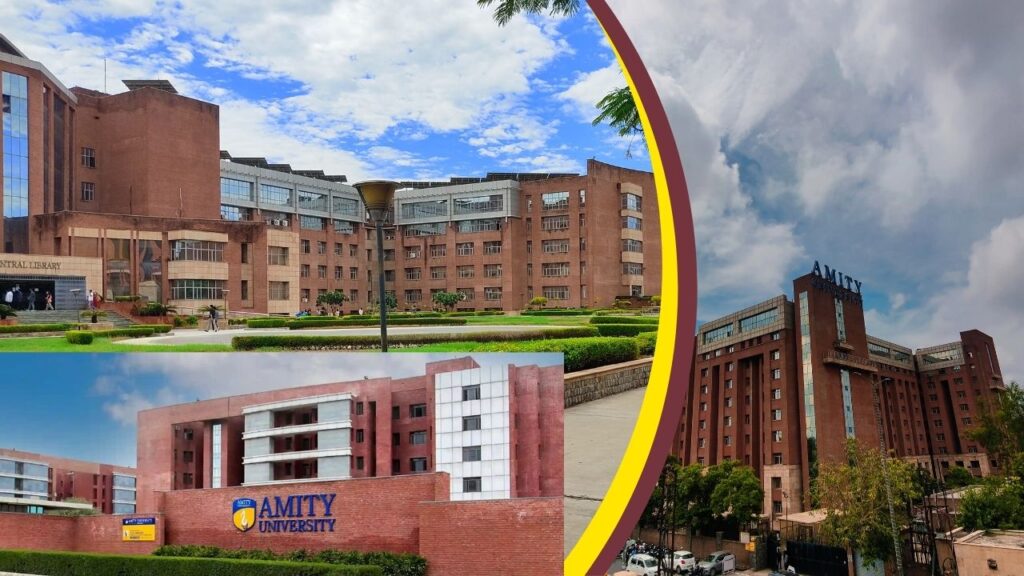
Amity University Noida

After 12th with science, students must get confused about where they should take admission for BCA. Amity University is a top university in Noida that offers high-tech labs, emphasizes innovation, and industry exposure. These are all best for the students who are learning to work in tech industries. College’s engineering programs accredited by IET. The top-ranked institution is a good option for BCA.

Admission

You want admission in air-conditioned stylish classrooms with a huge library then apply now. Admission in Amity University is based on merit of 12th.

Placement

Amity offers a strong alumni network and maintains good connections with the world leaders, giving students a chance to interact with them. MNCs like Wipro, TCS, and Accenture are recruiting from this campus. 

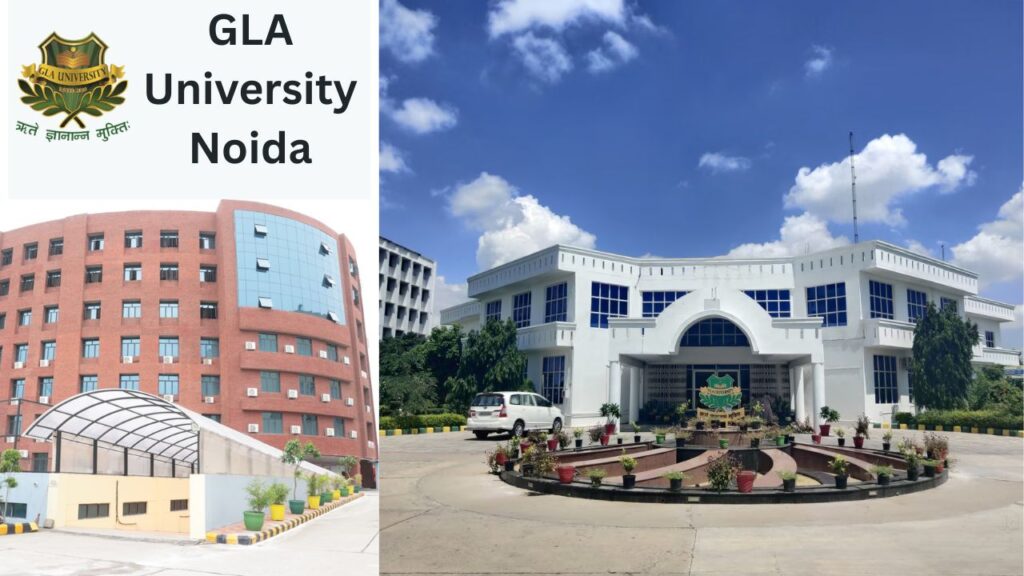
GLA University Noida

Focuses on advanced computer science and IT concepts to provide its students with great knowledge. They can get knowledge and skills required for the top industry placements. 

Admission

Must have 12th class marksheet with 50% minimum score. The GLA entrance test is required for the BCA course.

Placement

The placement record is high with an average package of 7 LPA. Students can get a lot of opportunities as they are trained for industry-ready. Top recruiters are IBM, Infosys, HCL, and many more. You can get a chance to work abroad with a high package.

Fee

BCA total fee is nearly Rs. 4.8 lakhs. It’s half of the B.Tech fee of this college.

Read More:- Top 10 Best Medical Colleges in India with Low Fees [2025 List]

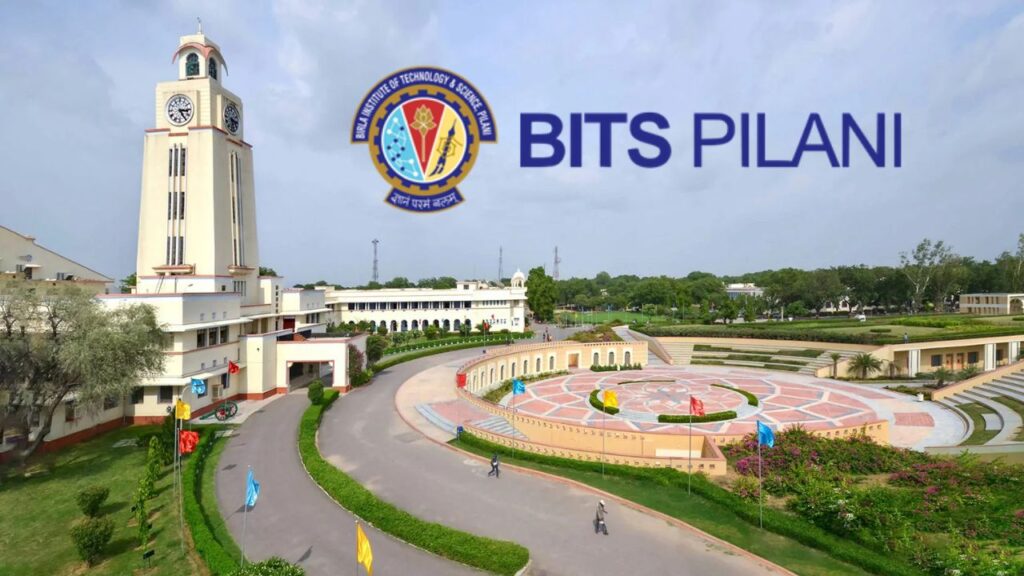
Birla Institute of Technology 

Bachelor of Computer Science is a great option for students who are interested in computer science and information technology. To work in this field requires enhanced skills and real knowledge of coding, networking, and media. 

BITS Pilani

Admission

Admission is based on your 12th standard marks. Minimum 50% score from a recognized university by the student is required for the admission.

Placement

Placement chances are good, many Indian and global companies are recruiting from here. Average package is around 9.06 LPA for BCA students by companies like HCL, Yamaha, and others.

Fee

BCA fee is around Rs. 4.56 lakhs. It offers the best facilities and strong faculty support for students.

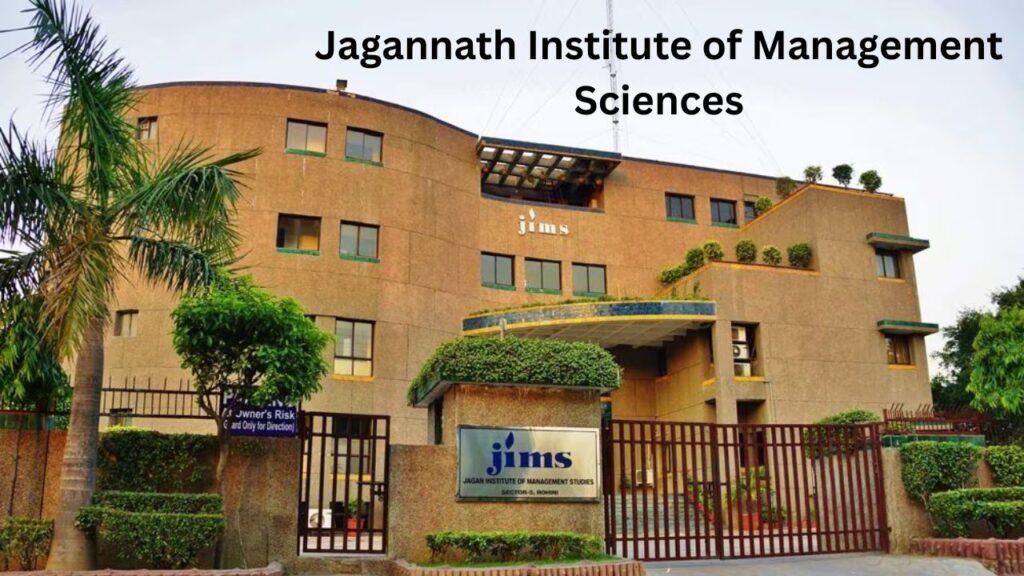
Jagannath Institute of Management Sciences

It offers industry-oriented curriculum to its students to improve their ability to provide innovative solutions to real-world problems. BCA is not just theory-based programme as it is related to tech then practical assignment is necessary for the students. 

Admission

Apply now for admission in BCA through entrance test (JET) for BCA. Faculty provides full support and strong concepts in their curriculum. The decision for admission to this college is a great choice.

Placement

Strong placement record is proof that most students get a job in top companies that offer great salary packages. They can get the highest salary package of up to 9 LPA.

Fee

BCA fee is Rs 96,000 approximately. This is a one-year fee that offers a modern classroom, WiFi, hostel, and library. You can check the exact fee amount on their official website.

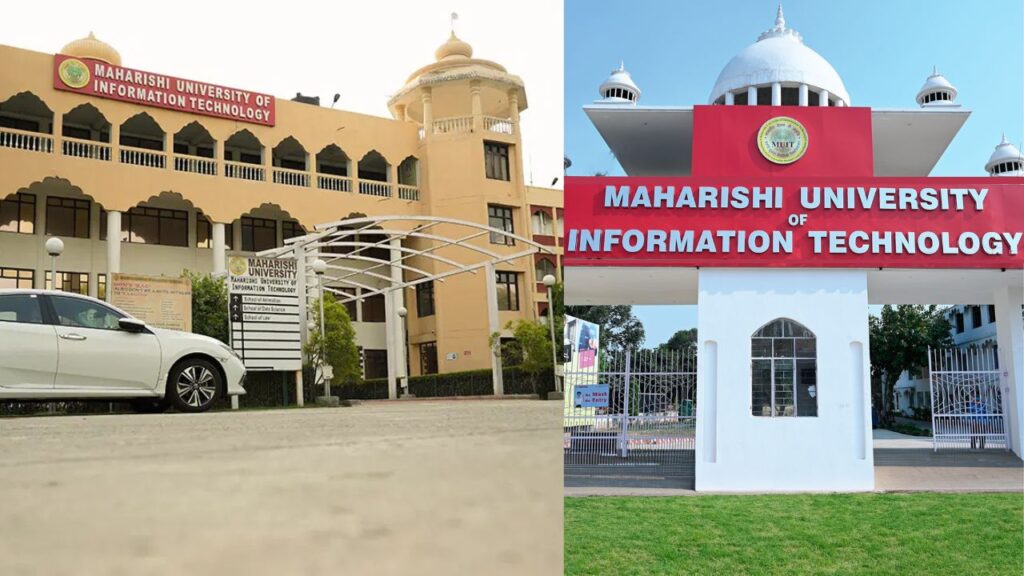
Maharishi University of Information Technology

This is a private university with many undergraduate and postgraduate programs. This university offers BCA programs with a strong curriculum, well-equipped labs, experienced faculty, and internship programs. 

Admission

Students can get admission to this college based on their merit in 12th class. Apply online on their official website in the Computer Science Department. Check the admission dates then apply.

Placement

They offer great support in industry exposure to give students a chance to understand concepts of advanced technologies in companies. No worries about placement because the top tech companies like Intel, Mahindra, and Dell are recruiting from this college.

Fee

Maharishi University of Information Technology offers BCA around Rs. 80,000. It is a yearly fee for this course but some students can afford it.

Conclusion

If you are looking for an undergraduate program in computer science then these Top BCA Colleges in Noida with Fees, placement & Admission Details can help you choose the right college. This can be overwhelming when all top colleges are best in your interest, you can select one by aligning them with your budget, location preference, and faculty response. 

Leave a Comment

Your email address will not be published. Required fields are marked *

UPSC CDS 1 Recruitment 2026 Notification, Eligibility, Application Dates Guide

UPSC CDS 1 Recruitment 2026

The Union Public Service Commission (UPSC) has notified the Combined Defence Services (CDS) Examination 1 for the year 2026. This recruitment is for a number of academies that are the Indian Military Academy (IMA), Indian Naval Academy, Air Force Academy and Officer Training Academy and the number of vacancies is 450+.

The application form filling process will start from 10th/December/2025 and the last date to apply for the UPSC CDS 1 2025 will be 30th/December/2025. Interested and Eligible candidates are advised to read the official notification before apply online for understand the eligibility, Application Fee, Age Limit, Salary, Selection Process before applying for it.

Candidates need to visit the UPSC official website for detailed information and application. Before the time ends, you need to make sure that each one of the necessary information is filled accurately. 

Follow These Dates To Apply

Application Start10/December/2025
Last Date For Application30/December/2025
Fee Payment last date30/December/2025
Correction DateUpdate Soon
Admit Card DateUpdate Later
Exam Date12/April/2026

UPSC CDS 1 Age Limit & Application Fee

CategoryAge LimitPosts Expected
IMA & INA 19 — 24 years450+
Air Force 20 —- 24 years
OTA 19 —- 25 years
Gen/ OBC/ EWS₹200
SC/ ST0

UPSC CDS 1 Vacancy & Educational Qualification

The courtesy details of UPSC CDS 1 Eligibility 2025 are mentioned below:

  1. Indian Military Academy (IMA): The candidate will have to hold a Bachelor’s Degree in any discipline/stream from any recognized University/Institution in India.
  2. Indian Naval Academy: The candidate must hold a Bachelor’s Degree in Engineering or equivalent from a recognized university/institute in India.
  3. Air Force Academy: Candidate should have passed 10+2 with Physics and Mathematics in any stream from a recognized board or have a Bachelor of Engineering/Bachelor of Technology or similar qualification from recognized university.
  4. Officer Training Academy: The Candidate must have a Bachelor’s degree in any Discipline/stream from any recognized university or Institution in India.

For more and latest updates you can go through the official UPSC CDS 1 Recruitment 2025 Exam Notification. 

Read More 👉 Railway Protection Force Constable: Salary, Selection, and Exam Details – complete guide

Salary & Allowances

The candidate can earn up to Rs 1,77,500 per month with allowances as per government norms. The starting salary can be less with Rs 56,100 for entry level candidates.

Guide to Apply UPSC CDS 1 Online

How to Apply for UPSC CDS 1 Recruitment 2025: Apply Online through the official website of UPSC.

1. Know Details from UPSC CDS 1 Notification 2025 PDF.

2. Click on the “apply online” link or go to the Official UPSC website: upsc.gov.in.

3. Fill UPSC CDS 1 2025 Online Application Form.

4. Upload all the documents as per the notification.

5. Remit the requisite application fee by one of the modes available.

6. Take a print out of the application form once it is filled for your records. 

Apply OnlineLink Activate Soon
Download NotificationLink Activate Soon
Official WebsiteClick here

Leave a Comment

Your email address will not be published. Required fields are marked *

JEECUP Counselling 2025 Live: Fill Round 2 Choices Before Deadline – Don’t Miss Your Chance!

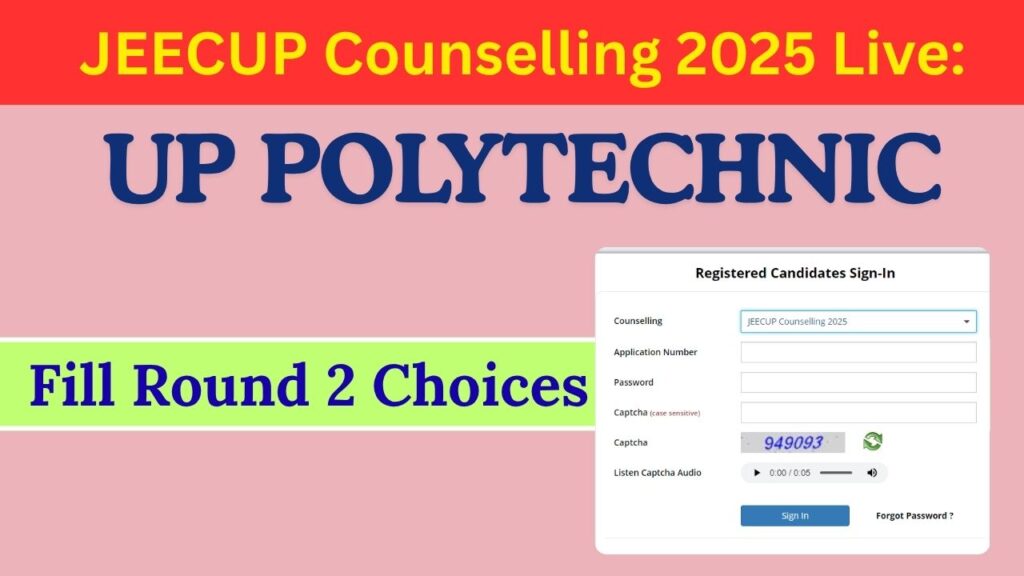
JEECUP Counselling 2025: Round 2 Choice Filling Open Now

JEECUP Counselling 2025 Live! If you want to secure a seat in Diploma courses, fill your choice. Please ensure that you fill in your preferred choice before the last date. UP Polytechnic JEECUP 2025 choice filling starts on 9 July 2025; you must check the official website for more detailed information. You can find the link for the official website here.

Important Dates for UP Polytechnic JEECUP 2025 

Choice Filling StartJuly/9/2025
Last Date to Fill ChoicesJuly/ 11/ 2025
Seat Allotment DeclarationJuly/ 12/ 2025
Freeze Option & Fee Payment13 to 15 July, 2025
Document Verification at Help CentersJuly 14–16, 2025

Read More 👉 UP DElEd Result 2025 Declared: Check Your 2nd, 4th Semester Result at updeled.gov.in with Direct Link

How to Fill Round 2 Choices

  1. For JEECUP 2025 choice filling round 2, visit the official website.
  2. Log in with the registration number and password.
  3. Navigate the “Choice Filling for Round 2” from the ‘candidates activity board’ section OR click on the direct link from here.
  4. After filling in the choices you want, you can review them and click on submit.
  5. Download it for the printout.

Important tips for JEECUP 2025 

  • Candidates must fill choices before 11 July 2025. Fill in as many as you can but in order to improve your chances.
  • Eligible candidates can go for the counselling. Candidates are eligible after JEECUP qualified.
  • Candidates can pay the registration fee of Rs. 250/- and the seat acceptance fee of Rs. 3000/- until 15 July 2025.
Important Links
Download Counselling DateClick Here
Counselling InstructionsClick Here
Round 2 Choice fillingClick Here
Official WebsiteClick Here

Leave a Comment

Your email address will not be published. Required fields are marked *

How to Crack State PSC Exams in First Attempt: Strategy & Resources

Govt. jobs are undoubtedly one of the most safe and respected career options in India and passing the State Public Service Commission (PSC) exam in first attempt is a dream for many aspirants. As the competition is rising and the syllabus is vast, it sometimes feels like a difficult mountain to scale. But, with the right approach, intelligent study techniques, and diligent efforts, passing the exam is not an impossible dream. The crux is to understand the syllabus in depth, follow the right resources and adhere to a disciplined schedule that would cover both prelims & mains preparation.

Quick Thoughts Gathering to Begin With

  1. Download official syllabus + all past papers of 8 years.
  2. Make a list of books you own/need (start with NCERTs).
  3. Select optional subject.
  4. Put together a weekly schedule you can live with.
  5. Create a one-pager daily current affairs file.
  6. Enroll in test series / good coaching (online/offline) and commit to weekly mocks.
  7. Start your NCERTs (goal: 2–3 chapters/day).

Big-picture study strategy (what to study & why)

Build bedrock knowledge first: NCERTs (6–12) for History, Geography, Economics, and Pol. These give a clean conceptual base.

Proceed to standard books for each subject (more below). Read for understanding, not rote.

Current affairs daily — newspaper + short notes. Link events to static syllabus.

Notes + revision cycle — Make short revision notes (1–2 pages) per topic; revise them frequently.

Practice smartly: MCQs for prelims + answer writing under time pressure for mains. Mains wins jobs — practice answer structure & linking facts to syllabus keywords.

Mocks & feedback: Do full length mocks and get answers evaluated (peer/mentor) and you improve your answer style and technique of scoring.

Recommended core resources (common, high-utility) 

(You will need to add in your state-specific books / local history that you must have from your state board / PSC Recommended Readings)

  1. Cover Basics 

NCERTs 6–12 — History, Geography, Pol. Science, Economics (start here).

Indian Polity — M. Laxmikanth (efficient + concise for governance & state-centred comparative questions).

Modern Indian History — Spectrum’s A Brief History of Modern India / Bipin Chandra (for depth).

Indian Economy — Ramesh Singh or any good concise economy book, supplemented with RBI / Economic Survey summaries.

Geography — Certificate Physical & Human Geography (G.C. Leong) or equivalent concise books.

Environment & Ecology — normal environment compendium/ class notes, track Recent Events.

State-specific history & polity — whatever books your PSC cites, in addition to local gazetteers and state government documents.

  1. Current affairs & general reading

One daily national newspaper (The Hindu / Indian Express) or their summaries. Government releases: Press Information Bureau (PIB), state government portals, official reports (for schemes and facts). Monthly magazines or current affairs compendiums (good for revision).

  1. Practice

Collection of previous years’ PSC papers (must have). A good questionbank or mock test series (free/paid) for practicing in time bound manner. Answer writing notebooks (keep one for mains answers). 

Sample schedules — choose according to the time you have

If you have 12 months

1st to 4th month: complete NCERTs + standard books for GS I–III fundamentals; decide optional & finish fundamentals.

Months 5 to 8: Complete other standard books + begin consolidating notes; begin on PYQs.

9th and 10th months: High-intensity test series – full-length prelim mock test every week; augments revision of weak topics.

Months 11–12: Final run through + daily PYQs + last-mile current affairs. Mains answer practice (if prelim cleared).

If you have 6 months

1st month: Preparation for NCERTs + syllabus mapping + optional selection.

2nd to 4th month: Read standard books, prepare short notes, solve MCQs and PYQs.

Month 5: Rigorous mock tests (prelim-benchmarked); Time management to be calibrated.

Month 6: Re-visit everything + frequent mock tests + current affairs wrap-up.

If you have three months

  • Fast NCERT reading + priority standard book chapters on some important subjects.
  • Study 7-10 hours a day: current affairs in the morning, theory in bulk in mid-day, MCQs + past papers in the evening.
  • Mocks repeatedly at intervals of 3-4 days Analyze each. 

Prelims strategy (objective test)

A good preparation strategy would be to start with the NCERTs along with one standard book per subject to establish a strong base. While learning content, same importance should be given to speed and accuracy by daily practicing MCQs gradually going to 500 – 1000 in a week. To gain maximum returns in minimum time, concentrate on high-yield topics such as Polity, the Constitution, Economy (primarily basic indices), Geography (with emphasis on map work), Environment, and Current Affairs. The Previous Year Questions (PYQs should be backbone of your preparation as it helps you to identify the areas/themes which the exam repeatedly tests). 

Also Read : Top 10 List of Exams Conducted by UPSC After Graduation in 2025

Mains strategy (subjective / descriptive)

Start writing answers from the early days of preparation, while upgrading yourself with the ability to write a good structured answer that has an introduction, a well-structured body (with headings or bullet points, if necessary) and a brief conclusion or way forward. Static knowledge and linking current affairs with theoretical knowledge need to be a part of answers as they give depth and relevance to answers. At the mid-stage of your preparation, doing a full answer paper every week – both essays and GS papers — is useful in developing regularity and you can increase the frequency as the exam comes closer. Regular assessment or peer review also is necessary, as it improves presentation as well as the density of content, leading to more effective answers. 

Interview / personality test

Prepare short biographical stories related to: accomplishments, academic projects, work experience and expertise in optional subjects. Stay informed on regional issues and national affairs. Conduct mock interviews with mentors or peers, concentrate on clear communication, serenity, and concise responses. 

Common Mistakes to Avoid

  • Learning everything superficially diminishes its utility; depth is much more valuable than breadth across different fields at surface level isn’t very rewarding.
  • Disregarding previous years’ papers is the biggest blunder as these papers bring out the themes that repeat, the patterns of questions and the areas to be concentrated.
  • Not timing yourself while you practise MCQs or while writing answers results in bad speed and poor accuracy in the exam.
  • Too many resources create noise and confusion, while focusing one’s attention on too few resources creates blind spots. A small set of high quality, reliable resources is the best bet for clarity and retention.
  • Avoiding regular revision destroys the power of retention; one should revise systematically and at frequenter intervals to be able to recite confidently and be assured of long term recall. 

Conclusion

How to Study Smart for First Attempt State PSC (Public Service Commission) Exam It is not about studying for countless hours, but it is about studying smart by keeping focus and being consistent. This trip requires a very clear mind, discipline, and a problem-solving attitude. Candidates with the right resources and guidance, along with consistent practice and revision, can not only cram for the exam but gain the confidence to ace at the Interview round. Wait for it… Success in the competitive exam is for those who start early, prepare strategically and have a firm belief till last that they will pass the exam. 

Leave a Comment

Your email address will not be published. Required fields are marked *

Scroll to Top