RRB Paramedical Staff Recruitment 2026: Apply Now For Railway Health Sector

RRB Paramedical Staff

If you’re a B.Sc nursing graduate or a diploma holder in pharmacy, searching for a good salary job will end here. Application for the RRB Paramedical Staff 2026 closes on 14 October 2026 so don’t waste time and fill the form. This is a single-stage railway health-sector recruitment with no interview, and the application window is nearly shut. 

RRB Paramedical Staff 2026 Dates 

EventDate
Indicative notice in Employment News12 September 2026
Online application start15 September 2026
Last date to apply online14 October 2026 (11:59 PM)
Last date for application fee payment16 October 2026
Application correction/modification window17–26 October 2026
Scribe details submission window27–31 October 2026
CBT exam dateTo be announced
Admit cardBefore the exam; expected around 4 days prior
ResultTo be announced

Don’t rely on the later date. Pay today, and check the exact deadline on your regional RRB website. Eligible scribe candidates have 27 to 31 October to submit their scribe details. While the CBT date has not been announced yet.

How Many Vacancies Are There?

There are a total 590 vacancies for RRB Paramedical Staff 2026 which is distributed across different positions and responsibilities. Pick your posts according to your interest and eligibility not on the number of vacancies.

PostVacancies
Nursing Superintendent365
Pharmacist (Entry Grade)118
Health & Malaria Inspector Grade II43
Lab Assistant Grade II31
Radiographer / X-Ray Technician25
ECG Technician4
Optometrist2
Dialysis Technician1
Audiologist & Speech Therapist1
Total590

Eligibility, Age Limit and Pay by Post

Qualifications vary by post. A Pharmacist needs a D.Pharm with registration under the Pharmacy Act. A Lab Assistant Grade II needs Class 12 science plus DMLT. 

If candidates have a B.Sc degree with Chemistry as a subject and a one year diploma of Health/Sanitary Inspector then apply for Health and Malaria Inspector. So the education decides your future and is going to apply here. 

The most high-paying job is the Nursing Superintendent post which requires B.Sc in Nursing. The notification may allow a diploma route for nursing, so read the post-wise clause before assuming either way.

Age is counted as on 1 January 2027. The initial pay and age limits for the main posts are below.

PostPay LevelInitial PayAge (as on 01.01.2027)
Nursing Superintendent7₹44,90020–40
Health & Malaria Inspector Gr. II6₹35,40018–33
Pharmacist (Entry Grade)5₹29,20020–35
Radiographer X-Ray Technician5₹29,20019–33
ECG Technician4₹25,50018–33
Lab Assistant Gr. II3₹21,70018–33

SC and ST candidates get 5 extra years and OBC (non-creamy layer) candidates get 3. Reserved-category candidates applying against unreserved vacancies get no relaxation. DA, HRA and other allowances come on top under railway rules, so the in-hand figure will be higher.

Apply Now: RRB Station Master Recruitment 2026

Application Fee and Refund

General, OBC and EWS candidates pay ₹500, of which ₹400 is refunded after appearing in the CBT. SC, ST, Ex-Servicemen, PwBD, female, transgender, minority and EBC candidates pay ₹250, fully refunded after appearing. The refund is paid only if you sit the exam. A no-show forfeits it.

Selection Process and Exam Pattern

Selection is a single CBT followed by document verification and a medical examination, with no interview. The CBT has sections on professional ability, general arithmetic, general intelligence and reasoning, and general science and general awareness.

The paper has 100 questions in 90 minutes with one-third negative marking. No section-wise question split, but check the CEN PDF before you plan your preparation around it.

One Prep Tip That Matters

Treat your education as a main source of scoring in your respective field but don’t ignore the general sections. Skip the questions that you are not sure about because there is a negative marking and it costs you a lot.

Prepare your core topics in the post you are going to apply for. Then add timed mocks for arithmetic and reasoning, where most candidates lose marks they could have kept.

Conclusion

If you hold a B.Sc in Nursing, the Nursing Superintendent post has the highest pay (Level 7, ₹44,900) and by far the most seats, so it offers the best odds. A pharmacy diploma holder should go for Pharmacist, with 118 seats at Level 5. Candidates with DMLT or Class 12 science can aim for Lab Assistant, but with only 31 seats, expect heavy competition.

If you qualify for more than one post, the form asks you to pick your preferred RRB and post preference order, so rank them by pay level and seat count, not by what looks easiest. If you haven’t applied yet, do it before midnight tonight.


Leave a Comment

Your email address will not be published. Required fields are marked *

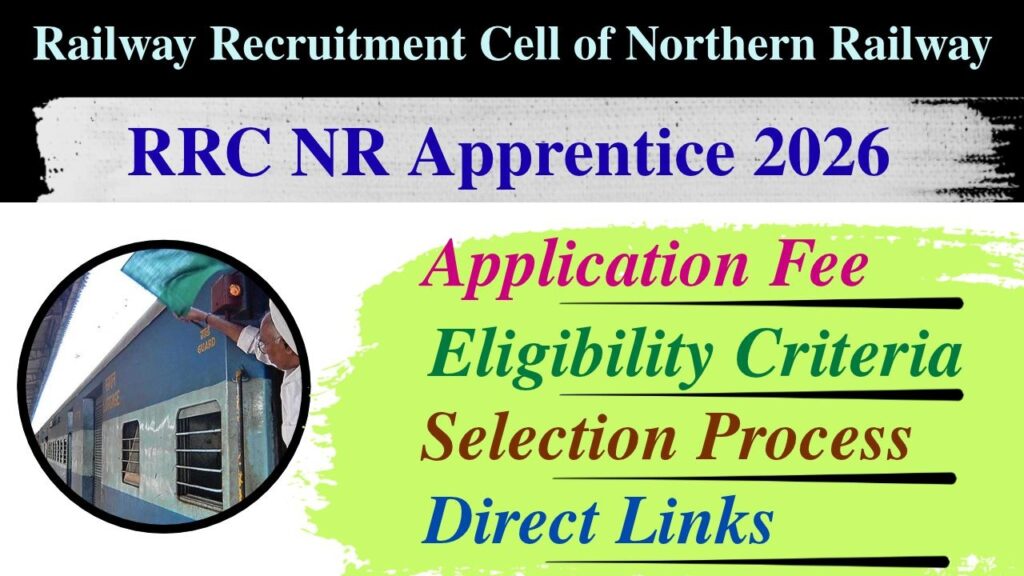
RRC NR Apprentice 2026: 4,651 Vacancies To Apply Before 11 December

RRC NR Apprentice

Having completed 10th and an ITI and awaiting a railway gate to open – the RRC NR Apprentice programme is that gate. The Railway Recruitment Cell of Northern Railway has released 4,651 Act Apprentice trainee positions for 2026/27. Applications can be made between 11th November and 11th December 2026. Notification RRC/NR/03/2026/Act Apprentice was made on 6 th November 2026.

RRC NR Apprentice 2026: Key Dates and Vacancies

RRC Northern Railway has announced 4,651 apprentice training slots for 2026–27. Applications opened on November 11 and close on December 11, 2026, at 11:59 pm. 

EventDate
Notification issuedNovember 6, 2026
Online applications openedNovember 11, 2026
Last date to apply onlineDecember 11, 2026, at 11:59 pm
Last date for fee paymentDecember 11, 2026
Expected merit-list releaseFebruary 2027 — tentative
ClusterTraining slots
Lucknow1,525
Delhi1,312
Ambala979
Total across all six clusters4,651

RRC NR Apprentice 2026 Eligibility, Selection Process & Application Fee

Eligibility criteria:

Candidates should have passed class 10 (with at least 50% aggregate) and an ITI certificate which is recognised by NCVT/SCVT. Both should be passed by 6th November, 2026.

Age criterion :

Candidates should be minimum 15 years and less than 24 years as on 11th December, 2026. Category wise age relaxation will be applicable.

How selected?

Candidates will be selected on merit based on the average of percentages scored in class 10 and ITI. Both are weighted equally. There is no written test or personal interview.

Application charges:

Rs 100. SC, ST, PwBD and female candidates are exempted. The application can be made by clicking on the “Engagement of Act Apprentice” available on the official website.

There is neither examination nor viva. Assessment is made using your 10th and ITI percentages. For this reason, all marks are significant. Forms are not amendable following rejection.

There are two reasons for which forms are rejected. Firstly, if your chosen cluster/unit does not include your trade then your form will automatically be rejected and no money will be returned. Secondly, if forms contain different marks to those on your mark sheet then these will be rejected during verification. 

Whilst completing your form, ensure that your supporting information is available. This should include; a photograph, signature and thumb print, all in JPG format and between 10-50KB.

How To Apply For RRC NR Apprentice 2026 

  1. Click on ‘Engagement of Act Apprentice 2026’ from the RRCNR (rrcnr.org) website.
  2. Provide your name, date of birth, mobile telephone number and email address to set up an account. Login information will then be emailed and texted to you.
  3. Login and enter your personal, educational and ITI qualifications information.
  4. Scan/upload a photo, signature and thumbprint along with any necessary certificates; adhering to the format and size requirements detailed within the portal. Also, make any relevant application payment.
  5. Check that all information is correct. Submit your application no later than 11 th December 2026. Retain a copy of both your application and payment receipt for your own reference.

See Details 👉 UPSC NDA NA-I Examination: Notification, Eligibility, Vacancies and How to Apply

Conclusion

Open the official website, find a link and match your trade to a cluster’s slot list before you pay anything. If your trade has no slot in your preferred cluster, apply where it does. Don’t wait for the last week, because servers on closing days are unreliable.

RRC NR Apprentice 2026 Direct Links

PurposeLink
Official website and recruitment updatesRRC Northern Railway 
Official notification PDFDownload Apprentice 2026 notification 
Online application accessVisit RRC NR and select “Engagement of Act Apprentice” for 2026–27.

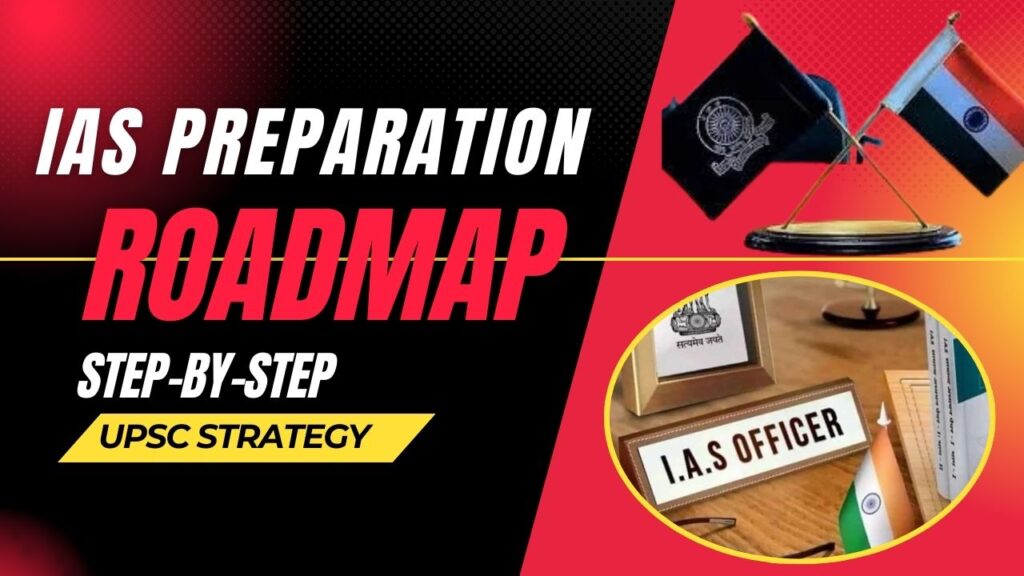
IAS Preparation Roadmap: Step-by-Step UPSC Strategy That Actually Works

IAS Preparation Roadmap

After deciding to become an IAS officer, you have scanned through the UPSC notification, go through IAS Preparation Roadmap, watched numerous toppers interviews on Youtube, and may have argued with your parents that “art degrees are a waste of time and civil service is the path for glory.” 

I imagine you must be very scared and excited and overwhelmed right now. That’s normal. The Union Public Service Commission (UPSC) exam is more than just an exam, it is a marathon that changes you. If you’re starting now for the 2026 cycle, you have something most aspirants do not: Time. 

But time has two edges. Three years ~ 30-36 months is enough to learn all of the syllabus, yet it’s enough to get measured by complacency, boredom, or swallowed up by the sea of study materials.

This is not some robotic strategy cooked up by an AI. This explores you assuming that you are a person who has bad days, gets distracted by Netflix, and sometimes you just want to sleep in. Let’s look into this guide to prepare accordingly.

Phase 1: The First 6 Months That Matter Most

Objective: Start with basic for foundation

It looks like a mountain when you begin the syllabus. Don’t try to climb it in a day.

1. Stop Collecting, Start Reading:

The biggest mistake most beginners make is the “Library Syndrome” – they get every stock book that is suggested on the market, 50 GB of PDFs, and take every test series. Stop. Not yet, you don’t need them.

In your first six months, your only friends are NCERTs. Read History, Geography, Polity, Science and Economy from Class 6 to Class 12. Because they give you the basic topics of UPSC. They build the narrative. Read them as a storybook not as a textbook. 

2. The Newspaper Habit:

Start reading in The Hindu, or in The Indian Express. You are not going to get it all on Day 1. You look up ‘international relations’ and find yourself bewildered. That’s okay. The point is not to remember — it’s to notice. Spend 45 minutes to an hour every day. This is not for the exam yet; it’s to train your mind to the world around you. 

3. Decode the Syllabus:

Print out the UPSC syllabus. Paste it on your wall. Read it every Sunday. Treat it like your Bible. Whenever you read an article in a newspaper, try to relate it to a topic in the syllabus. This “linking” game is the secret sauce of a topper. 

Phase 2:  Strengthening Your IAS Preparation (Months 7-12)

Objective: Going into more Knowledge from General to Specific Concepts.

Once the Phase 1 beginning is over, the business of beginning is beginning. It is at this point you move from a layman to an aspiring.

1. Standard Textbooks (the “mains” core):

Start with the regular reference books: Laxmikanth for Polity, Ramesh Singh for Economy and Spectrum for Modern Indian History. Read them slo­wly. Take notes. But here is the human tip: Don’t take notes just for the sake of taking notes. If you know a topic, just highlight it. Just write down what you need to remember. If your notes are just the book copied down, you are wasting time. 

2. Selecting Your Optional (The Big Decision):

You will have to choose your optional subject by the end of this year. This is crucial. Don’t take Sociology because your buddy took it. Go through the syllabus, go through with the questions from the last year and ask yourself a question “I am I able to stick to this for 3 years without thinking about pulling my hairs out?” If the answer is yes, go for it.

3. Begin the CSAT Practice:

Most people neglect their CSAT (Paper II) till a month before the exam. Don’t be that guy. You don’t need to prep hardcore, but work an hour a week on some basic math and reading puzzles. It keeps your mind sharp. 

Phase 3: The “Deep Dive” – Mains Orientation (Year 2)

Objective: Shifting From “What” to “Why” in and “How”.

Halfway through your second year (mid-2025) you will be finished with your static reading. Now you have to be a writer. UPSC Mains is not what you know; it’s how you put it.

1. Answer Writing:

Yes this is the scary part. You will write bad answers. Your handwriting might look messy. Any thoughts on this? Good. Start now. Join a test series or start self-evaluation. Choose 2-3 questions daily and write out. This exercises the muscle memory that you’ll need to write 4,000 words in three hours on the real exam.

2. Integrating Current Affairs:

So now your static knowledge (books) has to meet dynamic knowledge (current affairs). When a budget is announced, don’t just read the highlights. Read the fine print and relate it to the articles in the Constitution you studied in Laxmikanth.

3. The Optional Intensive:

This is your year for your Optional subject. Plunge deep. Cover the syllabus entirely. Start writing answers for your optional. It is the optional subject where you can secure maximum marks; so treat it as such. 

Phase 4: Prelims For IAS Preparation Roadmap

Objectives: Accuracy in all work, Reassessment of answers and Mental Composure.

The atmosphere goes from “learning” to “revising” if this is your exam year.

The Prelims Mission (Feb – May): For the first five months of 2026, enter “Monk Mode.” Your focus should be solely on General Studies Paper 1 and CSAT.”

  • Revision: Revise your notes 5 times. Yes, 5 times.
  • Mock Tests: Take a test every other day. Analyze the test more than you take it. Don’t cry if you fail a mock. Learn why you got it wrong. Was it a silly error? Concept gap? Or lack of revision?” “I think that helped.”
  • Elimination: Learn to eliminate “wrong” answers. That’s how you crack Prelims. 

The Quick Turnaround (June – Sept): After the Prelims are over, relax. Maybe 3-4 days. Then, it’s off to Mains. You have somewhere between 100-120 days. This is where your answer writing practice from last year pays off. You don’t have to learn to write, you have to polish your material.

The Personality Test (Post-Mains): If you get to the interview, remember: they aren’t testing what you know. They tested that in Mains. Now, they will test you — Are you honest? Do you have integrity? Can you handle pressure? Be yourself. Don’t fake it. 

Read More:- RRB Isolated Categories Recruitment 2026 Exam: Posts, Eligibility & Salary

The “Human” Survival Guide To Become IAS

The above plan is all well and good on paper, but life is messy. So, here’s how to make it through like a person instead of a robot. 

1. The Comparison Trap:

You open Telegram or Instagram and see someone posting, “I studied for 14 hours today.” You could have studied for six. That’s fine. UPSC is a qualitative exam, not a quantitative. Four hours of distracted-free, intent study will trump 10 hours of looking at a page and then picking up your phone. Concentrate on your own race.

2. Burnout is Real:

There will be days, even weeks when you won’t lay a finger on a book. You are going to feel guilty. Strip away the guilt. Rest is productive. If you are burnt out, go for a walk, see a movie, hang out with a friend (not one who wants to know how you “have been preparing”). The tired mind cannot learn. 

3. A Social Life?

Yes, you can have one (they’re just a tad different). Obviously you’re not going to any late night parties, but you can still go for coffee with friends. You will need to keep your evenings and mornings free for studying. Tell your friends it’s a “busy spell.” Real friends will understand it. 

4. The “Why”:

Write down on a piece of paper why you want to be an IAS officer. Is it to make a difference? Is it for the challenge? Is it for the uniform? Whatever it is, keep that paper safe. When you want to give up (and you will), that “Why” is your fuel. 

Conclusion

IAS Preparation Roadmap journey is not even close. That’s the biggest advantage you have. No need to rush. You don’t have to start cramming 15 hours a day tomorrow.

Consistency over intensity. Daily consistency of 4 hours for 3 years beats 12 hours for 1 month and then disappears a million times over.

So start slow on a IAS Preparation Roadmap. Take that NCERT. On the first page. You have a long, beautiful, difficult road ahead of you, and the view from the summit is worth every step. Good luck, future officer. We are rooting for you. 

NTA NEET UG Result 2025 Out – Click Here to Check Your Score Now!

NTA NEET UG Result 2025 Out

NEET UG Result 2025 is officially announced, you can check your scores from the link mentioned in the article. Candidates who were given an examination with the hope of admission to the medical university must be eager to see the result. Check the result by entering the registration number and password. The result is also available on the official NTA website. The candidates who succeed also check the official website consistently.

It is officially declared by the Indian system of medicine for admission in medical institutions for medical education, it is mandatory to take the entrance exam. Based on the score you can get admission to a medical university. The exam offers many undergraduate programs like BAMS, BUMS, MBBS, etc.

Exam NameNational Eligibility cum Entrance Test
Conducting bodyNational Testing Agency
NTA NEET UGIt is an entrance exam for students who want admission to a medical university for a medical degree.
Topper listClick Here
Result LinkClick Here
Official websiteClick Here

Read More 👉 NEET PG 2025 Admissions Exam Date Out – Check Eligibility, Syllabus & Apply Online Now!

Steps to download NTA NEET UG Result 2025

  • Open the official website or click on the Result Link in this article.
  • Enter the necessary details such as registration number, password, and DOB for accessing your result.
  • Your result will be displayed on the screen.
  • If it does not appear it may be because of a rush on the website.
  • Try to reload the page and enter your details again.
  • Check the details twice if there is no mistake, your result will be displayed.
  • Take a printout for an offline copy of the result.

Eligibility Criteria for the NEET UG Examination

Education12th completed with science stream
Minimum marks: 50%
Minimum age17 years
Maximum ageNo limit
NationalityNo restrictions for non-citizens of India

Conclusion

The wait is over for the students who appeared in the NEET UG exam because NTA has officially released the NEET UG Result 2025, you can check from the direct link. The candidates who succeed in achieving their goal with good scores are now eligible to hold a medical degree. If not, you can attempt next year for the NEET UG Examination with more preparation.

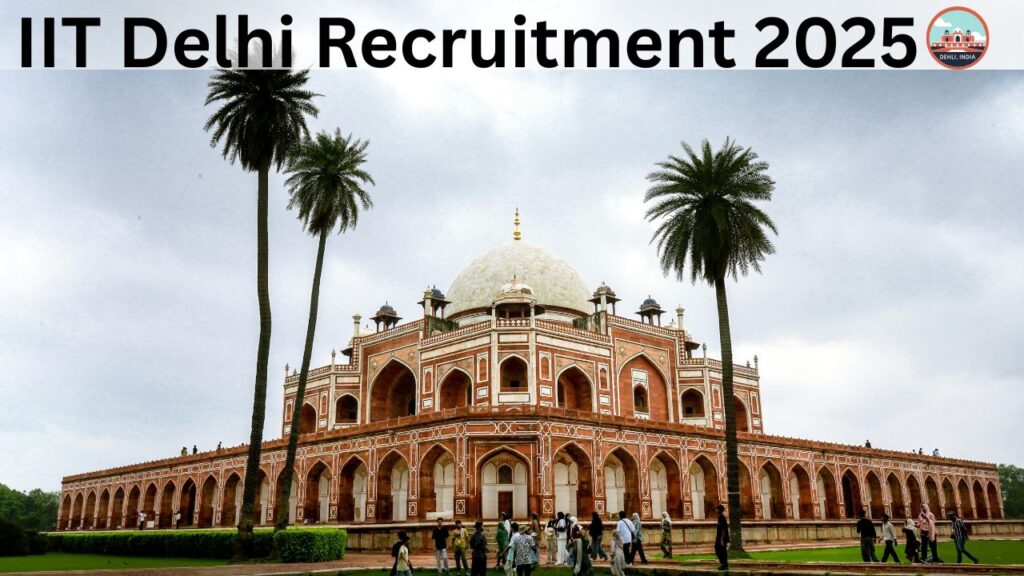
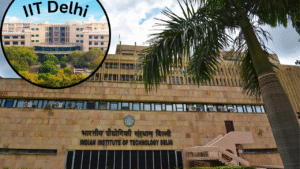
IIT Delhi Recruitment 2025: Latest Job Vacancies, Eligibility, and Application Process

IIT Delhi Recruitment 2025

Do you aspire to work at India’s leading institutions? The Indian Institute of Technology IIT Delhi Recruitment 2025is a golden chance for engineers, scientists, and academicians to excel in research, teaching or technical support. This year’s recruitment drive has plenty of jobs for freshers as well as experienced professionals. Here’s all you need to help build a great application. 

The Opportunity Awaits

Tuck yourself in among the green corridors of IIT Delhi, bookended by the finest brains in India. The hiring there is more than just filling vacancies. It is interested in motivated individuals who will advance science and technology.  

The institute have positions ranging from Senior Project Scientist to Project Attendant and faculty positions including Assistant Professor.Whether you are a senior seasoned professional or a new graduate, there is a role that could spark your career 

Decoding the Vacancies

The announcement describes eight project vacancies for several technical positions. Here’s a snapshot:

  • Senior Scientist: If you’ve got an M.Tech in Computer Science and a flair for pioneering work, this is your ticket. ​
  • Senior Assistant/Junior Assistant: For B.Tech or BE in Computer Science holders, these are stepping stones to a research oriented future.​
  • Scientist (Civil Engineering): If civil structures are your passion and you have a minimum of 3 years experience in the field, you’re in!​
  • Attendant: Just like aspirants of the position of Technician in the IITs, this is also an inclusive call considering even those with an experience of three years post 12th standard, which makes it easy to apply for a lot of people.​
  • Project Manager: If you’ve 8–12 years of experience & leadership is your essence, then you have a chance in there. 

There are vacancies for faculty, mainly Assistant Professors, in numerous departments (with Grade distinctions according to experience) for those holding a doctorate and possessing teaching skills. 

Selection: More than Just a Test

The scrutiny at Iit Delhi is but a fair one. Project posts are decided on the basis of your academic record, past experience and by how you come across in the personal interview. For numerous jobs in technology, the walk-in interview style is straightforward and more fun, no drawing it out. 

Academic and certain administrative roles have a two-stage process: testing and a presentation and a panel interview, to assess your knowledge of the subject and your teaching style. Good time management and clear communication also go a long way here. 

Are You Eligible?

Every position has different educational requirements. Senior positions require you to possess a Master’s or a PhD. B.Tech/BE candidates apply for project posts, while support posts offer chances to all those who have completed their 12th standard, provided they have work experience. This kind of approach is coming IIT Delhi’s ecosystem with a diverse team. 

The faculty and executive positions involve not only academic milestones but also practical experience in well-known organizations or the industry. Be sure to read the notification properly — this is the key to losing out on your dream job on a technicality. 

Read More 👉 WBSSC Result 2025 Declared – Direct Link to Check Your Score & Rank

How to Apply: Step-by-Step Guide

Follow Notification: Initially you can grab the official notification from the IIT Delhi site.​

Get your documents in order: You should have your educational certificates, mark sheets, experience letters, and ID proofs in a file that you can submit.

Attend the Interview: For most project posts, walk-in interviews mean that you just need to appear at the institute’s address on a particular date.

Online/Offline Application: Certain positions require online applications—access the application form using the recommended browser, and complete the form with exact details as mentioned in the notification. For special notifications (e.g. Project Manager) please attend the offline process before deadlines.

Check the Eligibility: Before applying make sure that you fulfill all the eligibility criteria- it will save your time as well as disappointment. 

Tips for Success

  • Walk in interviews for which you need to Arrive early; Punctuality always makes a good first impression.
  • If you’re invited for an interview, have crisp answers ready about your projects, your strengths, and your goals.
  • Study technical topics related to your position, as the interviewers will like that you know more than the basics.
  • Have your documents all in order, in both digital and hard copy format. 

The Promise of IIT Delhi

Work at IIT Delhi is the perfect combination of rigorous academics and real social impact. You will be joining new projects, training new leaders, and collaborating with experts from abroad. The transparent and objective selection process assesses each candidate on skills, past work, and goals. 

The Closing date for IIT Delhi Recruitment 2025 Application is on the way. So get ready, give it your all and prepare to be transformed. 

Conclusion

The IIT Delhi placement 2025 will give you an opportunity to get into one of the best institutes in India. The result is a spirit of innovation, excellence and focus that permeates every aspect of daily activity. Whether you’re a new graduate seeking your first research position or an experienced professional ready to lead teams, the numerous job opportunities cater to all skill sets. The fair wages, solid job growth, and inspiring work place make this more than just a job. It enables you to contribute to creating a narrative which directs India’s science and tech development. Be prepared well, keep visiting for updates and all the best for a bright career at IIT Delhi. 

Best Government Jobs in Dadra And Nagar Haveli

Are you from Dadra and Nagar Haveli? You can apply for government jobs in various posts. As you can check in the list there are many Best Government Jobs in Dadra And Nagar Haveli. Whether you have a background in science, commerce, or arts can get a chance for both technical and non-technical posts. The career growth depends on the person’s experience in work.

S.NoJob TitleDepartment / OrganizationOfficial Website Name & Link
1Assistant ProfessorNAMO Medical Education & Research InstituteDNH Administration, https://dnh.gov.in
2Junior ResidentDirectorate of Medical & Health Services (DMHS)DNH Administration, https://dnh.gov.in
3Post Graduate Teacher (PGT)Directorate of Education, Dadra & Nagar HaveliDNH Education Dept., https://dnh.gov.in
4Assistant EngineerPublic Works Department (PWD), DNHDNH PWD, https://dnh.gov.in
5Revenue InspectorRevenue Department, Dadra & Nagar HaveliDNH Revenue Dept., https://dnh.gov.in
6Forest GuardForest Department, Dadra & Nagar HaveliDNH Forest Dept., https://dnh.gov.in
7Junior EngineerPublic Works Department (PWD), Dadra & Nagar HaveliDNH PWD, https://dnh.gov.in
8AccountantFinance Department, Dadra & Nagar HaveliDNH Finance Dept., https://dnh.gov.in
9Police Sub-Inspector (SI)Dadra & Nagar Haveli Police DepartmentDNH Police Dept., https://dnh.gov.in
10Stenographer Grade CDadra & Nagar Haveli AdministrationDNH Administration, https://dnh.gov.in
11Tax InspectorDadra & Nagar Haveli Tax DepartmentDNH Tax Dept., https://dnh.gov.in
12Lower Division Clerk (LDC)Various Departments, Dadra & Nagar HaveliDNH Administration, https://dnh.gov.in
13Junior Secretariat AssistantDadra & Nagar Haveli AdministrationDNH Administration, https://dnh.gov.in
14Medical OfficerHealth Services, Dadra & Nagar HaveliDNH Health Dept., https://dnh.gov.in
15Driver (Class IV)Dadra & Nagar Haveli AdministrationDNH Administration, https://dnh.gov.in

Scroll to Top