Bharat Sanchar Nigam Limited (BSNL) has been releasing multiple vacancies for various posts under its BSNL Recruitment 2026 notification and it is a very good opportunity for the young and energetic candidates to apply for this largest Telecom PSU of the country. The news has created a wave of excitement among the job seekers across the nation, and for those who were waiting to take their first step into the industry, they can’t get a better opportunity.
BSNL, the Indian state-owned telecom company has released a notification for Senior Executive Trainee (SET) Recruitment 2026. There are a total of 120 prestigious vacancies to be filled by professionals. The last date to submit an application for this job is 15 April 2026.
Dates For BSNL Recruitment 2026
Event
Date/Details
Notification release
29/January/2026
Application start
05/February/2026
Last date to apply
15/April/ 2026 (extended)
Application correction
Around April 8–23, 2026
Exam date
To be notified later
Breaking Down the Vacancies
Let’s get down to the numbers, because that’s really what matters when you’re plotting your career move. Out of 120 posts, 95 posts are reserved for Telecom Stream and 25 posts for the Finance Stream. The category wise distribution goes like this: 51 general, 31 OBC, 18 SC, 9 ST and 11 for EWS candidates.
Stream
Vacancies
Telecom
95
Finance
25
Total
120
What makes this BSNL Recruitment 2026 all the more interesting is that BSNL has unequivocally given preference to technical knowhow – nearly 80% of the posts are in the telecom operations domain, underscoring the firm’s commitment to ramp up its core infrastructure and services.
Eligibility Scale
For Telecom Stream A full-time B.E/B.Tech with minimum 60% marks in the following related disciplines is required: Electronics and Telecommunication, Electronics, Computer Science, Information Technology, Electrical, Instrumentation. The essential point being “full-time”; a distance learning degree or part-time degree is not acceptable.
The Finance Stream, too, is very specific: you must be an ICSI member, in other words, a qualified Chartered Accountant (CA) or Cost and Management Accountant (CMA). This is no compromise either.
You should be between 21 and 30 years of age as on March 7, 2026. Apart from this, if you belong to reserved categories, you are allowed some relaxation: 3 years for OBC candidates, 5 years for SC/ST candidates, and 10 years for Persons with Benchmark Disabilities (PwBD). The exact duration depends on their category.
How Much You Can Earn?
Selected candidates will receive according to the IDA E-3 pay scale with the pay ranging from ₹24,900 to ₹50,500 per month. Add into the mix House Rent Allowance (HRA), Dearness Allowance (DA), Travel Allowance (TA), and a variety of other perks for which PSUs are renowned and it is a very tempting salary package when you add the job security and work-life balance of the job.
The Selection Process
BSNL is not giving these posts on a platter. The process is stringent and intended to select the best. This is how it is done:
Initially, you will appear in a Computer Based Test (CBT) containing 200 multiple choice questions for 3 hours.
It is a two part test: a general aptitude test containing 40 questions and a technical or finance knowledge test having 160 questions, this depends on your stream.
Candidates who are guessing blindly can face the deduction of 0.25 marks if their guess will go wrong so it may not be the best strategy.
You must achieve Minimum 45% marks in each section and 50% marks overall if you belong to the General Category. Candidates from other categories need 35% in each section and 45% overall is enough to pass the exam.
If you clear the written exam, you will be called for document verification and medical examination.
Clear all these hurdles, and you’re in but with a condition. There is also a boundation that you must serve 2 year probation and 5 year service period.
Step-by-Step Guide to Apply
You can find the link of application process on BSNL Official Website.
Register with your valid email ID and mobile number.
Enter all your details (Personal and Education) correctly, even a single error can cost you the chance.
Upload your photo, signature, you require certificates
General/OBC/EWS candidates should pay a fee of ₹2,500 and SC/ST/PwBD candidates are exempted from half the application fee i.e. ₹1,250. 2,500 online.
Submit and download or print your Print off your records, and any evidence of submission for your application to keep safe.
BSNL Recruitment 2026 is a golden chance for the candidates who want to make a good career in the infrastructure of India. With 120 vacancies, the National Company Law Appellate Tribunal (NCLAT) is inviting applications from freshly graduated engineering and CA/CMA professionals who are looking forward to a career-building or establishing job in the public sector. The application deadline has been extended to 15 April 2026, plenty of time to get ready.
Ensuring that you have all the paperwork and documents in order Getting your technical skills ready up to scratch Getting yourself comfortable with the CBT (Computer- Based Test) format Remember, preparation is key if you want to ace the exams.
For those who are looking to start their career in the Indian Telecom industry, especially BSNL,then it is recommended to visit this official site. Get the Latest Notification for knowing about BSNL Recruitment 2026 Procedure of Application and eligibility criteria. Making that initial move might lead to a bright future in the industry.
If you are a resident of Goa and are looking for a government job, then this blog is very useful for you. Nowadays Best Government Jobs in Goa has become a secure and respectful career option for people. Whether you are 10th pass, 12th pass or a graduate – Goa government releases jobs in several departments for every level.
In this blog, we have provided a list of top 15 government jobs in Goa, which includes eligibility, name of the department, and official website information. You can apply for these jobs as per your qualification and get a good government job.
If you are scrolling through countless lists of btech colleges in lucknow and thinking, which one actually provides placements, then you are thinking the right way. The divide between the top government institutes and a run-of-the-mill private college in Lucknow isn’t just a matter of name-brand — it’s a 4x difference in average salary packages.
For a family with a moderate income that is spending ₹4–15 lakh on a four-year degree, that gap makes the difference between the degree paying for itself in two years or becoming a drain on their finances.
The Two-Tier Reality of BTech Education in Lucknow
The engineering scene in Lucknow operates on two parallel tracks with little coming of its divergence.
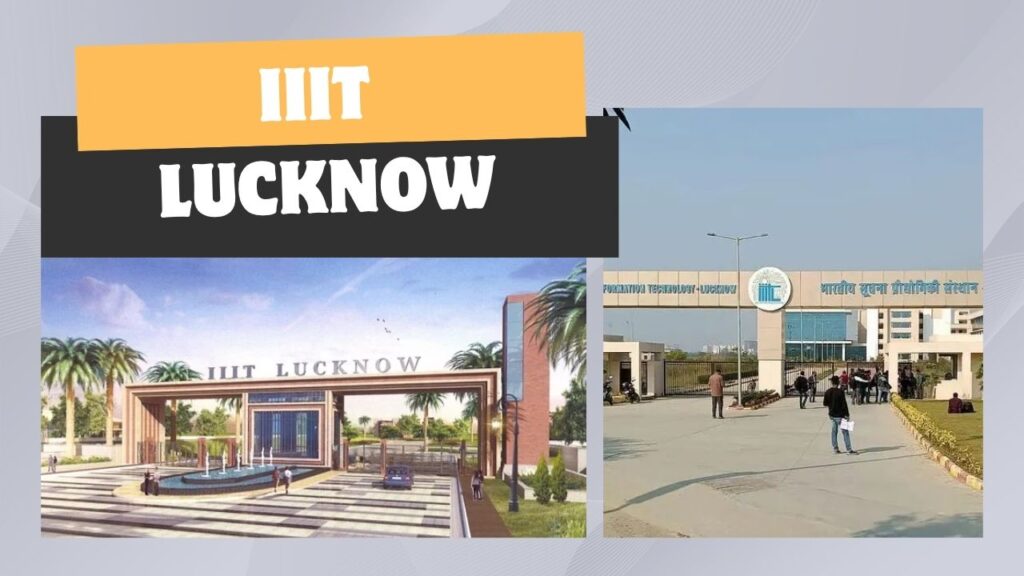
On one end is IIIT Lucknow, an Institute of National Importance operating under a PPP model between the Ministry of Education, Government of Uttar Pradesh and UP Electronics Corporation. That institute reported an average BTech package of ₹33.71 LPA for 2025, with the highest offer reaching ₹145 LPA — figures that give a run for their money to the mid-tier IITs.
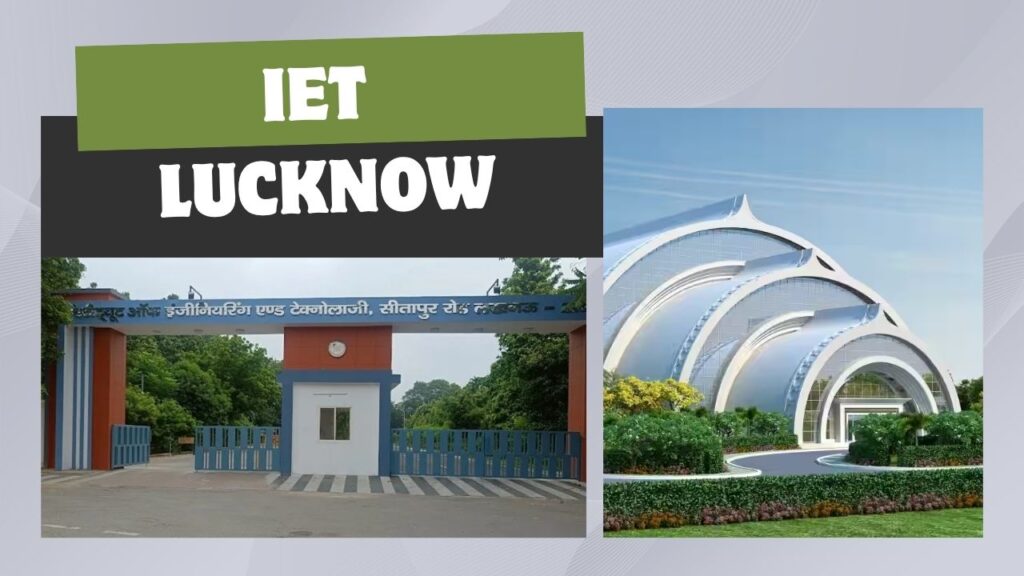
Besides this, there are 53 private engineering colleges, the majority of which are affiliated to Dr. A.P.J. Abdul Kalam Technical University (AKTU) with average packages of ₹4–6 LPA. In between these two is IET Lucknow which is the premier state govt college under AKTU offers 8.2 LPA total fee is just 3.44-4.04 lacs for 4years.
This isn’t just about prestige. The JEE Main rank for IIIT Lucknow Computer Science branch closed at 8,540 (General All India) in 2025, while IET Lucknow’s CSE closed at around the rank of 35,763 via UPTAC counselling. The difference of 27,000 ranks corresponds to around 1.5 percentile points.
Top Government BTech Colleges in Lucknow
IIIT Lucknow (Indian Institute of Information Technology)
IIIT Lucknow is an Institute of National Importance operating under PPP model, formed in 2015-16 by the Government of UP, with the financial support from the MHRD, Government of India along with UP Electronics Corporation. The institute offers only BTech programs in computer science based areas – Computer Science & Engineering, Information Technology, CS-AI and CS-Business.
Entry to these institutes is through JEE Main and then JoSAA counselling — just like the NITs and IITs. 96.17 % of students (201/209) of BTech got placed in the 2025 placement season with a median package of ₹26 LPA. The tuition fees for the entire four-year course ranges from ₹9.6 —- 10.23 lakhs, excluding the cost of hostel.
The culture of coding here has been likened to that in top NITs. In contrast to regular state colleges, IIIT-L has a laser focused curriculum on software engineering, algorithms and data science. Companies like Microsoft, Goldman Sachs, Google, LinkedIn, and Directi have come to these colleges for placement drives.
IET Lucknow (Institute of Engineering and Technology)
IET Lucknow is listed in the top colleges of Engineering colleges of Lucknow, established in 1984. This government institute is administered by AKTU’s Executive Council and offers eight different fields in BTech. Those eight disciplines are Computer Science, Electronics & Communication, Civil, Mechanical, Electrical, Chemical, and Information Technology.
The admission process is tough as students have to go through UPTAC counselling (not JoSAA) after passing JEE Mains. Previous year students get placement packages up to ₹8.2 LPA and the highest package goes up to ₹49 LPA shown in the record. Total four year fees of IET-L sit between ₹3.44–4.04 lakhs that make up to ROI, you pay roughly ₹4 lakhs and routinely secure placements averaging above ₹8 LPA.
The campus environment is academic and advanced, providing the strongest ecosystem in the city for students who are targeting core engineering branches to settle down in government jobs.
University of Lucknow
University of Lucknow is every engineering first choice as it serves various disciplines in engineering programs. Students settle down with an average package of ₹6.5 – 8.0 LPA and this four year degree costs ₹1.2 – 1.4 lakhs, which is a good choice for a middle class person. Admission routes include JEE Main and LUGET.
The campus environment is surrounded with technical studies, civil services or management exam preparation. It balanced the core culture of academic and practicality, making it a perfect choice for UPSC aspirants who want an engineering degree as a backup.
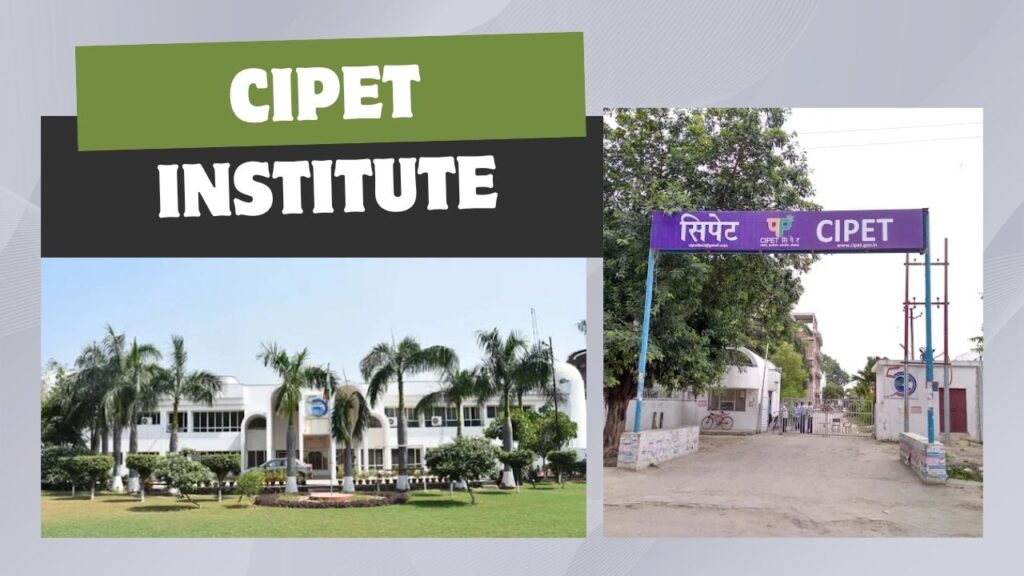
CIPET Lucknow (Central Institute of Petrochemicals Engineering and Technology)
CIPET operates under the Ministry of Chemicals and Fertilizers, the best choice for students who want to build a career in chemical engineering. The institute focuses on plastics engineering and manufacturing technology while maintaining the strong connection to industries in automotive, packaging, and petrochemicals sectors where demand for specialized engineering talent is high.
The annual fees of course sits between ₹75,000–85,000 and delivers exceptional ROI for students in future. The placement rate is also high in this field, near-100% in manufacturing sectors.
Leading Private BTech Colleges in Lucknow
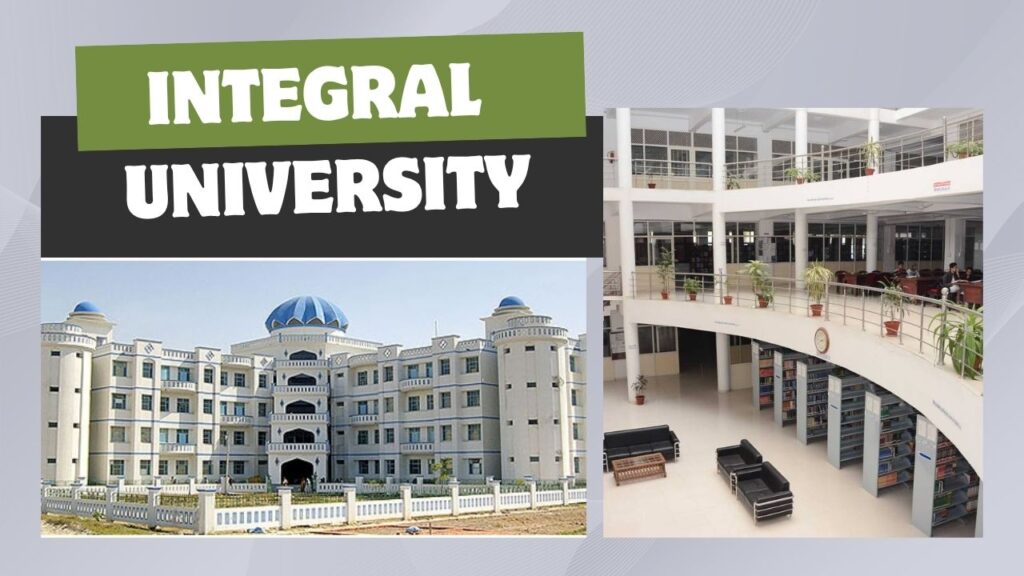
Integral University
Integral University became one of the best Lucknow engineering colleges after it came into the NIRF 2025 Engineering ranking bands (201–300). Its unique position is built upon the faculty strength and curriculum of the university in research infrastructure and emerging specializations like Cloud Computing and AI.
These advanced choices are growing the university’s reputation world-wide and best for students who plan to pursue higher education or research careers. This institution carries NAAC A+ and provides a higher academic environment which gets students average packages of ₹4.5 – 7.2 LPA shown in reports. The annual fees of ₹1.5 –1.7 lakhs.
Amity University Lucknow
Amity University got NAAC A+ accreditation with corporate-level infrastructure that gives students an opportunity for learning with soft-skills training, global immersion programs, and placement drives featuring TCS, Wipro, HCL, and IBM. Reports say the average package students can get is up to ₹6.5 LPA and annual fees is ₹3.1 —- 4.5 lakhs.
Amity builds their students with strong communication skills — a profile that consulting firms and client-facing tech roles value. But it can be affordable for some students as its total fees for four years is ₹16–20 lakhs.
Babu Banarasi Das University (BBDU)
BBDU is one of the biggest universities in Lucknow with a wider range of programs. It offers BTech courses in multiple disciplines at ₹1.4 — 1.8 lakhs fees annually. Students can get an average package on their placement is around ₹5.2 —- 6.8 LPA but students have to pass JEE Main or BBDU-ET entrance exam.
If students miss IET Lucknow, after getting 35,000–60,000 in JEE Main can get admission in BBDU as it offers a reliable middle-of-the-funnel option without exorbitant fees.
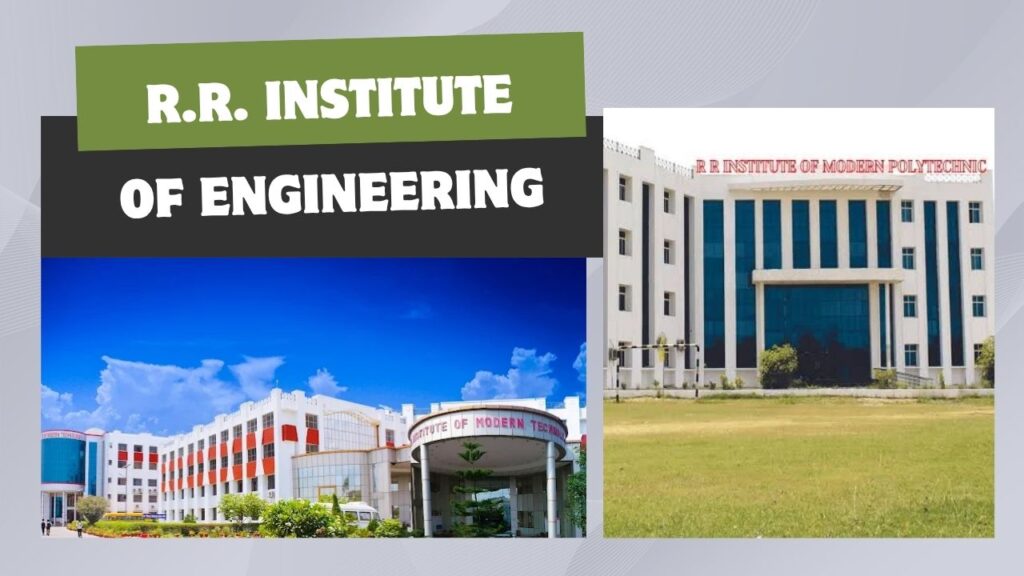
R.R. Group of Institutions (RRGI/RITM)
RRGI/RITM offers a strong curriculum and practical exposure for BTech students which polishes their skills in specific disciplines. ₹4.5 – 6.0 LPA range of package after finishing four year degree which cost students ₹80,000 – 1.1 lakhs per year.
If students miss a seat in government college, they can get admission here. It’s a practical option for middle class families since its ROI is also good, and a consistent placement record.
Comparison of Best BTech Colleges in Lucknow: Fees vs. Placement ROI
College Name
Ownership
Total 4-Year Fee
2025-26 Avg Package
Best Specialization
IIIT Lucknow
Govt (PPP)
₹9.6–10.23 L
₹33.71 LPA
CSE, AI, IT
IET Lucknow
State Govt
₹3.44–4.04 L
₹8.2 LPA
Core Engg, CSE
Lucknow University
State Govt
₹4.8–5.6 L
₹7.5 LPA
Civil, Electrical
Amity University
Private
₹16–20 L
₹7.8 LPA
Biotech, Cyber
Integral University
Private (Deemed)
₹6–7 L
₹5.5 LPA
Cloud, AI
BBDU
Private
₹5.6–7.2 L
₹6.0 LPA
Data Science
RRGI
Private
₹3.2–4.4 L
₹4.8 LPA
Mech, CSE
CIPET
Central Govt
₹2 L
₹5.0 LPA
Plastics Engg
If software engineering at product-based companies is your goal, IIIT Lucknow operates in a different league. For core engineering with government job preparation, IET Lucknow delivers unmatched ROI.
BTech Admission Process in Lucknow: JoSAA vs. UPTAC
There is a rule to take admission in BTech — whether you choose government or private college, the pathway is critical but it is mandatory to test your knowledge.
JoSAA (Joint Seat Allocation Authority)
Students can take admission through JoSAA counselling to IIIT Lucknow, IITs, NITs, and IIITs nationwide. It happens every year in June, you can register and be ready for counselling rounds. It will finish till July last week but you must have a JEE Main 2026 score and 75% aggregate in Class 12. The portal is josaa.nic.in.
If students want to take admission in any 60+ AKTU-affiliated colleges across Uttar Pradesh then registering UPTAC is the best choice. Registration happens every year in mid-June on uptac.admissions.nic.in. You must have a JEE Main 2026 score with 45% in PCM with valid documents.
IIIT Lucknow uses JoSAA only. IET Lucknow and all private AKTU colleges use UPTAC only. You must register for both systems separately if you want to keep both options open.
Meanwhile many private universities run their own entrance exam for admission or offer direct admission on merits of students in 12th. So you must secure above 60% in PCM to be eligible for BTech course.
JEE Main 2025 Cutoffs: What Ranks Actually Got In
IIIT Lucknow CSE (General All India): 8,540 (Round 1)
IIIT Lucknow CS-AI (General All India): 8,844 (Round 1)
IET Lucknow CS-AI (General): 35,388 (Round 1)
IET Lucknow CSE (General): 35,763 (Round 4)
IET Lucknow ECE (Open State): 48,263
IET Lucknow Electrical (Open State): 59,465
IET Lucknow Mechanical (Open State): ~1,00,306
Placement Reality: Beyond the “Highest Package” Marketing
College catalogs are full of boasts about the ₹62 LPA or ₹145 LPA offers from abroad. That’s important, but the numbers don’t tell you what the median looks like. IIIT Lucknow’s median package (26 LPA) is more telling than its highest package (145 LPA). The IET Lucknow median of 6.15 (NIRF 2024 data) LPA is a much better reflection of what one can expect than the highest offer of 49 LPA.
Private Lucknow colleges claim ₹4-6 LPA as average package and ₹15-20 LPA as maximum IT package for top performers. It is the placement percentage — the ratio of students who got a job to those eligible to get a job — that is more important than the maximum package. The 96.17% placement record of IIIT Lucknow (201 / 209 students) is outstanding. IET Lucknow reports 60% to 70% placement, 50+ recruiters. Private colleges are a mixed bag, some find it hard to place even 50% of their batch.
For the cost-conscious and less brand-conscious, Lucknow has many government and government-aided schools:
College
Fees
Admission Through
Package
BSP Lucknow (Bhabha Polytechnic)
₹69,000 total for four years
UPTAC
₹3 LPA
AIET Lucknow (Ambalika Institute)
₹1–1.4 lakhs
UPTAC
₹4 LPA
CIPET Lucknow
₹2 lakhs total for four years
UPTAC
₹3 LPA
IET Lucknow
₹3.44–4.04 lakhs total
UPTAC
₹3.5 LPA
Eligibility Criteria for BTech Admission in Lucknow
Students must have physics, chemistry, and math in their class 12th with a score above 60%.
JEE Mains is mandatory for most colleges.
UP domicile candidates get preference under the home state quota in UPTAC counselling.
Conclusion
If you have finished your 12th with PCM and want to pursue BTech, that means you need to prepare yourself for challenges and competition. This is a vast field with multiple opportunities but there are thousands of students who pass every year from these Best BTech Colleges in Lucknow and secure a well-paying job in multinational companies.
You can also join the government sector (Railway technician, Airlines, ISRO) by getting admission in government college, it doesn’t mean that private colleges won’t make you eligible, government colleges have a wider range of placement drives. Understand the process of admission before making a decision because most students fail to keep the track.
Students can check fees and salary packages that companies offer as it matters to build a secure career.
A student who took an SBI Education Loan in early 2024, when the rupee was trading around ₹83 to the dollar, is repaying that same loan today at a rate closer to ₹94–95. If you understand Foreign Education Loan Currency, it will be easy for you to save yourself from extra loss. Nobody changed the interest rate on the loan or the tuition fee either.
What changed is the number of rupees it takes to buy one dollar and that single variable can add lakhs to the real cost of an Education Loan that was sanctioned in Indian rupees.
Most Indian education loans for study abroad are disbursed and repaid in INR, but the expense they’re funding — tuition, hostel fees, living costs is billed in a foreign currency. The loan itself doesn’t have currency risk. The gap between what you borrowed and what the university actually charges does.
How the Education Loan Currency Gap Works
When a bank sanctions a loan of ₹40 lakh for a one-year master’s programme in the UK, that sanction amount is usually based on the exchange rate at the time of approval. But the loan is disbursed in tranches — often per semester and each tranche gets converted from INR to the foreign currency at whatever the rate is on that transfer date.
If the rupee has weakened between sanction and disbursement, your ₹40 lakh will convert into fewer pounds or dollars than it did when the loan was approved. Families either dip into savings to cover the shortfall or go back to the bank for a top-up, which restarts part of the paperwork and interest calculation.
For instance, a $50,000 annual tuition bill works out to around ₹42.8 lakh at an exchange rate of ₹85.64 to the dollar. If the rupee falls to ₹91.5 per dollar, that same tuition bill rises to about ₹45.75 lakh — nearly ₹3 lakh more, with tuition itself unchanged. That’s the currency gap, and it compounds every year the course runs and every year the loan is repaid after the student starts working, especially if the borrower’s income doesn’t move at the same pace as the exchange rate.
As of September 2026, USD/INR has been trading mostly in the 94–96 range, after hitting a record low of nearly ₹96.6 in May. In the starting of 2026, the rupee is nearly ₹90 to the dollar but depreciation occurred in the first quarter due to crude oil prices, the Fed–RBI rate gap and dollar outflows — roughly a 4–5% decline in three months. It affects everything, even students’ education who planned expenses at ₹83/USD, which creates a ₹10–12 per dollar gap. That means education loans also pushed from ₹50 lakh to ₹56+ lakh without any increase in tuition fees.
Some institutions expect rupee to recover modestly toward the ₹90–91 range while others firms like Goldman Sachs and Bank of America suggest USD/INR could remain in the ₹96–99 band over the next couple of years. These numbers are always moving so students should keep that in mind while taking an Education Loan.
Students must check the live USD/INR rate before finalising any loan math, rather than anchoring to a snapshot number
What Is a TCS Rule For Education Loan Abroad
Under the Finance Act 2026, remittances for education funded through a loan from a notified bank or financial institution are exempt from Tax Collected at Source (TCS) entirely — no TCS even above the ₹10 lakh threshold, as long as the loan qualifies under Section 80E. That’s a meaningful change from the older 5% TCS regime, and it only applies when the money is routed as loan disbursement, not as a self-funded remittance from savings.
Self-funded transfers above ₹10 lakh now attract 2% TCS (down from 5%), reclaimable as a credit when filing your ITR. Bank sources still describe a 2% rate for loan-funded remittances too, so this is worth confirming directly with your bank’s forex desk before you rely on it — TCS rules on LRS have changed twice in two budget cycles, and banks are usually the fastest to have the current interpretation.
What an Actual Loan Costs Today
SBI’s Global Ed-Vantage scheme, one of the more commonly used routes for study-abroad financing, currently covers loan amounts from ₹7.5 lakh up to ₹3 crore across 28 countries, with interest rates starting around 8.65% for female applicants and 9.15% for male applicants, and collateral-free borrowing up to ₹50 lakh for students admitted to a list of recognised foreign universities.
Repayment tenure runs up to 15 years, with a moratorium covering the course duration plus one year. These figures move with RBI’s repo rate and SBI’s internal benchmark, so treat them as a starting reference and verify against the bank’s published rate sheet before quoting them to a reader as final.
Practical Ways To Manage Currency Risk
None of this means avoiding a Foreign Education Loan as it’s still the only realistic way to fund an overseas degree for most families. It means treating the exchange rate as a cost variable, not a fixed number.
What actually determines what you pay back is that rate plus processing fees, the forex margin the bank quietly builds into every disbursement, and how your moratorium is structured — and those three add-ons can separate two “9% loans” by lakhs.
Take a ₹60 lakh abroad loan from a public sector bank at a floating 9.65%, a flat ₹10,000 processing fee, and a 2% forex margin on each tuition transfer — a fairly standard structure in 2026. Run that through a typical 10-year repayment and the interest alone comes to roughly ₹33.6 lakh; add the ₹1.2 lakh forex margin and the real payback lands near ₹94.8 lakh on a ₹60 lakh loan, before anyone factored in a repo rate hike.
Move the same ₹60 lakh to an unsecured NBFC loan at 11.5%, where interest capitalises through a full moratorium instead of being serviced as simple interest, and the principal you start repaying against can already have grown to ₹66–68 lakh by the time EMIs begin. Layers on the 1.25%-plus-GST processing fee NBFCs typically charge — around ₹88,000–90,000 on that loan size — and the same ₹60 lakh commitment can end up closer to ₹1.05 – 1.15 crore in total outgo.
There’s one real way to shrink this gap rather than just track it: SBI’s Scholar Loan, reserved for IIT/IIM/NIT admits, has been quoted around 6.9%–7.65% in 2026 — well below the standard Global Ed-Vantage rate, and worth checking eligibility for before assuming the general scheme is the only door open.
Foreign Education Loan Currency is not a risk for getting a degree abroad. Once you get a job there, you might be able to repay on time but paying more than extra can crash you over. So understand how INR Depreciation Can Increase Your Loan Cost to save yourself from heavy risks.
The families who get burned aren’t the ones who took a foreign currency risk — every rupee-denominated loan funding a dollar or pound expense carries that risk by default. It’s the ones who assumed the sanctioned loan amount was the final cost, when the exchange rate on the day of each disbursement was always going to have the final word.
If you are a fresher then you should understand the value investment to secure your future. SIP for beginners is a basic core to let you know how truly you can enjoy your first paycheck. There’s this urge to celebrate — a new phone, a trip, dinner out every other night. Nothing wrong with any of that. But somewhere between the celebration and the next paycheck, most of us miss a quiet window that never really opens this wide again.
That window is the gap between “I have no financial responsibilities yet” and “I have financial responsibilities I can’t avoid.” And the best tool for that window is SIP which most people postpone for years.
They are 100% safe but not guaranteed. The risks involve which kind of mutual fund investors seek to invest in (equity, debt, or hybrid) not the process itself.
What Is a SIP?
SIP stands for Systematic Investment Plan. Strip away the jargon and it’s simple — you invest a fixed amount, usually into a mutual fund, at regular intervals (usually monthly), instead of putting in one large sum at once.
Think of it like a gym membership for your money. You don’t need a big lump sum to start. You just need to show up consistently, month after month, and let the process do its work.
Why Your First Salary Is the Ideal Starting Point
There’s a reason financial advisors keep repeating this, even though it sounds like a cliché: time is the one resource that actually multiplies your money for you.
When you invest early, you’re not just investing your money — you’re investing years. And years, thanks to compounding, behave less like addition and more like multiplication.
Say you invest ₹5,000 a month starting at age 23, versus someone who starts the same amount at age 33. Assuming a similar average return over time, the person who started ten years earlier could end up with a corpus that’s not just proportionally bigger — it could be several times larger by retirement. The extra decade at the start does more work than an extra decade added at the end.
This isn’t about being lucky or picking the “right” fund. It’s about giving your money the maximum amount of time to grow.
This is a fair point. Rent, EMIs, family contributions, that gym membership you forgot to cancel — early salary life is expensive. But this is exactly why starting small matters more than starting big.
A SIP doesn’t demand a large amount. Many funds let you start with as little as ₹500 a month. The goal in your first year isn’t to build wealth overnight — it’s to build the habit of paying your future self before you pay for anything else.
Pay yourself first, Instead of saving whatever’s left after spending, you flip the order — invest first, spend what remains.
Maintain Your Psychology To Empower Yourself Financially
Your spending habits calcify fast. The lifestyle you build in your first two years of earning tends to become your baseline. Once you get used to spending your entire salary, increasing that SIP amount later feels like a sacrifice, even if you’re earning more.
Starting a SIP with your first paycheck means your lifestyle grows around a slightly smaller number from day one. You never miss what you never got used to spending.
Waiting for the “right” market conditions. SIPs are designed to work through ups and downs — that’s the entire point of investing at regular intervals instead of timing the market.
Choosing funds based on friends’ recommendations. What worked for your colleague may not match your goals or risk appetite.
Stopping the SIP the moment markets dip. Volatility is normal, not a signal to panic. Long-term SIPs are built to absorb short-term noise.
Not linking the SIP to an actual goal. A vague “let me just invest” often loses motivation. Tying it to something — a house down payment, early retirement, a five-year trip fund — makes it easier to stay consistent.
A Simple SIP For Beginners Way to Start
You don’t need a finance degree or a stockbroker uncle to get going. Most banking apps and investment platforms let you set up a SIP in under ten minutes:
1. Pick a fund category based on your goal and time horizon (equity for long-term growth, debt for shorter, safer goals).
2. Decide an amount you can commit to without stress — even a small one.
3. Automate it. Set the SIP date right after your salary credit date so it happens before you have a chance to spend it.
4. Increase it gradually as your income grows — many platforms let you “step up” your SIP automatically each year.
Nobody regrets starting a SIP early. Plenty of people regret waiting for the “perfect moment” that never quite arrives. Your first salary isn’t just your first taste of financial independence — it’s the cheapest, most flexible starting line you’ll ever get for long-term wealth building.
Start small. Start messy if you have to. Just start with the first one. A SIP for beginners guide will help you understand everything from why it is important to how to start, you just have to decide how much you can give for your future.
This post is for general awareness and educational purposes only. Mutual fund and SIP returns are subject to market risk. Please evaluate your own financial goals, risk appetite, and consult a financial advisor before making investment decisions.
Many Indian students dream to serve the nation in olive green uniforms and make their parents. Agniveer Army New Vacancy Notification 2026 is a golden chance for those students to make everything possible but for that, students must understand the entire process of selection so they don’t have to get upset later.
The Indian Army has opened its door for 25,000+ candidates and you can be one of them. Here are the full details of job responsibilities and further details of Agniveer Army Recruitment 2026.
Agniveer Army New Vacancy Notification 2026
Agniveer Recruitment 2026 is on-going and the notification was released on 12/February/2026 in which all the details are provided for the candidates. The official site declared a total 25,000+ vacancies for different roles but you must check everything before taking a precise decision for their career.
Mark These Dates
Event
Date
Notification Released
12/February/2026
Online Application Started
13/February/2026
Last Date to Apply (Extended)
10/April/2026
CEE Exam Date
1/June – 16/June 2026
Recruitment Rally
To be announced zone-wise
Result / Merit List
After CEE and Rally
If you missed the date then start your preparation for the next notification to apply.
What About Indian Army Agniveer Job?
The Indian government launched Agnipath Yojana in 2022 in which young men and women are recruited for the fixed tenure of four years in the Indian Army Force. During this period, the selected candidates are considered as active soldiers who trained, deployed and paid to serve their nation.
After completing these four years, 25% of Agniveers are selected for permanent enrolment in the Army. It is highly based on performance and loyalties. The rest of the Agniveers are released from their duties with a financial package called Seva Nidhi, along with a certificate of your skills which is valuable.
In other words, it is a launch pad where you get military training, discipline, courage, salary, and a guaranteed skill set that opens many doors for you in many departments.
Agniveer Army New Vacancy Job Responsibilities
The job responsibilities depends on role, which role you have joined and what are your expertise, your day-to-day duties may include:
Guarding borders and carrying out patrolling operations
Operating weapons systems and maintaining equipment
Assisting in disaster relief and humanitarian operations across India
Providing logistical and administrative support at Army units
Participating in counter-terrorism operations under senior officers
Maintaining and repairing technical equipment (for technical posts)
Providing medical support at field units (for nursing assistant posts)
Every soldier gets quality training to carry out such operations. They get posted across India depending on requirement.
Education Qualification For Indian Agniveer Army 2026
Different posts require different educational qualifications. Here are the mentioned posts with their highest qualifying education.
Post
Educational Qualification
Agniveer General Duty (GD)
Class 10th, 45% aggregate, 33% per subject
Agniveer Technical
Class 12th with Physics, Chemistry, Maths — 50%
Agniveer Clerk / Store Keeper Technical
Class 12th — 60% aggregate
Agniveer Tradesman (8th pass)
Class 8th pass
Agniveer Tradesman (10th pass)
Class 10th pass
Agniveer Nursing Assistant
Class 12th with Physics, Chemistry, Biology — 50%
Havildar Education
Graduation in relevant subject
Sepoy Pharma
D.Pharma (Diploma in Pharmacy)
GD (Women Military Police)
Class 10th, 45% aggregate
There are posts that require only the 8th and 10th marksheet, so this is an opportunity for the students who wanted to apply early.
Eligibility Requirement For Agniveer Army New Vacancy Notification 2026
The minimum and maximum age limit is very strict – 17.5 to 21 years. There is a 22 year upper limit for GD Women Military Police post. For Sepoy Pharma, 19 to 25 years and Technical soldier has 17.5 to 23 Years.
No married men and women are eligible for this post.
Remember that only Indians can apply for this job.
Both female and male candidates are eligible for this job but women usually prefer GD post.
Application Fee: Agniveer Army New Vacancy Notification 2026
General / OBC / EWS
₹ 250/-
SC / ST
₹ 250/-
The payment can be completed via online mode using debit/credit/IB/or UPI. The fee is non-refundable, so check your eligibility criteria before applying for this job.
How To Proceed With The Application for Agniveer Army New Vacancy?
Make your documents ready, to apply go to the Indian Army Agniveer official site to check 2026 Notification.
Once you have read the notification, you can click on the application portal link to fill in the details. Login to your account or register yourself with a valid mobile number and email ID.
Fill personal details, educational qualifications, and post preference carefully and review them.
Upload documents (educational, photo, signature, ID) and submit the application.
Complete the payment process and download the application on your device.
Selection Process For Agniveer Army New Vacancy
Stage 1: Common Entrance Examination (CEE)
It is an online exam for the Agniveer Army New Vacancy with question based on the topics from
General Knowledge & Current Affairs
General Science
Mathematics
Logical Reasoning
The exam level also varies according to the post you are applying for. Technical posts have more questions from Physics, Chemistry and Mathematics which are more advanced and you need more subject knowledge and problem solving skills.
As for clerk posts, they tend to test you more on English grammar and reading comprehension to see how accurate your language is and how well you can understand what you’ve read.
Agniveer Army New Vacancy Exam Pattern
It is a Multiple-Choice Question from relevant subjects, total marks, and negative marks depending on the specific role you are applying for.
General Duty (GD) & Tradesman: It is a 10th grade difficulty level exam focused on basic knowledge, 60 minutes time given to finish in which you get 2 marks for right answer and lose 0.5 marks for wrong answer.
Subject
Number of Questions
Max Marks
General Knowledge
15
30
General Science
15
30
Mathematics
15
30
Logical Reasoning
5
10
Total
50
100
Technical Branch: Questions have 12th grade difficulty level heavily focused on science subjects. 60 minutes time given to finish in which you get 4 marks for the right answer and lose 1 mark for the wrong answer.
Subject
Number of Questions
Max Marks
General Knowledge
10
40
Mathematics
15
60
Physics
15
60
Chemistry
10
40
Total
50
200
Clerk / Store Keeper Technical : This is the most extensive exam. It is focused on your english skills along with general knowledge and it is divided into two parts but time is extended for this paper, 120 minutes. You get 4 marks for right and lose 1 mark for wrong answer but you must secure 32 marks in both parts.
Part
Subject
Number of Questions
Max Marks
Part 1
General Knowledge
5
20
General Science
5
20
Mathematics
10
40
Computer Science
5
20
Part 2
General English
25
100
Total
50
200
Agniveer Technical Nursing Assistant: Exam is heavily focused on Biology and chemistry on a 12th grade difficulty level. You have given 60 minutes to earn 4 marks for the right answer but be careful because 1 mark can cut for wrong answer.
Subject
Number of Questions
Max Marks
Biology
15
60
Chemistry
15
60
General Knowledge
10
40
Physics
5
20
Mathematics
5
20
Total
50
200
Havildar Education : This exam is divided into papers and focused on more detailing because for the role of educators and teachers within the military, you must secure 40% in each paper.
Paper 1 covers General English, General Awareness, and Teaching Aptitude
Paper 2 covers the relevant subject, Computer Science for IT sector, Physics and Maths for science, and History and Political Science for Arts stream.
Sepoy Pharma : 120 minutes given for both parts in which you must secure 40 marks in Part 1 and 60 marks in Part 2. You earn 2 marks for right and lose 0.5 marks for the wrong answer.
Part
Subject
Number of Questions
Max Marks
Part 1
General Knowledge
25
50
General English
25
50
Part 2
Pharmacy I (Chem, Anatomy, etc.)
30
60
Pharmacy II (Pharmacology, etc.)
20
40
Total
100
200
Stage 2: Recruitment Rally
Candidates who have cleared the CBT exam are called to attend the physical rally for their physical fitness, physical measurement, and medical examination along with document verification.
Physical Fitness For Agniveer Army New Vacancy
1.6 km run (must be completed within the qualifying time)
Pull-ups / Beam
9-foot ditch crossing
Zig-zag balance
Physical Measurement Test (PMT):
Height: minimum 160 cm for most posts (varies by category and post)
Weight: proportionate to height
Chest expansion: minimum 5 cm
Medical Examination
Full body check up for overall fitness is mandatory along with eyesight, flat feet, and hearing check ups are under Army-standard medical check. It must be fast and quick to secure this job.
Document Verification
Your ID, educational certificates, domicile certification are checked at this stage. Candidates must take original documents not a copy of it and those who don’t have their exams marksheet yet, they can apply but must produce the original marksheet at the rally.
Structure And Promotion: Agniveer Army New Vacancy Salary
Year of Service
Total Package
In-Hand Salary
Year 1
₹30,000/month
~₹21,000/month
Year 2
₹33,000/month
~₹23,100/month
Year 3
₹36,500/month
~₹25,550/month
Year 4
₹40,000/month
~₹28,000/month
There are additional allowances in this job including Risk and Hardship Allowance, Ration, Dress, Travel Allowance. The Life Insurance package which provides you with any medical care during the service is about ₹48 lakh.
Conclusion of Agniveer Army New Vacancy
If you are young, musically fit and want to serve the country, Agniveer is currently one of the best options in India. You start getting paid day one, world class military training, government benefits and a future that is a hell of a lot more secure than most private sector jobs when you’re this young.
If you missed Agniveer Army New Vacancy Notification 2026 then wait for the next cycle which will probably begin in early 2027. Begin your physical training now. Practice your maths, your general knowledge and your science. And when notification drops, apply with no-holds-barred.