How to Future Proof Your Career in the Age of Artificial Intelligence 

Future Proof Your Career

AI has taken over most of the entry-level jobs across industries like IT, Marketing, Finance, collecting online certificates alone won’t help you get a well-paid job. To actually Future Proof Your Career in the Age of artificial intelligence, you have to start competing on ground level reality rather than on speed.

Students looking at the hiring platforms or LinkedIn requirements make them lose confidence. Fresher level jobs are gone where writing syntax, drafting email, summarizing research, and cleaning spreadsheets are the work and training ground for freshers. Now AI can handle these tasks easily in just seconds.

There are still place for freshers but they need to train themselves with followings:

1. Become a Master of “Problem Framing,” Not Just Problem Solving

AI can resolve simple queries in minutes, the market value of having the answer has dropped to near zero. College professors can hand you neat projects with clear parameters but the real world business problems are messier and political which requires more from you. The new premium skill is problem framing and acquiring this will help you stand somewhere.

During your college years, learn skills like using AI to diagnose messy and real-world bottlenecks. Visit a local store or a chaotic student fest committee and offer them something more than just “write code” or “run social media.” Figure out why their inventory is leaking money or why sponsors are dropping out. If you can define the problem, you will manage the AI that solves it.

2. Build “Un-Googleable” Ground Truth

Large Language Models are trained in the past—specifically, whatever has already been typed onto the internet. AI is not facing what is happening in the real world. Students can take tasks which AI couldn’t do like collecting proprietary ground truth.

If you are a marketing student, don’t submit a desktop case study on Zomato. Talk to delivery partners and gather their exact grievances with app navigation then publish your raw findings. If you are studying finance or economics, interview 15 local MSME factory owners for new rules of GST and supply chain shift and what is hurting their money.

Companies will pay a massive premium for freshers who aren’t afraid to touch grass and gather unindexed, real-world human insights that an AI simply cannot scrape.

Read Also 👉  AI Is Changing Tech Jobs: Are Software Developers at Risk?

3. Cultivate “Editorial Taste” and Become an AI Skeptic

Average work is so easy to do for the Gen AI that the internet and workplaces are now flooded with “AI slop” but there is a lack of real quality and logic in its content and code.

Your practical work creates real value, not a degree or certificate. Before you use the date from AI, inspect and verify against the real world experience. Train yourself to not take domain information for granted. Check the numbers and security vulnerabilities in the code before implementing and spot blind spots in cultural context. 

4. Replace Your Static Resume with a “Micro-Audit” Portfolio

Most of us create our resume using AI tools or ChatGPT which overall makes an impressive and structured resume but 5,000 students applying for the same role with the same type of resume is not highlighting your specific talent so start showing proof of work to bypass the resume black hole.

List five mid-sized companies and audit their business or website for a week. Make a detailed document or long Loom video that tells a story about their slower progress flow. Send that link directly to a department head on LinkedIn. Actionable proof beats a 9.0 CGPA every single time.

5. Trade Narrow Specialization for “Weird Intersections”

A pure coder is vulnerable. A pure graphic designer is vulnerable. A pure legal researcher is vulnerable. Where AI struggles is across unusual disciplinary intersections.

Remix your core field of study with another topic which is far different from your area. For example: Computer Science with behavioural psychology or logistics and literature with data visualization and SQL. Combining these areas will increase your opportunity to bridge two worlds that don’t normally talk to each other. 

Read Also👉  Microsoft Offers Buyouts to 60,000 Employees as AI Spending Surges

Conclusion

Future Proof Your Career in an age of AI doesn’t have to involve mastering every single new tool or a slew of certificates that will be quickly forgotten. It really is about building skills that make you worth more than a machine can make. 

Start recognizing real problems, learn to read the world, challenge AI-Generated Answers, and showcase your skill through real work. More importantly, keep your curiosity alive and combine skills from a variety of areas. 

Leave a Comment

Your email address will not be published. Required fields are marked *

Discover the Best Lucknow University Courses in 2025 – UG, PG, Diploma & More!

Best Lucknow University Courses – Top UG, PG, Diploma & Professional Programs 2025

Lucknow University is one of the oldest and most respected universities in India. Many students dream of studying here. If you want to know about the best Lucknow University courses in 2025, this article is for you. We will talk about the main courses at undergraduate (UG), postgraduate (PG), and diploma levels. We will also look at some popular professional courses. This guide will help you find the right course for your future.

Main Types of Lucknow University Courses

  • Undergraduate (UG) Courses
  • Postgraduate (PG) Courses
  • Professional and Vocational Courses
  • Diploma and Certificate Courses

Let’s explore each type.

Undergraduate (UG) Courses at Lucknow University

Undergraduate courses start after class 12. These courses help you build basic knowledge for your career. Here are some of the best UG Lucknow University courses:

Bachelor of Arts (BA)

The BA is a famous course. You can choose subjects like:

  • Hindi
  • English
  • History
  • Political Science
  • Sociology
  • Economics

The course is for three years. There are many subject combinations, so you can pick what suits your interest best.

Bachelor of Science (BSc)

This course is good for students who love science. The BSc at Lucknow University comes with many subjects like:

  • Physics
  • Chemistry
  • Mathematics
  • Botany
  • Zoology
  • Statistics

BSc is a three-year full-time course. There are also special groups like BSc (Physics, Chemistry, Mathematics) or BSc (Botany, Zoology, Chemistry).

Bachelor of Commerce (BCom)

BCom is best for students interested in business, finance, or accounting. At Lucknow University, you learn subjects like:

  • Accountancy
  • Business Law
  • Economics
  • Management

BCom is a three-year course and gives you great career options in banking, finance, and business.

Bachеlor of Computеr Applications (BCA)

BCA is for thosе who want to work in computеrs and IT. You lеarn softwarе, programming, and computеr basics. It is a popular Lucknow Univеrsity coursе for tеch lovеrs. Thе coursе is for thrее yеars.

Bachеlor of Businеss Administration (BBA)

If you drеam of managing a businеss or bеing a lеadеr, BBA is thе right choicе. You will study businеss, markеting, financе, human rеsourcе, and morе. BBA is a thrее-yеar coursе at Lucknow Univеrsity.

Bachеlor of Laws (LLB and BA LLB)

LLB is for studеnts who want to bеcomе lawyеrs. Lucknow Univеrsity offеrs both thrее-yеar (aftеr graduation) and fivе-yеar (aftеr class 12) coursеs. You will lеarn about Indian law, constitution, criminal law, human rights, and othеr law-rеlatеd topics.

Bachеlor of Education (BEd)

If you want to tеach, BEd prеparеs you for a carееr in schools. This is a two-yеar coursе aftеr graduation. It tеachеs you about tеaching mеthods, child psychology, and classroom managеmеnt.

Bachеlor of Finе Arts (BFA)

BFA is for crеativе studеnts intеrеstеd in painting, sculpturе, or appliеd art. It is a four-yеar coursе. Lucknow Univеrsity givеs you modеrn and classical art training. 

Bachelor of Journalism and Mass Communication (BJMC)

BJMC teaches skills for journalism, mass media, and communication. It is a great course for students who want to become reporters, news editors, or work in media houses.

Postgraduate (PG) Courses at Lucknow University

After graduation, you can do PG courses. These courses give you deeper knowledge and better job options. Here are some of the popular PG Lucknow University courses:

Master of Arts (MA)

You can choose from subjects like:

  • Hindi
  • English
  • History
  • Political Science
  • Sociology
  • Psychology
  • Economics

MA is usually a two-year course. It gives you in-depth subject knowledge.

Master of Science (MSc)

MSc is best for science graduates. Subjects include:

  • Physics
  • Chemistry
  • Mathematics
  • Zoology
  • Botany
  • Statistics

This course sharpens your skills for research or teaching careers.

Master of Commerce (MCom)

MCom is for students who want to work in finance, banking, or accounts. The course covers subjects like advanced accountancy, business management, and financial studies.

Master of Business Administration (MBA)

MBA helps students take up high-level jobs in business, marketing, or management fields. You learn about Human Resources, Finance, Marketing, International Business, and more. MBA is a top-rated Lucknow University course and has high value.

Master of Computer Applications (MCA)

MCA is good for tech and computer graduates. It teaches about advanced computer programming, networks, and software. MCA is a two-year PG course.

Master of Laws (LLM)

This PG course is for law graduates. Students can select specializations like:

  • Constitutional Law
  • International Law
  • Corporate Law
  • Criminal Law
  • Environmental Law

LLM helps in building expert knowledge in law.

Master of Social Work (MSW)

MSW is for those who want to help people and do social service. The course trains you in working with communities, helping children, and working for social causes.

Master of Education (MEd)

For those who already have a BEd, MEd makes you an expert in education and teaching.

Popular Professional Lucknow University Courses

Lucknow University has many professional courses. These courses are designed for fast jobs and skilled work.

  • Bachelor of Pharmacy (BPharma): For working in medical and pharma companies.
  • Bachelor of Technology (BTech): Lucknow University offers Computer Science and Artificial Intelligence as main branches.
  • Bachelor of Law (LLB/BA LLB): For legal practice or judiciary.
  • Bachelor and Master of Business Administration (BBA/MBA): For careers in business, human resources, retail, and finance.
  • Bachelor of Computer Applications (BCA): For software and IT industry.
  • Bachelor of Journalism and Mass Communication (BJMC): For media, public relations, and journalism careers.
  • Master of Social Work (MSW): For social service, NGOs, and government roles.

These Lucknow University courses give you practical skills that are needed in jobs right after graduation.

Engineering and Technology Courses

Lucknow University offers BTech courses in fields like:

  • Computer Science and Engineering
  • Artificial Intelligence

These engineering courses are in high demand. You get updated labs, good teachers, and industry exposure. BTech at Lucknow University is a four-year course and opens doors to IT, government, and private jobs.

Read More 👉 Best Nursing Colleges in Lucknow with Fees, Courses & Admission 2025

Management Programs

If you want to lead teams or companies, these are popular choices:

  • BBA: For business basics at UG level.
  • MBA: For high-level management, finance, marketing, and HR skills.

Lucknow University’s MBA program is known for good placements and modern teaching.

Law Programs

Law is one of the oldest faculties at Lucknow University. These are major law Lucknow University courses:

  • LLB (Three Years): For graduates.
  • BA LLB (Five Years): After class 12.
  • LLM: For those who want to do research or become experts in the legal field.

Students can learn about Indian law, legal techniques, and courtroom skills.

Computer and IT Courses

Computers and information technology are important today. These courses include:

  • BCA: Basics of computer applications for UG students.
  • MCA: For PG students who want deep knowledge in computers.

You learn computer languages, programming, and web development.

Science Courses

Science has many UG and PG courses. Lucknow University offers:

  • BSc: Physics, Mathematics, Botany, Zoology, Chemistry, and Statistics.
  • MSc: The same branches are available at PG levels, with more focus on research and practicals.

These Lucknow University courses are best for students who want to work in labs, hospitals, research centers, or teach in schools.

Arts and Humanities Courses

If you like literature, history, or languages, you can choose:

  • BA: Hindi, English, History, Economics, Psychology, Philosophy, and Political Science.
  • MA: Any of those subjects for advanced study.

These courses help you prepare for teaching, civil service, or further research.

Commerce and Management Courses

Commerce students can study:

  • BCom: UG level, building basics in commerce, accountancy, and business.
  • MCom: PG level, advanced studies in finance, accounts, and management.

Many students pick these Lucknow University courses to work in business, banking, or government jobs.

Diploma and Certificate Courses

Lucknow University offers diplomas and certificates in many fields. These short courses give you job skills fast. Some diploma courses include:

  • Diploma in Computer Applications
  • Diploma in Yoga
  • Diploma in Business Management
  • Certificate courses in foreign languages like French and German

These Lucknow University courses are good for skill-building in a short time.

PhD and Research Programs

If you want to do research, Lucknow University offers PhD programs in arts, sciences, commerce, law, management, and engineering. You need a master’s degree to apply. Lucknow University has modern research labs and good guides for researchers.

Special Facilities and Student Life

Lucknow University has many facilities:

  • Modern libraries
  • Computer centers
  • Science labs
  • Hostels for boys and girls
  • Sports grounds
  • Medical care

Campus life is active and full of different events. You can join clubs, sports, or cultural activities.

Which Lucknow University Course is Right for You?

It depends on your interest. Here are some tips:

  • If you like science, choose BSc or MSc.
  • If you like business, pick BBA, MBA, or BCom.
  • Law students can go for LLB or BA LLB.
  • Computer lovers can do BCA or MCA.
  • Future teachers can select BEd or MEd.
  • Art and literature fans should choose BA or MA.
  • Those looking for quick jobs can select diploma or certificate courses.

Talk to teachers or University counselors if you are confused.

Admission Process

To get into most Lucknow University courses, you need to:

  • Fill the online form
  • Meet the eligibility (pass class 12 for UG, have a graduation degree for PG)
  • Take entrance tests for some courses like BBA, MBA, LLB, B.Ed, and BCA
  • Appear for counseling in some professional and PG courses

Read all University rules while applying.

Important Points about Lucknow University Courses

  • Lucknow University is known for many options, from regular degrees to expert professional courses.
  • It has great links with companies for placements.
  • Fees are pocket-friendly. Most courses are affordable for everyone.
  • Courses change from time to time, and new ones are added as needed.
  • Old and new subjects mix to give you the best of both worlds.

Placement and Career Options

Lucknow University students get good jobs after finishing their courses. Many companies visit the campus to hire graduates. You can get jobs in:

  • Government offices
  • Private companies
  • Banks
  • Schools and colleges
  • Hospitals and labs
  • Law firms and courts

Some students also start their own business after studying Lucknow University courses.

Scholarships and Support

There are many scholarships for both meritorious and needy students. If you do well in studies or have problems in paying fees, you can get help through University schemes.

Tips to Succeed in Lucknow University Courses

  • Attend your classes every day.
  • Take part in extra activities.
  • Practice writing answers and speaking in English.
  • Use the University library for more learning.
  • Talk to teachers if you have doubts.

Conclusion: Your Pathway Starts With Lucknow University Courses

With good quality education, and good career outcomes, Lucknow University is a smart choice for students. With a range of Lucknow University courses in arts, science, commerce, computers, technology, law, management, and health sciences, there is something for everyone at Lucknow University. Whether you are looking for a simple degree, professional qualification, or a fast diploma, you will find the go to Lucknow University courses for you.


Junior Assistant vs Clerk: Complete Guide of Job Profiles, Responsibilities And Career Growth 

Junior Assistant vs Clerk

Junior Assistant vs Clerk debate is a common topic of discussion for office and government jobs more than you could imagine. On the surface, the two positions appear to be very similar – dealing with files, processing data and helping to keep the office running. But as you start to identify responsibilities, skills and career movement, you’ll start to see more differences emerge.

If you’re studying for competitive exams or just confused about which job suits you more, a differentiation between Junior Assistant and Clerk can really help. In this guide we will explain everything in straightforward practical terms which will help you in taking the right decision for your future. 

Junior Assistant vs Clerk: What’s the Real Difference?

The Classic Office Hero: What is a Clerk?

A clerk is just the spine of the work of day to day office handling. They are the book keepers of the business or department of government. In the old days, this was ledgers and file cabinets. Now, the most part is spreadsheets, databases and digital archives. 

Clerk is responsible to Maintain the Accuracy of Data entry and paperwork organization on daily basis so that everything is at its place. 

Key Responsibilities:

  • Data entry is the act of entering or updating data into a computer system, most commonly data bases and sheets. 
  • Document Organization: Organizing critical paperwork (in a filing cabinet or online), ensuring it’s easy to locate when needed.
  • Dealing with Correspondence: Receive orderly, incoming mail, and send out letters, in an orderly way.
  • Simple Procedures: Processing standard requests, such as changing a customer’s address or checking simple form information. 

It’s a job that needs immense precision. Maybe the clerk isn’t making the big executive decisions, but if the clerk puts a typo in a financial ledger, the entire department might have a fiery meltdown at month’s end. It is very regimented, routine-laden, and unbelievably important. 

The Modern Multitasker: Enter the Junior Assistant

If the clerk is the one safeguarding the records, the Junior Assistant is the one helping the office function with those records.

The word “Assistant” is the important one here. It suggests that you are assisting someone—typically senior officers, managers or a particular department—in carrying out their day to day tasks.It’s a somewhat more active role and frequently serves as liaison between the clerical personnel and management team. 

Though a Junior Assistant may still perform some data entry, their role is typically far broader and a little more contemporary. They are not simply filing information; they are sometimes required to write documents, speak to people, and assist with the office’s workflow. 

Key Responsibilities: 

  • Drafting and Typing — Checking Email and responding to them, official memos and reports receiving and sending to senior staff.
  • Liaison – Communicating with and between departments, scheduling meetings and possibly some light event planning.
  • Public/Client Contact: Handling Telephone calls, answering public enquiries or serve as a first point of contact for an office.
  • Tech-Savvy To Do List: Preparing Power Point presentations; managing electronic calendars; doing background Web research for a project.  

The Junior Assistant definitely skews more fluid. One minute you’re formatting a Word doc and the next you’re on the phone with a vendor trying to find out why the office internet is down. 

1. The Nature of the Work

The main difference is that it’s routine work versus dynamic work. A clerk’s job is fundamentally routine, the chore of repetitions that has become predictable through rules. All days start with a to do list, and they pretty much know what they’re going to do. 

The role of Junior Assistant is a little different with tasks, depending on more adaptability. Their work can change on a weekly basis as required by the office or their supervisors, so they have to be flexible and attentive.  

2. Skill Requirements

To be a great clerk, the only superpowers you really need are accuracy and speed. You will find typing speed is tested in a big way in clerical exams (such as ibps for banks or ssc ldc). You have to be methodical, organized, and able to do repetitive work.

For Junior Assistant, although typing is still essential but communication skills matter more. You’ve got to know how to write a polite but firm email. If you plan to work in an office, you need to know your way around MS Office (and not just Excel, Word and PowerPoint as well). Good interpersonal skills are a huge bonus as you’ll be speaking to a lot more people. 

3. Career Growth and Promotions

Now, this is where things get really interesting, especially if you’re talking government jobs.

Historically “Clerk” is a low-level position. A Lower Division Clerk(LDC) is promoted to an Upper Division Clerk (UDC) then maybe to a Head Clerk or Office Superintendent.

The Junior Assistant is regarded as a modest elevation from a plain clerk if not identical rank with increased modern potential. A Junior Assistant is promoted to Senior Assistant, and from there, they can often leap far more quickly into administrative or executive officer positions. Junior Assistants often have more contact with management and drafts, and consequently are sometimes faster to acquire the skills to move upward in the family or corporate hierarchy. 

4. The Prestige Factor

Let’s be honest, people care about titles. These days, many organisations – both government and private ones – have begun changing the titles of their “Clerk” positions to “Junior Assistant” just because it sounds more hip and professional. The word “clerk” has a somewhat antiquated, dusty-file-cabinet feel for some, while “assistant” feels more active, involved and excited. So a Junior Assistant could be a fancy new name for a clerk depending on which application you are using! 

Government vs Private Sector Reality

The Government Sector lines are very clearly demarcated by pay scales and gazetted that. An LDC (Clerk) and a Junior Assistant may have a little varied pay, different exam and certain strict duties.

In the Private Sector, though? In the private sector it’s the wild west. A startup will label you a Junior Assistant but you’re essentially a clerk, an HR manager and the coffee-runner all bundled into one. Corporations rarely use the term “clerk” anymore unless its within the accounting department (i.e., Accounts Clerk, Payroll Clerk). They are UBER-heavy on “Assistant” or “Coordinator” titles. 

Which Path is Right For You?

If you’re standing at a crossroads wondering which exams to take or which jobs to apply for, think about your personality.

Do you love orchestrated chaos? Do you like to Put Your Headphones On, Get Into a Giant Spreadsheet, and Investigate Every Single Number Balances Out Perfectly Without Being Distracted by a Phone that Rings Every Five Minutes? The clerical route brings huge stability and a straightforward workday. 

Do you enjoy writing, engaging with people, and tackling the daily challenges of your team? And do you plan on moving up into management at some point? If that sounds like you, going for a Junior Assistant position is going to provide you with the exposure and fast paced environment to excel. 

Read More:- IIT JEE Advanced Online Form 2026: Registration, Eligibility, and Key Dates

Conclusion

At the end of the day, neither position is intrinsically “better” than the other. Both of them were essential to the functioning of offices would collapse within 48 hours without them. The Clerk is an important position because all the data is recorded and finding is their responsibility. And Junior Assistant roles provide a smooth workflow with their day-to-day tasks. Whatever your title ends up being, give thanks to yourself for being the glue that holds the workplace together. 

GovUpdatewala is your trusted source for real-time updates on government exams and jobs in India. We provide verified info on SSC, UPSC, Banking, Railways, Defense, and Teaching exams. From syllabus and patterns to important dates and career tips — we support aspirants at every step.

Top 10 Best Medical Colleges in India with Low Fees [2025 List]

If you aim to become a doctor then choosing the right medical college is one of the most important decisions in a student’s life, especially in India, where quality education often comes with a heavy budget. However, not all top medical colleges are expensive. Some of the best government medical colleges in India offer world-class education at low fees. In this article, we’ve listed the top 10 best medical colleges in India with low fees in 2025.

You can explore all their details on courses, fees, and admission process along with their ranking among medical colleges. If you’re a NEET aspirant looking for an affordable medical college this guide will help you to choose the right college for yourself. 

We also instruct you on how to choose the right college, even among all the medical colleges delivering high-quality education. 

Top 10 Best Medical Colleges in India with Low Fees 

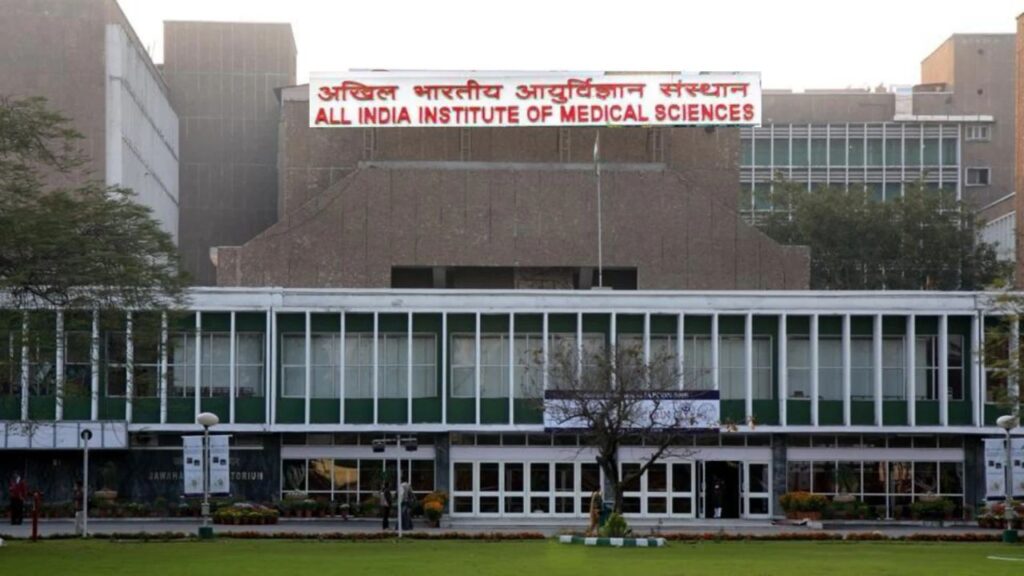
1. All India Institute of Medical Sciences 

Source: AIMS

Ranking#1 in NIRF Medical Rankings 2025
Annual Fees₹1,628 (MBBS)
AdmissionNEET-UG for MBBS, INICET for PG courses
CoursesMBBS, MD, MS, B.Sc. Nursing, MDS

Why AIIMS?

AIIMS Delhi is India’s most prestigious medical college. If you want to be perfect in practical training then it is the best option for you. It provides unmatched clinical exposure, research opportunities, and global recognition with low fees. It offers UG and PG medical programs that deliver enhanced biomedical concepts and training.
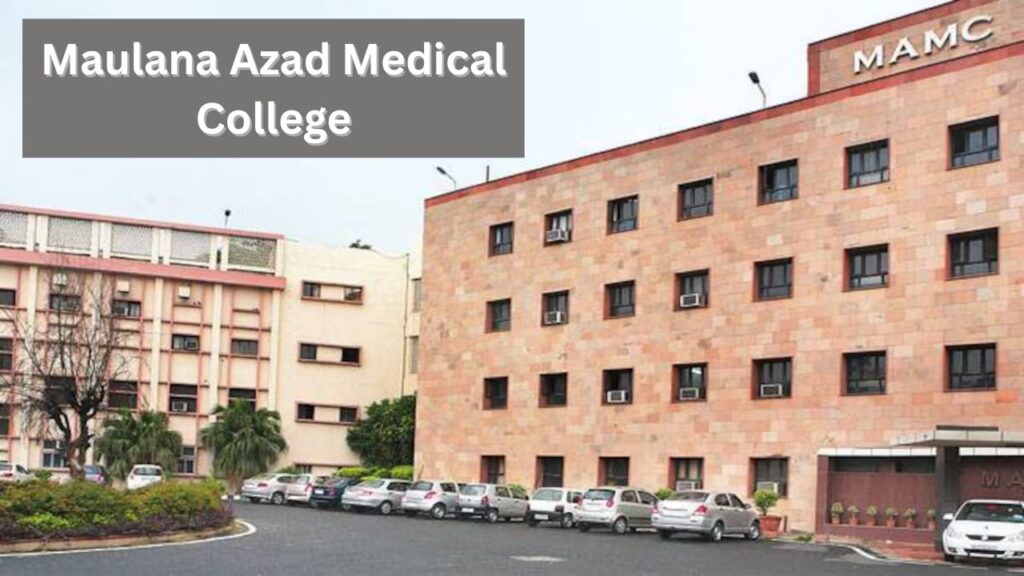
2. Maulana Azad Medical College – MAMC

source: MAMC

RankingAmong the top 5 
Annual Fees₹2,445
AdmissionNEET-UG + Delhi University counselling
CoursesMBBS, MD, MS, Diploma courses

Why MAMC?

MAMC is known for its excellent faculty and top-notch medical training. It’s ideal for those who want the best training for medical procedures. It offers the best clinical exposure due to its affiliation with top hospitals such as LNJP and GB Pant, giving students rich clinical exposure. It also has one of the highest PG entrance success rates in the country.

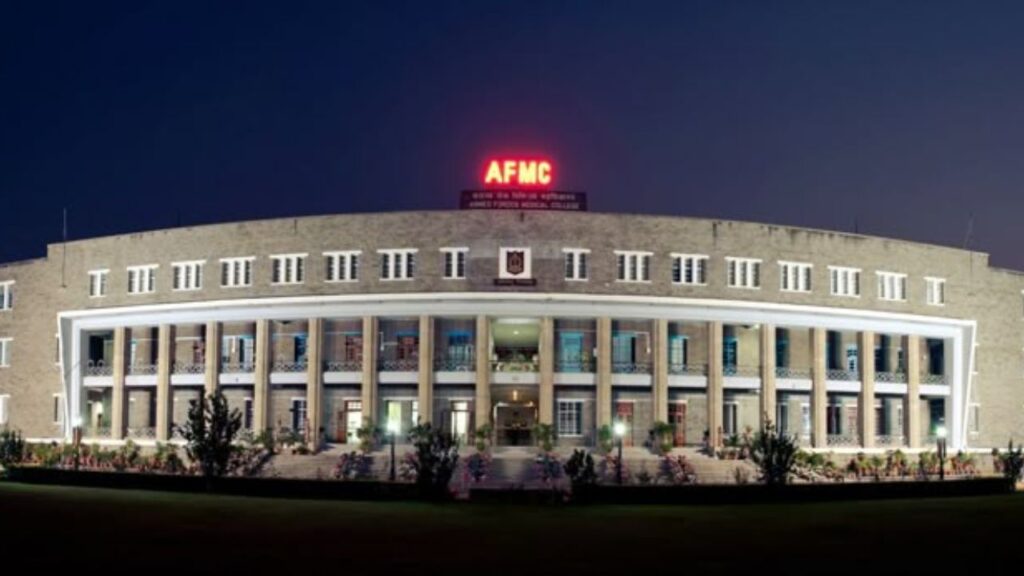
3. Armed Forces Medical College 

source: AFMC

RankingTop 3 medical college for disciplined training
Annual Fees₹31,000 (including hostel and mess)
AdmissionNEET-UG + AFMC screening (interview + medical fitness)
CoursesMBBS, Nursing, PG Diplomas

Why AFMC?

Students who want to be assured of their placement, the AFMC offers students an opportunity in the Armed Forces Medical Services after graduation. Training is best, discipline, and reputation can open up your medical career chances at the next level. However, there is a compulsory service bond after completing MBBS. Students can also get scholarships.

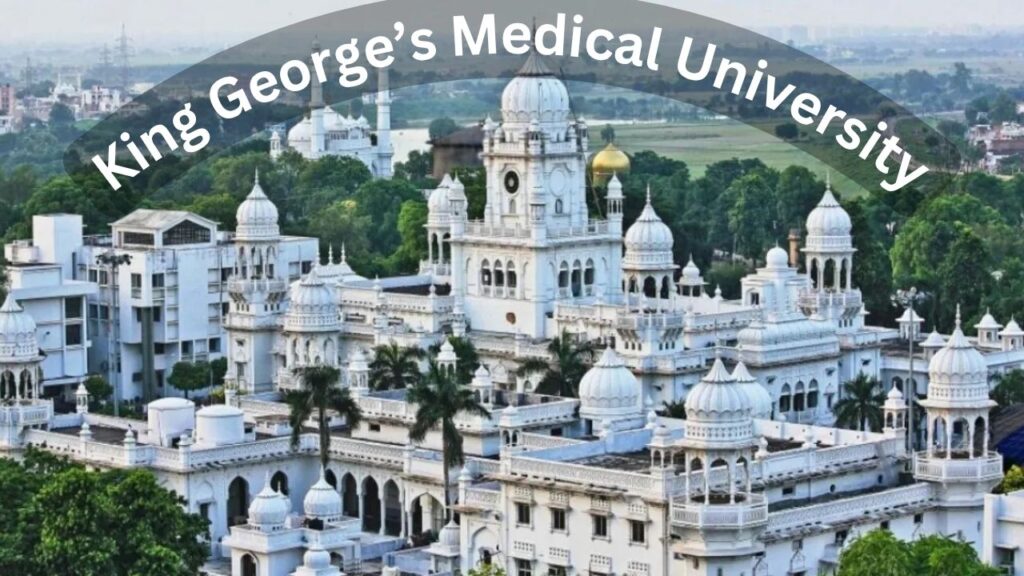
4. King George’s Medical University, Lucknow

Nursing students at King George’s Medical University in Lucknow during clinical training

Source: KGMU

RankingTop 10 as per NIRF 2025
Annual Fees₹54,000
AdmissionNEET-UG for MBBS or other undergraduate programs, NEET-PG for postgraduate
CoursesMBBS, BAMS, Speciality, BDS, MD, MS, Nursing

Why KGMU?

KGMU is one of the best medical colleges for practical training. Thousands of NEET aspirants try to get there for medical courses. It offers advanced labs, highly experienced faculty, and strong placements in both the government and private sectors.

5. Grant Medical College, Mumbai

Grant Medical College, Mumbai

Source: Grant Medical College

RankingAmong the top 15 government medical colleges
Annual Fees₹97,800
AdmissionNEET-UG through Maharashtra State Quota and AIQ
CoursesMBBS, MD, MS, Nursing

Why Grant?

This college is affiliated with JJ Hospital, providing excellent exposure to diverse clinical cases in Mumbai. The disciplined faculty system includes some of the best doctors in the state.

6. Bangalore Medical Research Institute 

Bangalore Medical Research Institute

Source: BMRIC

RankingTop 15 in NIRF
Annual Fees₹70,170
AdmissionNEET-UG via Karnataka KEA counselling
CoursesMBBS, MD, MS, B.Sc. Nursing

Why BMCRI?

BMCRI is one of South India’s best government colleges for NEET aspirants. It is located in Bangalore and is attached to major hospitals like Victoria Hospital and Bowring Hospital. Students mostly wanted to go to this college for postgraduate degrees. 

7. Seth GS Medical College, Mumbai

Seth GS Medical College, Mumbai

Source: Seth GS Medical College

RankingAmong the top 15 medical colleges
Annual Fees₹98,000
AdmissionNEET-UG via Maharashtra CET counselling
CoursesMBBS, MD, MS, Super Specialities

Why Seth GS?

Best medical college in Mumbai for MBBS and other medical programs with its research enhancement. Seth GS Medical College is attached to KEM Hospital, so it delivers advanced education in the medical field. To train their students in the best way possible for hospitals. 

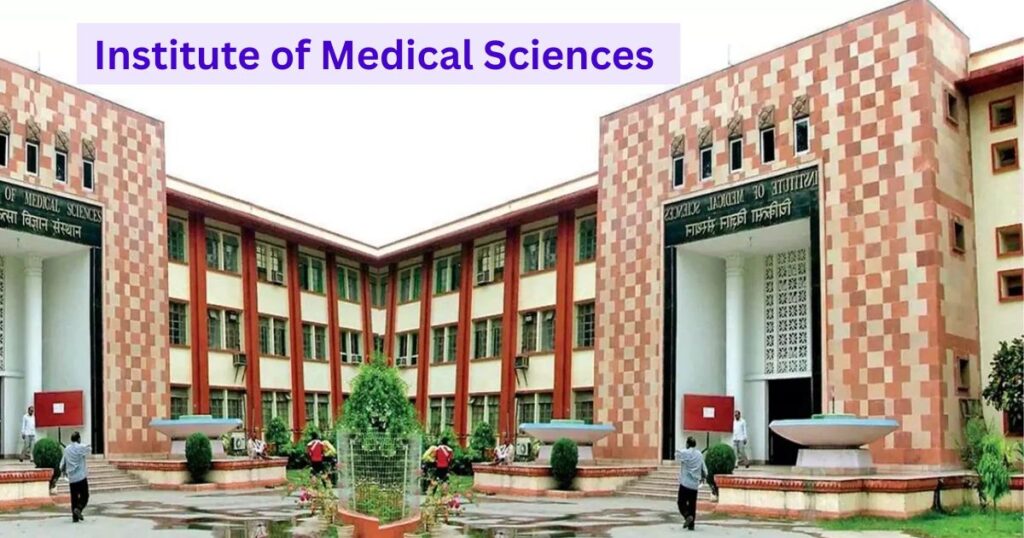
8. Institute of Medical Sciences – Varanasi

Institute of Medical Sciences – Varanasi

Source: IMS-BHU

RankingTop 10
Annual Fees₹13,000
AdmissionNEET-UG + JoSAA/BHU internal counselling
CoursesMBBS, MD, BDS, B.Sc. Nursing

Why BHU-IMS?

BHU-IMS is an academic environment for the medical students to get  well-trained. To become a doctor is what many students dream of, now it’s possible with a low fee structure. It offers strong research support and is ideal for Uttar Pradesh aspirants.

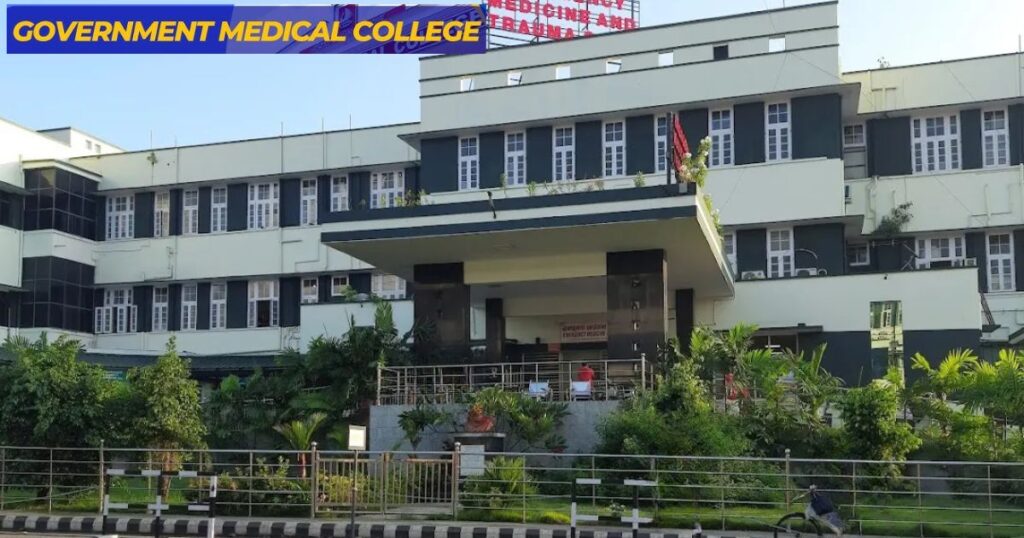
9. Government Medical College, Kerala

Government Medical College, Kerala

Source: Government Medical College

RankingAmong top 20
Annual Fees₹22,000
AdmissionNEET-UG via Kerala KEAM counselling
CoursesMBBS, MD, MS, Paramedical

Why GMC-TVM?

One of Kerala’s oldest and most reputed medical colleges. Students who want to study in an academic environment can get admission to this college. It creates some of the highest-scoring PG aspirants and is known for its patient inflow, excellent teaching, and disciplined academic culture.

10. Madras Medical College, Chennai

 Madras Medical College, Chennai

Source: Madras Medical College

RankingAmong top 15
Annual Fees₹13,610
AdmissionNEET-UG via Tamil Nadu State Quota + AIQ
CoursesMBBS, MD, MS, Nursing, Super Speciality

Why MMC?

MMC college was founded in 1835 and is known for its best medical education. It continues to provide outstanding training and is attached to major hospitals like the Rajiv Gandhi Government General Hospital. Graduates are highly respected in both the government and private sectors.

Note: For exact fee details you can visit the official website of the college and check out.

How to Get Admission in These Colleges?

1. Clear NEET-UG: This is mandatory for all MBBS and other courses in medical admissions in India.

2. Register for Counselling: You can choose either AIQ through MCC or State Quota via the respective state portals.

3. Get your step into the Choice Filling & Seat Allotment

4. The last part after you get shortlisted is Document Verification & Admission Confirmation.

Note: For top colleges like AIIMS, AFMC, and MAMC, your NEET rank should ideally be within the top 1000–5000. 

Career Scope After MBBS

Completing MBBS from a reputed government college gives you several career options, that is the reason why choosing the right college for a medical degree is important:

  • Further studies in the medical field like MD/MS/DM in India or abroad through exams like NEET-PG, USMLE, PLAB
  • Government Jobs in various departments such as AIIMS, ESIC, Railways, State or city Hospitals, Army Hospitals, and many more. It offers you lifetime financial stability and security.
  • Become a doctor in Private Hospitals, or Join Corporate Hospitals, and own the clinic.
  • You can also choose your career in medical research.
  • Health Administration is also an option for you. As a medically certified doctor, you can be an instructor or health reporter.

Conclusion

You don’t always need to pay lakhs to get a quality medical education. These top government colleges prove that quality education, hospital exposure, and low fees can go hand-in-hand. If you’re serious about a medical career in 2025, start preparing for NEET with full dedication, and keep these Top 10 Best Medical Colleges in your target list.

Best Government Jobs in Nagaland

If you are in Nagaland and preparing for a government job, then Best Government Jobs in Nagaland in 2025 has brought a great opportunity for you. This year NPSC and many departments of the state government have released jobs, in which graduate pass candidates can apply.

These government jobs offer permanent posts, good salary and promotion. There are vacancies in departments like Police, Administration, Tax, Art and Culture and selection in them is done through examination.

In the table below we have given a complete list of Best Government Jobs in Nagaland in 2025, which includes job name, department, qualification and official website. Read it carefully and apply at the right time.

Best Government Jobs in Nagaland in 2025

S.No.Job TitleDepartment / OrganizationEligibilityOfficial Website
1Extra Assistant CommissionerDept. of Personnel & Administrative Reforms (NPSC)Bachelor’s degree (any discipline)npsc.nagaland.gov.in
2Deputy Superintendent of PoliceHome Department (Police Establishment) (NPSC)Bachelor’s degreenpsc.nagaland.gov.in
3Block Development OfficerRural Development Dept. (NPSC)Bachelor’s degreenpsc.nagaland.gov.in
4Assistant Election OfficerElection Department (NPSC)Bachelor’s degreenpsc.nagaland.gov.in
5Assistant Research OfficerArt & Culture Dept. (NPSC)Bachelor’s degreenpsc.nagaland.gov.in
6Commercial State Tax OfficerTaxes Department (NPSC)Bachelor’s degreenpsc.nagaland.gov.in
7Inspector (Lokayukta Directorate)Nagaland Lokayukta (NPSC)Bachelor’s degreenpsc.nagaland.gov.in
8Secretariat AssistantPersonnel & Admin Reforms (NPSC)Bachelor’s degreenpsc.nagaland.gov.in
9Sub‑Inspector (Police Establishment)Home Department (NPSC)Bachelor’s degreenpsc.nagaland.gov.in
10Assistant JailorHome Department (NPSC)Bachelor’s degreenpsc.nagaland.gov.in
11Assistant CuratorArt & Culture Dept. (NPSC)Bachelor’s degreenpsc.nagaland.gov.in
12Labour InspectorLabour & Employment Dept. (NPSC)Bachelor’s degreenpsc.nagaland.gov.in
13Information AssistantInformation & Public Relations Dept. (NPSC)Bachelor’s degreenpsc.nagaland.gov.in
14Inspector of Co‑operative SocietiesCo‑operation Dept. (NPSC)Bachelor’s degreenpsc.nagaland.gov.in
15Junior Divisional AccountantTreasuries & Accounts Dept. (NPSC)Bachelor’s degreenpsc.nagaland.gov.in

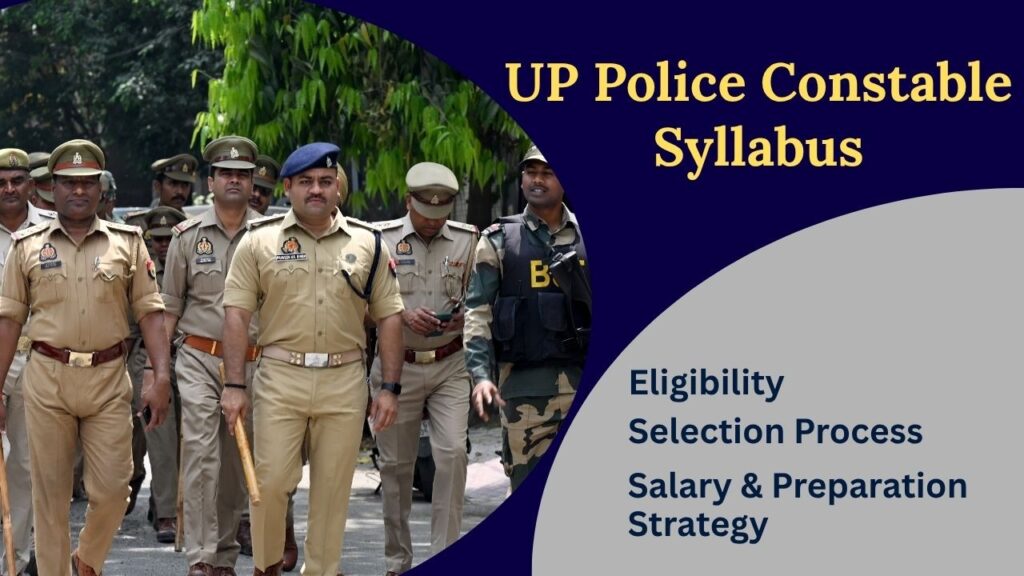
UP Police Constable Syllabus, Salary & Preparation Strategy 

UP Police Constable Syllabus

Getting a government job in India isn’t a cakewalk, and UP Police Constable exam is no exception to it. Every year, thousands of applicants vie for handful vacancies, which is making it one of the popular and toughest exams in the state. With a right approach toward UP Police Constable syllabus, and with persistent preparation, this target is of course achievable. 

If you want to put on the khaki with pride or if you want a stable career with good salary and benefits, this exam could be your ticket. But these benefits asked you to work harder and get it. This breakdown—eligibility, selection process, syllabus, salary, and a practical preparation plan of UP Police Constable will help you plan to crack this exam.

Eligibility Requirement For UP Police Constable

You need to check eligibility requirements before buying books for studying UP Police Constable syllabus and doing push ups. UPPRPB is recruiting candidates for this post under strict guidelines. So you must follow before applying: 

Educational Qualification 

No fancy degrees are required for a UP Police Constable. Candidates must acquire 12th standard (Intermediate) marksheet from any recognized board in India. 

Age Limit 

Male Candidates (General) 18 to 25 years 
Female Candidates (General) 18 to 28 years 

Reserved category candidates can get age relaxation but you must check the latest recruitment official notification to know age relaxation. 

Physical Standards (PST) 

CategoryUR/OBC/SCST
Height for Males168 cm160 cm
Chest for Males79–84 cm77–82 cm
Height for Females152 cm147 cm
Weight for FemalesMinimum 40 kgMinimum 40 kg

UPPRPB Selection Process For UP Police Constable

It’s not just one written exam here, you must pass all the stages to reach that position. It requires commitment and hard work for securing an honourable government job for the nation.

Stage 1: The Written Examination

It’s a written offline OMR-based exam. Candidates have to get above the cut off marks by answering all the MCQs accurately then you move on to the physical rounds. Questions come from the four main subjects (GK, Hindi, Mathematics, Reasoning).

Stage 2: Verify Docs And Physical Standard Test (PST)

Once you qualify stage 1 with preparation and hard work, you need to provide documents– 10th/12th mark sheets, caste certificates, domicile papers for verification. And your body measurements like height, weight and chest (men) will be taken to pass you on to the next stage of selection.

Stage 3: Physical Efficiency Test (PET)

PET is a mandatory exam for candidates without getting marks. This final round can throw you out of the list if you fail. 

  • Running for a 4.8 km run in 25 minutes is a mandatory test for male candidates. 
  • If you are a woman then you must be able to run 2.4 km in 14 minutes.

Stage 4: Detailed Medical Examination (DME)

Physical and mental health matters for this job, it has regulations if you have weak eyesight, color blindness, hearing, flat feet, knock knees. 

UP Police Constable Syllabus Breakdown

The written test contains 150 questions which is of 300 marks (2 marks per question). But be careful, there’s negative marking!  

The written exam is divided into four main subjects which you can qualify with right preparation on the syllabus.

I. General Knowledge (38 Questions)

Knowing about the world revolves around you, especially Uttar Pradesh is necessary. GK tests you based on the questions based on national and international current affairs, History/Civics, Geography, Science and Finance of India.

II. General Hindi (37 Questions)

If you attended a Hindi-medium school, this is your section to score. Even if you didn’t, you can get good marks by doing some basic grammar practice. Focus on Hindi Grammar (Vyakaran) , Unseen Passage, Famous writers & their work, Synonyms, Antonyms, Idioms and Phrases (Muhavare). 

III. Numerical and Mental Ability (38 Questions)

Question comes from basic mathematics of 9th and 10th, if you are good at maths then practice daily on Number systems, Percentages, Profit & Loss, Ratio and Proportion, Simple & Compound Interest, Time, Work & Distance, Mensuration and Data Interpretation (Tables and Graphs). 

IV. Mental Aptitude, IQ & Reasoning Ability (37 Questions)

This part examines your mind and thinking ability, and also tells you how you could potentially think in police work situations. Coding-decoding, Series, Blood Relation, Direction Sense, Syllogism, Venn Diagram, Non-Verbal (Pattern and Figure). There will also be situation based questions to test your attitude towards public interest, laws and order, communal harmony and police force. 

How to Prepare For A Police Constable

Avoid beginning to study with difficult mock tests. Instead, strengthen your foundation with standard books like Lucent GK, R.S. Aggarwal (Math & Reasoning) and a good hindi grammar book.

Keep practicing last year’s question papers. They give you a clear idea about the exam level and the types of questions that are asked. UPPRPB also has a penchant for posing questions similar (even a same question sometimes) to what they had already asked. 

Once you have completed about 60-70% of the syllabus, begin attempting full-length mock tests. Use a timer when you practice so you can work on your speed and accuracy. Check your mistakes to correct them each day. 

Don’t neglect physical fitness. Most candidates qualify the written exam but they are unable to clear the 4.8 km run. Something as simple as a 30-minute jog each day will smoke out your stale lungs and build your stamina. 

So, for the present events keep it simple. Just subscribe to a good monthly magazine (eg. the Economist) or a decent Youtube channel and don’t bother with the dailies. 

Salary and Perks After Getting a Job

UP Police pays its constables quite a good salary with additional perks that makes it worth the struggle to secure a position.

CategoryAmount
Pay ScaleRs. 5,200 – 20,200
Grade PayRs. 2,000
Basic Pay MatrixRs. 21,700

Under the 7th Pay Commission, the salary is distributed but other allowances also given to the constable which sum up to Rs. 27,000 to Rs. 32,000 per month.

  • Dearness Allowance (DA)
  • House Rent Allowance (HRA)
  • Travel Allowance (TA) & City Compensatory Allowance.
  • Ration Money & Uniform Allowance

Career Growth & Promotions 

A government job is not just a job, it is a career for a lifetime. Joining as a Constable does not imply that you will retire with that rank. The UP Police is providing a transparent path for promotions along the years of services, departmental exams and your performance record. 

  1. Police Constable (Your starting point)
  2. Senior Constable
  3. Head Constable
  4. Assistant Sub-Inspector (ASI)
  5. Sub-Inspector (SI)
  6. Inspector

If you have the ambition, you can appear for departmental exams for Sub-Inspector which will speed up your promotion rather than waiting wholly on seniority. An honest and sincere police officer can easily get retired as Inspector and in some rare cases even as DSP (Deputy Superintendent of Police) from the post of Constable with the blessing of the Almighty. 

Read More:-  Banking Job vs SSC Job: Details On The Top Government Jobs 

Conclusion

Passing the UP Police Constable exam is a challenge for mind and body. It needs a balanced approach, practicing math and checking daily news then getting up to run on the track. 

Focus on UP Police Constable Syllabus and your health to secure your position. The large number of applicants is not to be discouraging. You just need to prepare yourself for one seat.

The salary and additional perks are good with lifetime growth opportunities in the department, so there’s a golden door, you just need to jump long.

Scroll to Top