Agniveer Army New Vacancy Notification 2026: Everything You Need to Know Before You Apply

Agniveer Army New Vacancy

Many Indian students dream to serve the nation in olive green uniforms and make their parents. Agniveer Army New Vacancy Notification 2026 is a golden chance for those students to make everything possible but for that, students must understand the entire process of selection so they don’t have to get upset later.

The Indian Army has opened its door for 25,000+ candidates and you can be one of them. Here are the full details of job responsibilities and further details of Agniveer Army Recruitment 2026.

Agniveer Army New Vacancy Notification 2026

Agniveer Recruitment 2026 is on-going and the notification was released on 12/February/2026 in which all the details are provided for the candidates. The official site declared a total 25,000+ vacancies for different roles but you must check everything before taking a precise decision for their career.

Mark These Dates

EventDate
Notification Released12/February/2026
Online Application Started13/February/2026
Last Date to Apply (Extended)10/April/2026
CEE Exam Date1/June – 16/June 2026
Recruitment RallyTo be announced zone-wise
Result / Merit ListAfter CEE and Rally

If you missed the date then start your preparation for the next notification to apply.

What About Indian Army Agniveer Job?

The Indian government launched Agnipath Yojana in 2022 in which young men and women are recruited for the fixed tenure of four years in the Indian Army Force. During this period, the selected candidates are considered as active soldiers who trained, deployed and paid to serve their nation.

After completing these four years, 25% of Agniveers are selected for permanent enrolment in the Army. It is highly based on performance and loyalties. The rest of the Agniveers are released from their duties with a financial package called Seva Nidhi, along with a certificate of your skills which is valuable.

In other words, it is a launch pad where you get military training, discipline, courage, salary, and a guaranteed skill set that opens many doors for you in many departments.

Agniveer Army New Vacancy Job Responsibilities

The job responsibilities depends on role, which role you have joined and what are your expertise, your day-to-day duties may include: 

  • Guarding borders and carrying out patrolling operations
  • Operating weapons systems and maintaining equipment
  • Assisting in disaster relief and humanitarian operations across India
  • Providing logistical and administrative support at Army units
  • Participating in counter-terrorism operations under senior officers
  • Maintaining and repairing technical equipment (for technical posts)
  • Providing medical support at field units (for nursing assistant posts)

Every soldier gets quality training to carry out such operations. They get posted across India depending on requirement. 

Education Qualification For Indian Agniveer Army 2026

Different posts require different educational qualifications. Here are the mentioned posts with their highest qualifying education.

PostEducational Qualification
Agniveer General Duty (GD)Class 10th, 45% aggregate, 33% per subject
Agniveer TechnicalClass 12th with Physics, Chemistry, Maths — 50%
Agniveer Clerk / Store Keeper TechnicalClass 12th — 60% aggregate
Agniveer Tradesman (8th pass)Class 8th pass
Agniveer Tradesman (10th pass)Class 10th pass
Agniveer Nursing AssistantClass 12th with Physics, Chemistry, Biology — 50%
Havildar EducationGraduation in relevant subject
Sepoy PharmaD.Pharma (Diploma in Pharmacy)
GD (Women Military Police)Class 10th, 45% aggregate

There are posts that require only the 8th and 10th marksheet, so this is an opportunity for the students who wanted to apply early.

Eligibility Requirement For Agniveer Army New Vacancy Notification 2026

  • The minimum and maximum age limit is very strict – 17.5 to 21 years. There is a 22 year upper limit for GD Women Military Police post. For Sepoy Pharma, 19 to 25 years and Technical soldier has 17.5 to 23 Years.
  • No married men and women are eligible for this post.
  • Remember that only Indians can apply for this job. 
  • Both female and male candidates are eligible for this job but women usually prefer GD post.

Application Fee: Agniveer Army New Vacancy Notification 2026

General / OBC / EWS ₹ 250/- 
SC / ST  ₹ 250/- 

The payment can be completed via online mode using debit/credit/IB/or UPI. The fee is non-refundable, so check your eligibility criteria before applying for this job.

CRPF Constable Tradesman Recruitment 2026 Apply Easily

How To Proceed With The Application for Agniveer Army New Vacancy?

  1. Make your documents ready, to apply go to the Indian Army Agniveer official site to check 2026 Notification.
  2. Once you have read the notification, you can click on the application portal link to fill in the details. Login to your account or register yourself with a valid mobile number and email ID.
  3. Fill personal details, educational qualifications, and post preference carefully and review them.
  4. Upload documents (educational, photo, signature, ID) and submit the application.
  5. Complete the payment process and download the application on your device.

Selection Process For Agniveer Army New Vacancy

Stage 1: Common Entrance Examination (CEE) 

It is an online exam for the Agniveer Army New Vacancy with question based on the topics from 

  • General Knowledge & Current Affairs
  • General Science
  • Mathematics
  • Logical Reasoning

The exam level also varies according to the post you are applying for. Technical posts have more questions from Physics, Chemistry and Mathematics which are more advanced and you need more subject knowledge and problem solving skills. 

As for clerk posts, they tend to test you more on English grammar and reading comprehension to see how accurate your language is and how well you can understand what you’ve read. 

Agniveer Army New Vacancy Exam Pattern

It is a Multiple-Choice Question from relevant subjects, total marks, and negative marks depending on the specific role you are applying for.

General Duty (GD) & Tradesman: It is a 10th grade difficulty level exam focused on basic knowledge, 60 minutes time given to finish in which you get 2 marks for right answer and lose 0.5 marks for wrong answer.

SubjectNumber of QuestionsMax Marks
General Knowledge1530
General Science1530
Mathematics1530
Logical Reasoning510
Total50100

Technical Branch: Questions have 12th grade difficulty level heavily focused on science subjects. 60 minutes time given to finish in which you get 4 marks for the right answer and lose 1 mark for the wrong answer.

SubjectNumber of QuestionsMax Marks
General Knowledge1040
Mathematics1560
Physics1560
Chemistry1040
Total50200

Clerk / Store Keeper Technical : This is the most extensive exam. It is focused on your english skills along with general knowledge and it is divided into two parts but time is extended for this paper, 120 minutes. You get 4 marks for right and lose 1 mark for wrong answer but you must secure 32 marks in both parts.

PartSubjectNumber of QuestionsMax Marks
Part 1General Knowledge520
General Science520
Mathematics1040
Computer Science520
Part 2General English25100
Total50200

Agniveer Technical Nursing Assistant: Exam is heavily focused on Biology and chemistry on a 12th grade difficulty level. You have given 60 minutes to earn 4 marks for the right answer but be careful because 1 mark can cut for wrong answer.

SubjectNumber of QuestionsMax Marks
Biology1560
Chemistry1560
General Knowledge1040
Physics520
Mathematics520
Total50200

Havildar Education : This exam is divided into papers and focused on more detailing because for the role of educators and teachers within the military, you must secure 40% in each paper. 

  • Paper 1 covers General English, General Awareness, and Teaching Aptitude 
  • Paper 2 covers the relevant subject, Computer Science for IT sector, Physics and Maths for science, and History and Political Science for Arts stream.

Sepoy Pharma : 120 minutes given for both parts in which you must secure 40 marks in Part 1 and 60 marks in Part 2. You earn 2 marks for right and lose 0.5 marks for the wrong answer.

PartSubjectNumber of QuestionsMax Marks
Part 1General Knowledge2550
General English2550
Part 2Pharmacy I (Chem, Anatomy, etc.)3060
Pharmacy II (Pharmacology, etc.)2040
Total100200

Stage 2: Recruitment Rally 

Candidates who have cleared the CBT exam are called to attend the physical rally for their physical fitness, physical measurement, and medical examination along with document verification.

Physical Fitness For Agniveer Army New Vacancy

  • 1.6 km run (must be completed within the qualifying time)
  • Pull-ups / Beam
  • 9-foot ditch crossing
  • Zig-zag balance

Physical Measurement Test (PMT):

  • Height: minimum 160 cm for most posts (varies by category and post)
  • Weight: proportionate to height
  • Chest expansion: minimum 5 cm

Medical Examination

Full body check up for overall fitness is mandatory along with eyesight, flat feet, and hearing check ups are under Army-standard medical check. It must be fast and quick to secure this job. 

Document Verification 

Your ID, educational certificates, domicile certification are checked at this stage. Candidates must take original documents not a copy of it and those who don’t have their exams marksheet yet, they can apply but must produce the original marksheet at the rally. 

Structure And Promotion: Agniveer Army New Vacancy Salary

Year of ServiceTotal PackageIn-Hand Salary
Year 1₹30,000/month~₹21,000/month
Year 2₹33,000/month~₹23,100/month
Year 3₹36,500/month~₹25,550/month
Year 4₹40,000/month~₹28,000/month

There are additional allowances in this job including Risk and Hardship Allowance, Ration, Dress, Travel Allowance. The Life Insurance package which provides you with any medical care during the service is about ₹48 lakh.

Conclusion of Agniveer Army New Vacancy

If you are young, musically fit and want to serve the country, Agniveer is currently one of the best options in India. You start getting paid day one, world class military training, government benefits and a future that is a hell of a lot more secure than most private sector jobs when you’re this young. 

If you missed Agniveer Army New Vacancy Notification 2026 then wait for the next cycle which will probably begin in early 2027. Begin your physical training now. Practice your maths, your general knowledge and your science. And when notification drops, apply with no-holds-barred.


Leave a Comment

Your email address will not be published. Required fields are marked *

Time Management Tips for Students and Government Job Aspirants

Time Management Tips

The reality is that most people don’t have a problem with time. They have a problem with managing time. The Time Management Tips for students and government job aspirants is important. For instance, two students may have identical 24 hours, the same syllabus, and the same exam date — yet end up in completely different places on result day. It’s because almost always how they spend their hours. 

This guide analyses the time management principle that really applies for us Indians — students in school & college, competitive exam aspirants for SSC, RRB, UPSC, banking and state-level, entrance exam students aiming for IIT, NEET, or law entrances, and working professionals attempting to study after holding a full day at the office. The circumstances may vary, but the fundamental discipline is one and the same. 

Why Time Management Tips Actually Matters 

It’s not that they don’t know “time management is important,” it’s just that no one actually has time to do it, not that they need it any more than the rest of us do. For exam candidates in particular, bad time management means not only less revision. It has three very real and very specific costs. 

First, it makes your syllabus look bloated. A topic that should take roughly three weeks gets stretched out over two months, not because it’s difficult, but because you’re learning in fragmented, distracted sessions rather than in concentrated blocks. 

Second, it kills your mock test performance. Candidates who are poor at managing their prep time tend to be procrastinators and pick up the easy topics first and push the difficult topics towards the end, so that by the time mocks begin, half the syllabus feels like a stranger under exam pressure. 

Third, and this is the one no one talks about nearly enough, it destroys your confidence. When you’re always feeling “behind,” you begin to question your own competence, even though the real problem was never intelligence — it was planning. 

Effective time management is not a matter of finding more hours in the day. It’s realizing that you actually already have the time, you just need to make it work. 

Time Management Tips for Students

Students who are balancing regular academics, tuition and assignments along with personal life also need a system which is practical and not a strict timetable copied from a top scorer’s Instagram post. 

Start with a weekly map, not a daily one. Daily to-do lists come crashing down as soon as one thing goes wrong — a pop quiz, a family gathering, feeling too tired. A weekly perspective allows you to reschedule your responsibilities without thinking you are having a bad day. Block out any non-negotiable obligations (class time, work, sleeping) and then plan your study periods around those. 

Use the “two-subject rule” for evenings. Attempting to cover every topic every day tends to result in none of them being covered very well. Choose two topics each night and dive in, cycling through the week. Depth outperforms breadth in terms of real retention. 

Protect your first hour after school. Most students spend the golden hour after school on their phones scrolling “just for ten minutes” which ends up being ninety. That first hour, when the day’s lessons were still fresh, was the best time for revision — not for new topics. 

Treat sleep as part of your study plan, not separate from it. Sleep deprivation to “make more time” is the most common error students make, and it backfires almost every time. Retention falls off a cliff with poor sleep, so those extra two hours often result in less learning than one focused hour on a well-rested brain. 

Time Management Tips for Government Job and Recruitment Exam Preparation

Preparation for government exams — SSC CGL, SSC JE, RRB NTPC, RRB ALP, Agniveer, UPSSSC, banking exams, state PCS has its own trap: it has a huge, fixed syllabus that remains more or less unchanged every year, making it very easy to remain stuck in a “preparation phase” without feeling ever ready. 

Reverse-engineer your timeline from the exam date, not from the syllabus. Most aspirants begin by telling themselves “I’ll finish RC, quant, then GK” without even assessing if that speed is even sustainable till the exam. Count backwards instead: How many weeks are there until the exam, how many subjects do you have to learn, and how many practice tests do you want to do before the D-day. This one change detects date problems three months in advance rather than three weeks before the test. 

Separate “learning time” from “practice time” clearly. Many candidates confuse these two processes — theory reading and question practice in one session and slow themselves down in both. Assign some fixed duration blocks solely for concept learning, and some solely for solving past year papers & mocks in a timed environment. They develop different abilities.

Make a weekly slot for current affairs you gear towards a level, don’t squash it in as a bit of leftover time. For exams like ssc, rrb,state level recruitment exam current affairs/general awareness is often pushed to “whenever i find time to study”,which is usually never. Settle for one or two brief daily sessions instead of waiting for free moments that never come. 

Mock tests deserve a full time slot, not a rushed one. Scheduling simulation the real exam length is as important as doing the questions. Your practice test should honor that 90 minutes of pressure since it should help simulate the real exam (and the review afterward) — not just the solving. 

Time Management Tips for Entrance Exam Aspirants

Entrance exams such as JEE, NEET, CLAT, and CUET operate on a different time scale as compared to the recruitment exams – they meld board exam stress with competitive exam intensity, and that too, in the same academic year. 

Sync your school syllabus and entrance syllabus instead of running two separate tracks. An enormous portion of time is wasted due to students studying the same subject chapter twice — once for boards, and once for the entrance exam in entirely separate sittings. Studying the two simultaneously, at entrance-level depth from day one, is months ahead of the full prep cycle. 

Rotate subjects daily instead of exam-cramming one at a time. These exams cover more than one subject at a time, so you have to keep your mind warmed up in all of them and not just be sharp on one subject and rusty on the others. A steady rotation — even if uneven in the number of hours per subject, keeps all the subjects “alive” in your mind. 

Track mistakes, not just completed chapters. Sorting out what you have achieved in the syllabus feels productive, but it doesn’t tell you information about what is actually going wrong. Keep a list of mistakes you make again and again when doing practice questions — that list is your revision material that will be the most efficient in the last month. 

Read More 👉 Data Science vs AI: Which Career Is Better?  

Time Management Tips for Working Professionals Preparing Alongside a Job

This may be the most difficult version of the problem since the constraint is not motivation — it’s literally hours in the day. Working professional-level test such as a government exam or a career-switch entrance exam does not have the luxury of a 8-hour study day. 

Accept the 90-minute reality and plan around it. The majority of working people truly have only about 60 to 120 minutes of concentrated work time in a day, divided between early morning and late evening. Struggling against this reality by aiming for 5 hours a day is just setting yourself up for failure and guilt. Schedule for the attainable during a weekday, and save the heavy-duty work for weekends — full-length mocks, madly difficult topics, revision marathons. 

Use commute and break time for low-effort, high-repetition tasks. Formulas, vocabulary, current affairs and short revision notes can easily be crammed into a commute or a lunch break. Save your truly fresh, high-powered hours — typically in the morning for the subjects that actually demand thinking of the deep kind. 

Don’t try to “catch up” by sacrificing entire weekends repeatedly. Burnout for working professionals generally results from this very pattern: lean weekdays, and then trying to fit a week’s worth of goals into Saturday and Sunday. It lasts for a couple of weeks, then crumbles. A sustainable pace beats a heroic one that quits come month three.  

Tell your workplace and family what you’re doing, even loosely. Candidates who do not share details of their preparation for the exam generally end up with more distractions during their study sessions as no one with whom they dwell or live is aware that those hours are sacrosanct. A modest notice - “I study from 6 to 7:30 every day” – cuts interruptions more effectively than any planner or app could. 

The One Habit That Ties All of This Together

Across students, government exam aspirants, entrance candidates, and working professionals, the single most useful habit is the same: reviewing the week, not just planning it. Most people plan on Sunday and then never look back until the next Sunday. Spending fifteen minutes reviewing what actually got done versus what was planned and being honest about why the gap happened is what turns a time management system from a wishlist into something that actually works over months of preparation.

Time management Tips for exams was never really about finding more hours. Every aspirant, regardless of which exam they’re preparing for, is working for the same 24 hours as everyone else. What separates a good result from a missed one is usually not effort — it’s whether those hours were spent on the right things, at the right time, consistently enough to matter.

Conclusion

Time management tips for students and government job aspirants is important for sustaining consistency in preparation for SSC, UPSC, RRB, banking, work, or JEE, NEET exams. Begin with attainable goals in mind, focus on the most important things, check in on your progress each week, and then rest appropriately. Little bit of betterment you make up every day adds together over months of training. 

Nainital Bank Recruitment 2025: Clerk, PO, SO Exam Date & Details

Nainital Bank Recruitment 2025

Nainital Bank Recruitment 2025: Nainital Bank invites applications from eligible candidates for the posts of Clerk CSA, PO and SO. The application process started on 12 December 2025 and the last deadline for applying is 01/January/2026. The candidates need to be 21 years old at least and the maximum age limit is 40 years. For more information visit the official website to see the notification. 

EventDate
Online Apply Start Date12/December/2025 ​
Online Apply Last Date01/January/2026 ​
Last Date for Fee Payment02/January/2026 ​
Exam Date18/January/2026 ​
Admit Card ReleaseBefore Exam 
CSA CLERK Form FeesRs. 1000
PO/SO Form FeesRs. 1500

The Eligibility For the Clerk CSA, PO and SO Recruitment

The age limit for different posts in Nainital Bank are: While the candidates for the posts of CSA, PO and IT officer must be aged between 21 to 32 years. The age limit for the posts of Manager IT and Manager Risk (Grade-II) is from 25 years to 35 years. Likewise, applicants for the posts of CA or Manager-Law (Grade-II) must be 25 to 40 years of age. Nainital Bank also grant the relaxation of age as per policy. 

Read More 👉 UPSC CDS 1 Recruitment 2026 Notification, Eligibility, Application Dates Guide

Total Vacancy For Nainital Bank Recruitment 2025

The agency has declared 175 jobs in different posts. These are 71 vacancies for the post of Customer Service Associate (CSA) / Clerk, 64 vacancies for Specialist Officers (SO) and 40 vacancies for Probationary Officers (PO). Eligible aspirants may apply for the posts applicable to them after reading the instructions. 

Follow These Steps To Apply Online

  • Browse the official website of Nainital Bank and go to the Recruitment tab. Click on the link for Nainital bank Recruitment.
  • Log in with your username and password and fill out the multi-page form one relevant step at a time with your personal information, education, employment, and post preferences. 
  • Kindly upload your latest passport size photograph and signature in the given format. 
  • Attach you valid documents which support your claim of education qualifications and ID proof.
  • Pay the application fee online through various payment methods, and finalize the application by click on submit. 
Online FormClick Here
Official NotificationClick Here
Official WebsiteClick Here

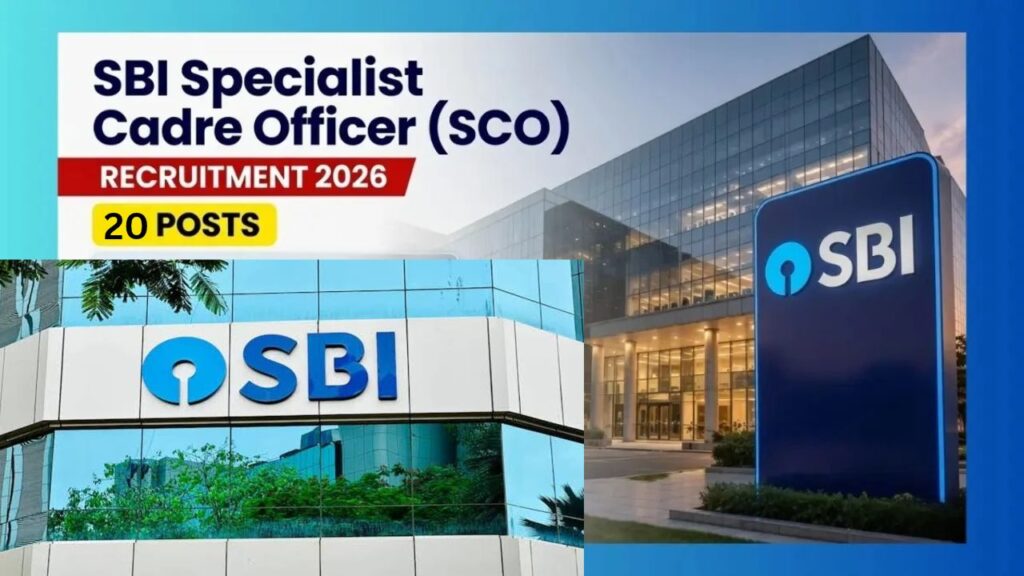
SBI Specialist Officer Online Form 2026: Direct Link to Apply

SBI Specialist Officer Online Form 2026

SBI has opened the online application window for its latest Specialist Cadre Officer (SCO) recruitment for the candidates who are interested in the SCO Senior Vice President, Trade Finance Officer, Risk Specialist, Research Analyst, Chartered Accountant posts. Eligible candidates can apply online from 20 November 2026 to 10 December 2026 through SBI’s official careers page.

Particular Details
Recruiting organisation State Bank of India (SBI)
Recruitment name Specialist Cadre Officer (SCO) Recruitment 2026
Advertisement number CRPD/SCO/2026-27/31
Post name Data Scientist
Total vacancies 20
Application mode Online only
Online application dates 20 November 2026 to 10 December 2026 
Official application page Click Here

SBI Specialist Officer Important Dates For Recruitment

Event Date
Online registration begins 20 November 2026 
Last date for online registration 10 December 2026
Last date for fee payment 10 December 2026
Admit card  Update Later
Exam Date  Update Later

SBI Specialist Officer Eligibility and Vacancy Details

Post Vacancies Grade Age limit as on 31 October 2026 Educational qualification Experience
Chief Manager (Data Scientist) 2 SMGS-IV 27–37 years B.E./B.Tech/M.Tech in relevant discipline, or specified postgraduate qualification; at least 60% marks. 5–6 years in AI/ML, as per post requirement.
Manager (Data Scientist) 14 MMGS-III 26–36 years B.E./B.Tech/M.Tech in relevant discipline, or specified postgraduate qualification; at least 60% marks. 3–5 years in AI/ML, as per post requirement.
Deputy Manager (Data Scientist) 4 MMGS-II 24–32 years B.E./B.Tech/M.Tech in relevant discipline, or specified postgraduate qualification; at least 60% marks. 3–4 years in AI/ML, as per post requirement.

How to Apply Online for SBI Specialist Officer Online Form

SBI also provides the detailed advertisement alongside the apply-online link. Candidates must read the official notification before submitting the form. 

  1. Visit the official SBI careers/current-openings page.
  2. Find Advertisement No. CRPD/SCO/2026-27/31.
  3. Download and carefully read the detailed advertisement.
  4. Click APPLY ONLINE.
  5. Register with a valid email ID and mobile number.
  6. Fill in personal, educational, professional and experience-related details.
  7. Upload the required documents in the prescribed format and size.
  8. Pay the application fee, if applicable.
  9. Check all entered details and submit the final application.
  10. Download and retain the application confirmation/fee receipt for future reference.

Read More 👉  UPTET 2027 Online Form – Apply Online, Eligibility, Exam Date

SBI Specialist Officer Application Fee 


General / OBC / EWS  750/- 
SC / ST / PH  0/-

SBI Specialist Officer Selection Process

The selection process may include one or more of the following, depending on the post:

  • Shortlisting based on qualification and experience
  • Online written examination, if applicable
  • Interview
  • Document verification
  • Medical examination

The final mode of selection for each post must be confirmed from the official advertisement.

Documents Required For SBI Specialist Officer

  • Recent passport-size photograph
  • Signature
  • Educational qualification certificates
  • Experience certificates, if required
  • Category certificate, if applicable
  • PwBD certificate, if applicable
  • Valid photo ID proof
  • Email ID and mobile number

SBI Specialist Officer Online Form 2026 Direct Link To Apply

Notification  Click Here
Online Form Click Here
Official Website  Click Here


Top 10 MBA Colleges in Lucknow You Shouldn’t Miss in 2025

Top 10 MBA Colleges in Lucknow You Shouldn’t Miss in 2025

If you are interested in the field of management then pursuing an MBA is a great thought while there are a bunch of options for your career after an MBA. Top 10 MBA Colleges in Lucknow that offer an MBA program, it is a professional degree in management education. You don’t have to relocate for your masters, because Lucknow is emerging as a growing city for higher education. 

MBA offers quality education and strong placements to establish a balanced lifestyle. Whether you’re aiming for India’s top-ranked IIM or looking for a college with good ROI and decent exposure, this article will help you explore the top 10 MBA colleges in Lucknow in 2025.

The list is based on the rankings, fees, and placement percentage from these universities. Investing two precious years of your life in an MBA program should be effective for future growth.

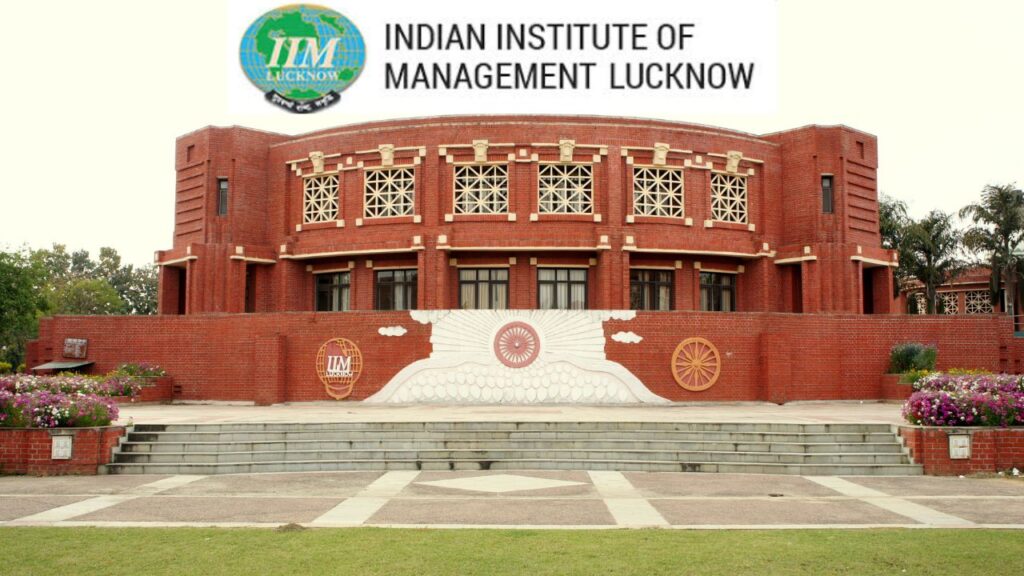
 Indian Institute of Management (IIM-L)

IIM-L has a great reputation around the world since 1984, it’s one of the top IIMs in India. This institute is listed in the top 10 colleges in NIRF and Business Today rankings. Pursuing an MBA from this college could open up many opportunities. IIM Lucknow is best for students who aim for leadership roles in global companies.

Fees₹19–21 lakhs
Average Package₹30 LPA+ (with international offers crossing ₹1 Cr)
AdmissionCAT + Personal Interview
Why Choose IIM-L?Top Level Faculty, Global companies exposure, unmatched placements, IIM prestigehttps://www.iiml.ac.in/

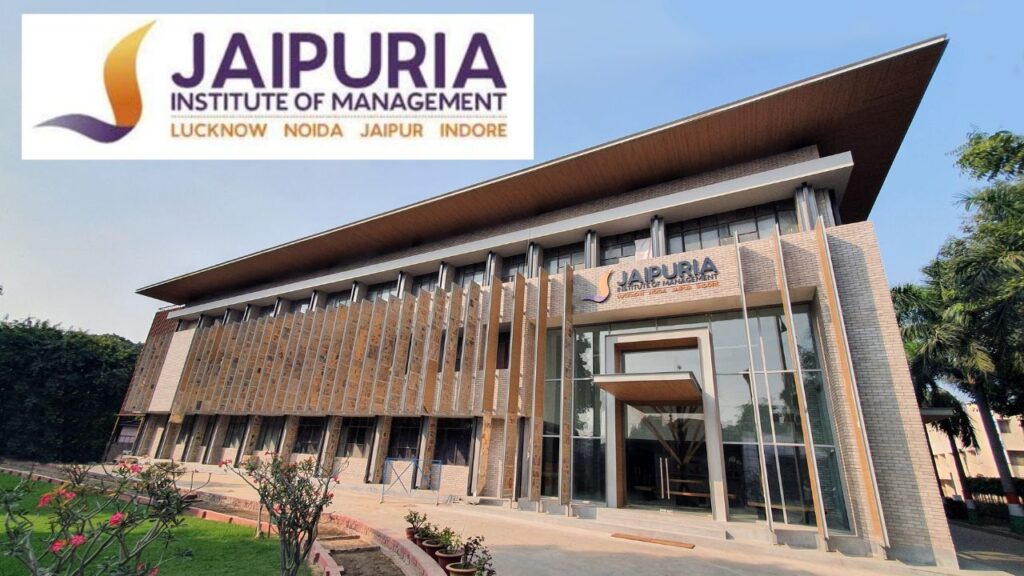
2. Jaipuria Institute of Management (JIM)

 Jaipuria Institute of Management (JIM)

Jaipuria is a private business school for those who don’t want to be pressured by heavy competition in IIM-L. Jaipuria Lucknow is recognized by its advanced education techniques including practical learning, industry level projects, and decent placements. Ideal for those who want to establish their education strong.

Fees₹10–14 lakhs
Average Package₹7.5 LPA
AdmissionCAT/XAT/CMAT/MAT
Why Choose?Good balance of brand, placements, and industry-oriented curriculum

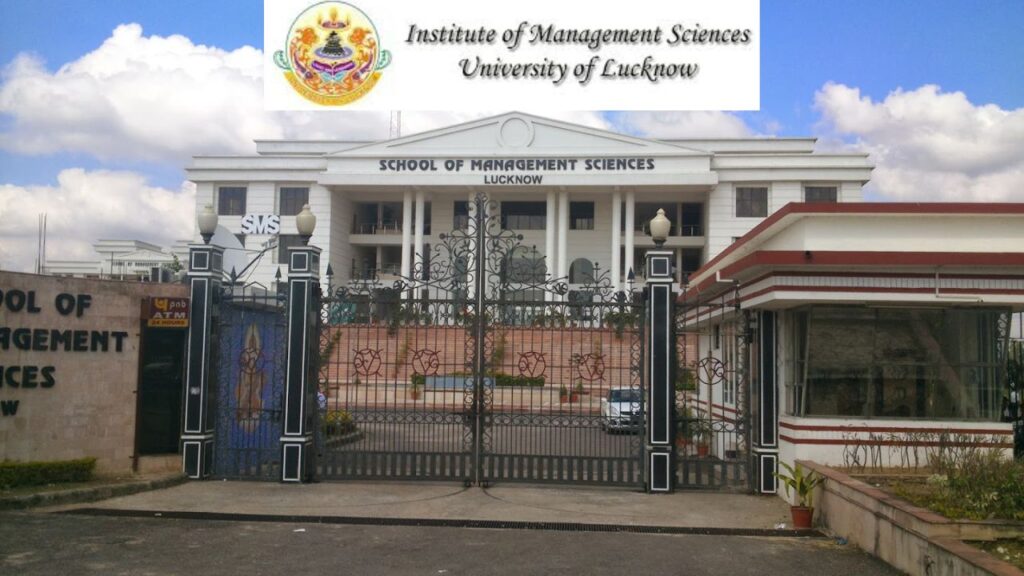
3. University of Lucknow – Institute of Management Sciences

University of Lucknow - Institute of Management Sciences

IMS is a great option for those who can’t afford expensive colleges for MBA programs. It is affordable and offers government-affiliated MBA programs. Lucknow university maintains its management department quite well to provide masters that polishes students’ minds. If you have a potential but don’t have a budget, it has a good value and quality education.

Fees₹1.5–3 lakhs
Average Package₹5–6 LPA
AdmissionLUMET (University-level entrance exam)
Why Choose?High return on investment, stable government-backed education, decent placements

4. Amity University, Lucknow Campus

Amity University, Lucknow Campus

Amity University is private but has a national reputation. Students who are looking for academic quality with a modern campus, it is the best option for them. It offers a glamorous MBA experience with good infrastructure, international tie-ups, and exposure to corporate culture.

Fees₹7–13 lakhs
Average Package₹6 LPA
AdmissionCAT/MAT/XAT/CMAT OR Amity entrance
Why Choose Amity?Its alumni network and advanced educational techniques

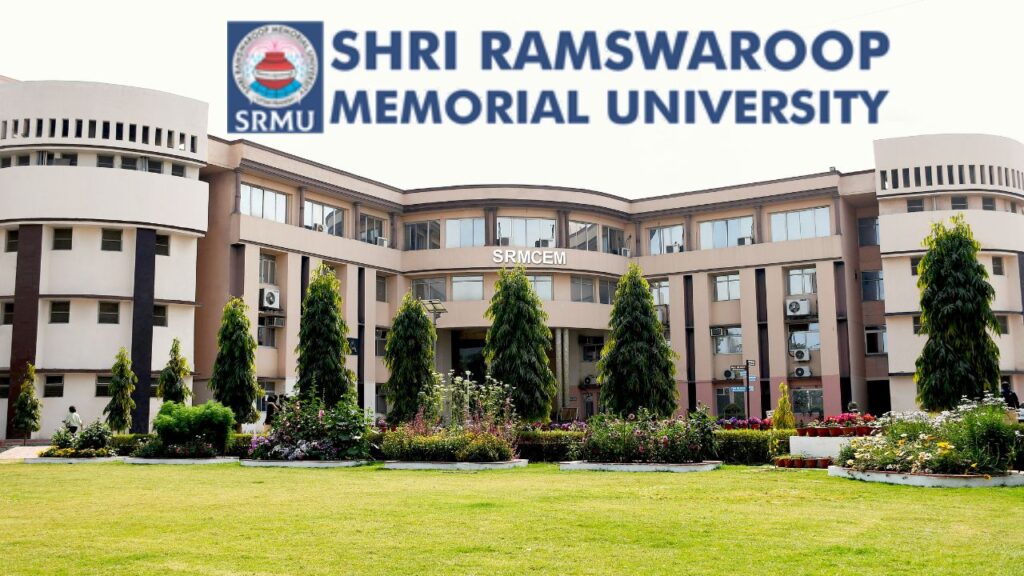
5. Shri Ramswaroop Memorial University – SRM University

Shri Ramswaroop Memorial University - SRM University

An emerging private university in Lucknow, SRMU provides the best education in every field. It has been doing great work so it comes to an attention for its updated MBA curriculum and growing industry connect.

Fees₹2.4–3 lakhs
Average Package₹4.8 LPA
AdmissionMAT/CAT/CMAT
Why Choose SRMU?Value for money, modern teaching methods, and focus on industry level education

Read More 👉 Top 10 MCA Colleges in Bangalore – Best Picks for 2025

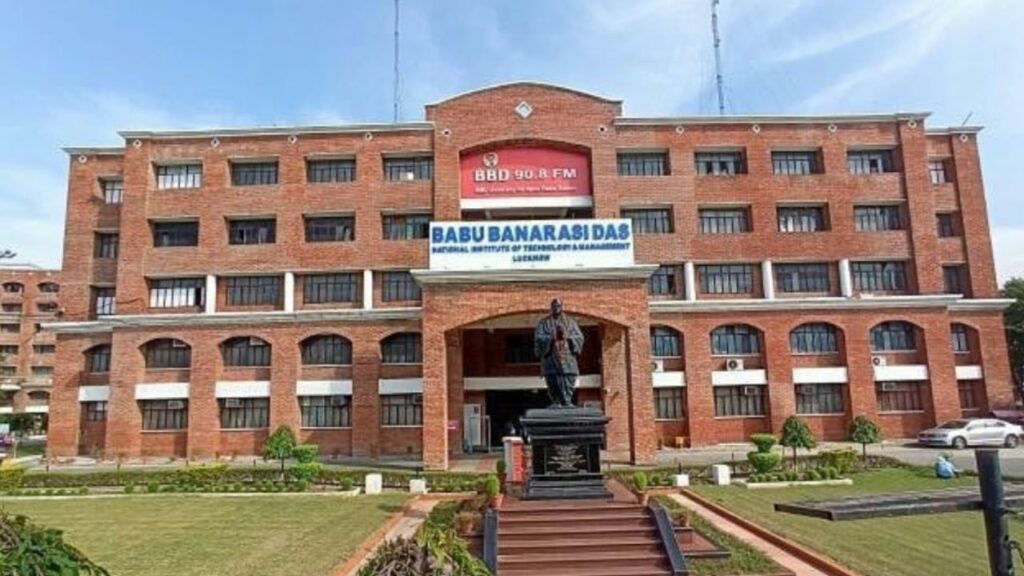
6. Babu Banarasi Das University – BBD University

Babu Banarasi Das University - BBD University

BBD university offers an MBA program which is well known for its stability and affordability. Students who want a good campus life and an MBA degree, it’s a good option for admission in 2025. 

Fees₹2.1–3 lakhs
Average Package₹4–4.5 LPA
AdmissionDirect or through entrance exams
Why Choose?Well-known brand locally, decent infrastructure, moderate placements

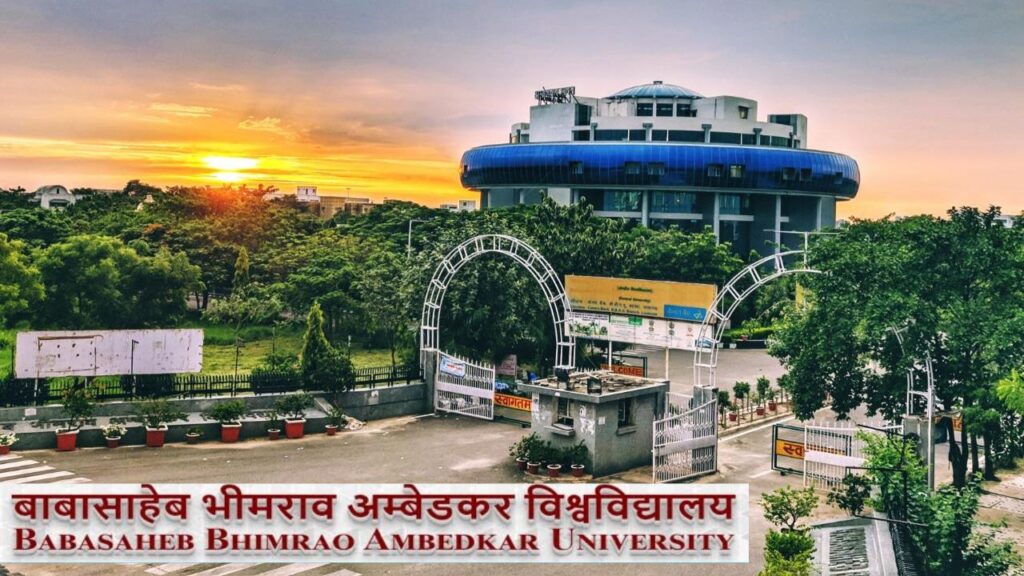
7. Babasaheb Bhimrao Ambedkar University – BBA University

Babasaheb Bhimrao Ambedkar University - BBA University

BBAU offers a wide range of courses, but its MBA program is delivering quality education which empowers student’s careers. This university was founded in 1996, the best university for those who want to pursue an MBA program from a government university and focus on working in the government sector. 

Fees₹1–1.8 lakhs
Average Package₹7.9 LPA (higher than many private colleges!)
AdmissionCUET PG
Why Choose?High ROI, strong academic environment, and growing placement record

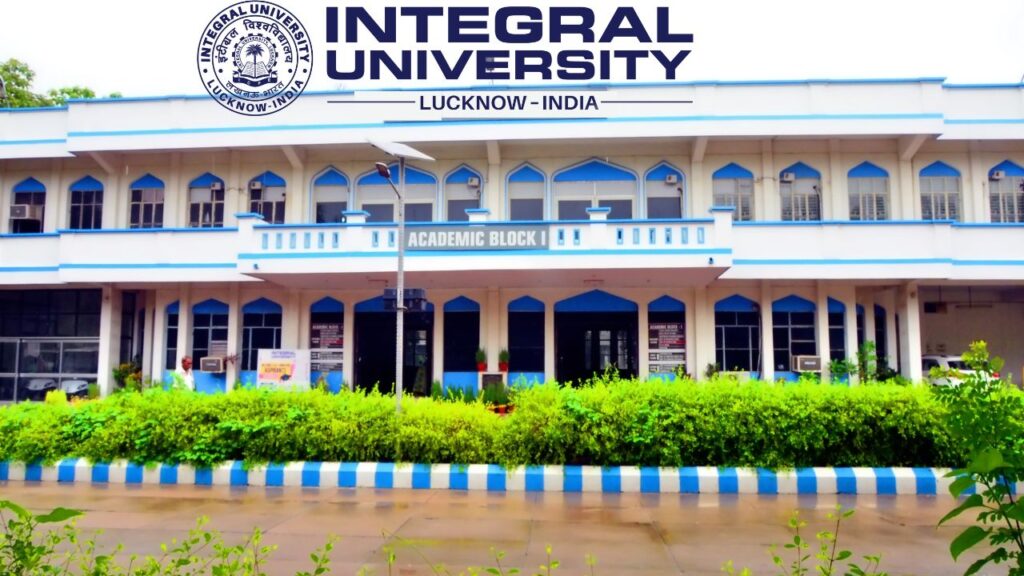
8. Integral University, Lucknow

 Integral University, Lucknow

Integral University, Lucknow: A UGC-approved university is a better option for an MBA. This is impactful for careers in management and technical fields. It acquires the position to deliver the best education in their programs. Ideal for those who want a diverse skill set along with an MBA.

Fees₹2–4.5 lakhs
Average Package₹3–3.5 LPA
AdmissionCAT/MAT/IUET/CUET
Why Choose?Offers dual degree options and specializations in niche sectors

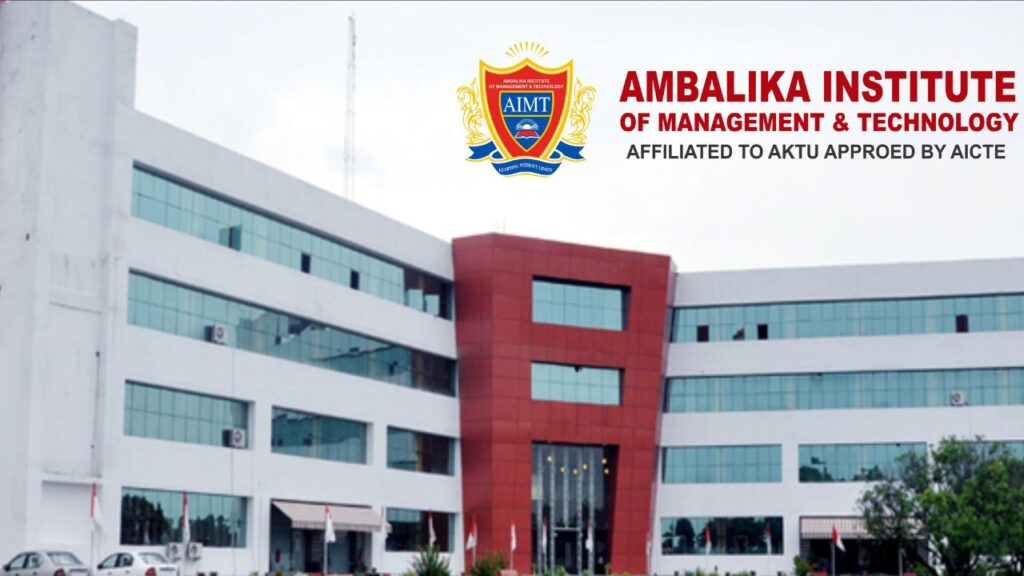
9. Ambalika Institute of Management & Technology

Ambalika Institute of Management & Technology

This institute is good for those who want to focus on management education with knowledge of technical concepts. It offers practical concepts rather than just theory. Smaller town students can achieve their goal with its personalized learning.

Fees₹1.7–2 lakhs
Average Package₹3.8 LPA
AdmissionCAT/XAT/MAT
Why Choose?Industry level projects, personalized trained student, batch size is not too large 

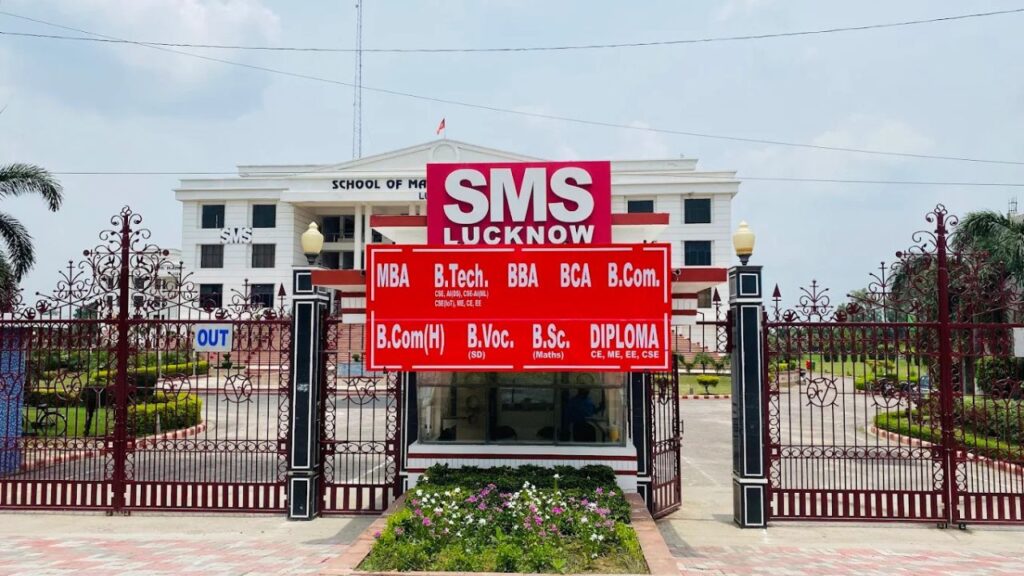
10. School of Management Sciences (SMS), Lucknow

School of Management Sciences (SMS), Lucknow

Who want to focus on preparing for industry based management and get job-ready can choose this college. SMS is a name that’s becoming quite known for its industry-aligned teaching and good connections with mid-level companies.

Fees₹1.5–2 lakhs
Average Package₹3.5–4 LPA
AdmissionCAT/MAT/CMAT
Why Choose?Skill-building focused curriculum and consistent placement efforts

There’s not an exact answer here. It depends on your financial status, potential, and preparation. To get admission in a top college like IIM, you must clear the exam but it clears your goal as top consulting or global roles. But not everyone has a ₹20 lakh budget or the CAT score to match. That’s where private colleges step into for an MBA program. These colleges are also top-tier in lucknow, Jaipuria, IMS-LU, and BBAU provide strong value-for-money programs.

Before choosing a college, consider:

Priorities like Budget

Your professional goals

Entrance Preparation

Campus life and culture

To ensure all of the following before selecting these top 10 MBA Colleges in Lucknow, visit the campus and take feedback from the current students of the college.

RRB NTPC Graduate Level Mock Test 2026-27 – Online Practice Test

RRB NTPC

Preparing for the Railway Recruitment Board (RRB) NTPC Graduate Level Examination 2026-27? One of the best ways to prepare, boost accuracy, and build confidence before the actual examination is to continuously take mock tests. 

The RRB NTPC Graduate Level Mock Test 2026-27 helps candidates understand the examination pattern, practise important questions, improve time management, and identify their strengths and weaknesses. Whether you are preparing for CBT 1 or CBT 2, regular online practice can make a significant difference in your performance.

In this article, you will find details about the RRB NTPC Graduate Level mock test, exam pattern, subject-wise preparation, important topics, and practical tips to improve your score.

RRB NTPC Graduate Level Mock Test 2026-27 Overview 


Particulars Details
Examination RRB NTPC Graduate Level Exam 2026-27
Conducting Authority Railway Recruitment Boards (RRBs)
Exam Mode Computer-Based Test (CBT)
Test Category Graduate Level
Selection Process  CBT 1, CBT 2, Skill Test (where applicable), Document Verification and Medical Examination
Subjects Mathematics, General Intelligence & Reasoning, General Awareness
Question Type Multiple Choice Questions (MCQs)
Negative Marking 1/3 mark for each incorrect answer in CBT
Mock Test Mode Online Practice 
Academic Session 2026-27

Note: The following provides a summary of preparation according to the old RRB NTPC Examination pattern. Candidates should check the relevant official notification for the confirmed 2026-27 examination details.

RRB NTPC Mock Test 2026–27

RRB NTPC CBT-1 Mock Test 1 PDF Download

Why Should You Attempt RRB NTPC Graduate Level Mock Tests?

Mock tests are an important part of competitive examination preparation. Although there is some benefit to reading books and studying specific subjects, time-bound questions are what familiarize you with attempting questions in actual examination situations. 

Here are some important benefits of attempting RRB NTPC Graduate mock tests:

  1. Understand the Exam Pattern

It will give you exposure to the CBT examination format, question types, marking scheme, and subject-wise distribution through mock tests. 

  1. Improve Time Management

Candidates have to answer each multiple-choice question in the time allotted for the whole test. Practicing with the timer gives students a sense of how long to spend on each question. 

  1. Identify Weak Areas

After completing a mock test, analyse your performance to identify topics where you frequently make mistakes.

  1. Increase Speed and Accuracy

Practising regularly can improve calculation speed, reasoning ability, and question-solving accuracy.

  1. Build Examination Confidence

Attempting full-length mock tests helps reduce examination anxiety and prepares you for the actual computer-based test.

RRB NTPC Graduate CBT 1 Exam Pattern 2026-27

The CBT 1 examination is generally conducted as a screening test. It includes questions from three major subjects.

Subject Questions Marks
General Awareness 40 40
Mathematics 30 30
General Intelligence & Reasoning 30 30
Total 100 100


RRB NTPC Graduate CBT 2 Exam Pattern 2026-27

CBT 2 is an important stage of the RRB NTPC selection process. It tests candidates on the same three major subject areas but with a higher number of questions.

Subject Questions Marks
General Awareness 50 50
Mathematics 35 35
General Intelligence & Reasoning 35 35
Total 120 120

The examination pattern should be cross-checked with the applicable official RRB notification.

” Planning to build a career in Indian Railways? Don’t limit your preparation to NTPC alone. Explore our [RRB Station Master Mock Test 2026-27] and practise important questions to strengthen your railway exam preparation.”

How to Prepare for RRB NTPC Graduate Examination 2026-27?

A proper study plan can help candidates cover the complete syllabus without unnecessary pressure. Follow these preparation strategies:

  1. Understand the Syllabus: Initially start by reviewing the complete RRB NTPC Graduate level syllabus for each subject and important topics of each subject. 
  2. Create a Daily Study Schedule: Allocate sufficient time to Mathematics, Reasoning, and General Awareness every day.
  3. Practice Previous Year Questions: Helpful to study previous years question papers to know the brands of questions mostly asked in the examination. 
  4. Attempt Online Mock Tests: Take regular CBT 1 and CBT 2 mock tests to improve your examination performance.
  5. Analyse Your Results: Review incorrect answers and understand the concepts behind them instead of simply checking your score.
  6. Revise Regularly: Make short notes of important formulas, facts, dates, and current affairs for quick revision.

Frequently Asked Questions (FAQs)

Q1. What is the RRB NTPC Graduate Level Mock Test 2026-27?

The RRB NTPC Graduate Mock Test 2026-27 is an online practice test meant for the candidates for Railway Recruitment Board Non-Technical Popular Categories Graduate Level Examination. 

Q2. How many questions are there in RRB NTPC CBT 1?

The standard CBT 1 examination pattern consists of 100 questions carrying 100 marks.

Q3. How many questions are asked in RRB NTPC CBT 2?

The standard CBT 2 examination pattern consists of 120 questions carrying 120 marks.

Q4. Is there negative marking in the RRB NTPC examination?

Yes. Generally, 1/3 mark is deducted for every incorrect answer in CBT 1 and CBT 2.

Q5. Which subjects should I prepare for RRB NTPC Graduate 2026-27?

Candidates should prepare Mathematics, General Intelligence and Reasoning, and General Awareness.

Q6. Are mock tests helpful for RRB NTPC preparation?

Yes. Mock tests help improve speed, accuracy, time management, and familiarity with the computer-based examination format.

Q7. How many mock tests should I attempt before the RRB NTPC examination?

There is no fixed number. Candidates should attempt mock tests regularly, analyse their mistakes, and focus on improving their performance with each test.

Conclusion

The RRB NTPC Graduate Examination 2026-27 requires consistent preparation, proper time management, and regular practice. Online mock tests prove to be a very good test your preparation and knowledge about the pattern of questioning itself. 

Candidates should focus on all three subjects, practise previous-year questions, revise important topics, and take full-length mock tests regularly. By having a carefully planned preparation strategy and staying consistent, you can better your chances of excelling in the RRB NTPC Graduate Level examination. 

Start practising today and take another step towards your Railway career!

Scroll to Top