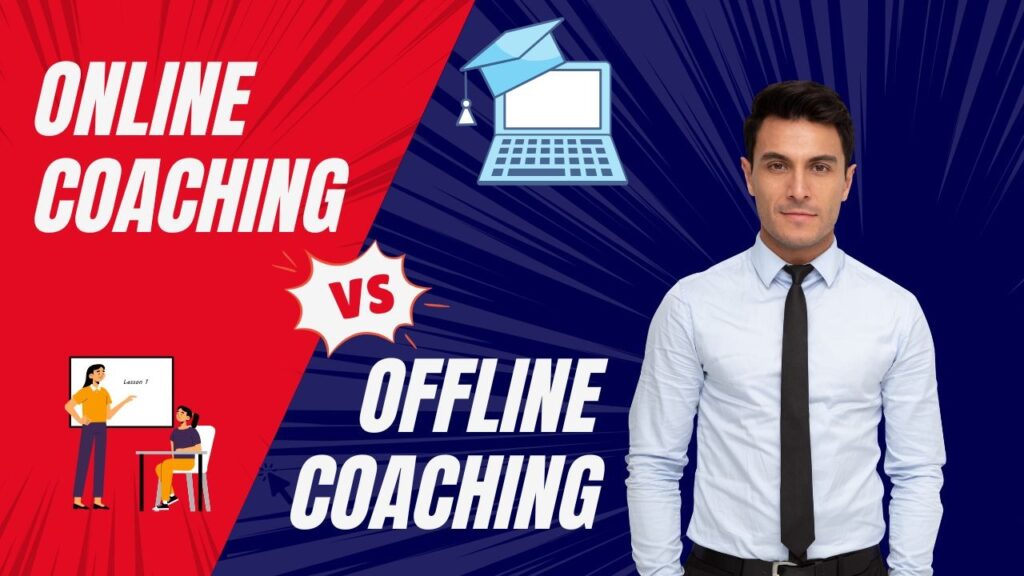
Online or Offline Coaching Which is Better For You? 

Coaching

No matter how much you’re confused while choosing Online or Offline Coaching for your exam preparation, there is no one word answer for that. The better option is which one fits for you and your studies. Whether you are living in a rural or urban area, this choice totally depends on your lifestyle, learning habits, and mind adaptability.

If you understand from recorded sections, you can easily adapt to online coaching. Some students have doubts and need motivation to study, offline coaching works best for them.

Understanding the Purpose of Your Coaching?

Ask yourself, “I want to join a coaching for study content?” or you wanted a structure and motivation that comes from studying with peers. The purpose of your coaching will help you direct in the right path, try to find out that answer. There is no debate left for Online Learning vs Offline Learning.

If you can set your own deadlines to finish the syllabus and search answers to clear your doubts on your own then Online Coaching can be a highly effective option for you. However, if you need someone to keep you accountable and your mind is more attentive in a physical classroom environment then offline coaching is best for you.

Considering Online Coaching is poor is a biggest myth because some subjects find more better content such as faculty access, recorded lectures, and mock test quality in online coaching than offline. 

Advantages of Online Coaching

The online coaching landscape in India has completely transformed over the last five years. One of the best advantages of online coaching is the exposure of great teachers and their lectures through Youtube and learning apps. Students can join classes of best IAS, Mathematics or Science Teachers from different states though platforms like Unacademy, Physics Wallah etc., without having to relocate.

Online Learning vs Offline Learning Strengths

Online Coaching StrengthOffline Coaching Strength
Less expensive and easily affordableMaintain consistency for your studies
You can rewatch lecture in your free timeTrigger competition reflect and motivates through entire period
No need to relocate for best faculty to learnFace-to-face interaction allows better understanding of doubts
Most platform has mock tests, performance tracking and dashboard to monitor your studiesNo distraction from the house or anywhere, the environment is set and more focused on study.
Traveling time is saved and used for studiesPeer support and discussion can improve understanding and keep motivation high 

Fact About Offline Coaching That Nobody Talks About

So many students spend lakhs of rupees to pay the coaching fees, move to an unfamiliar city and live away from their parents, but success is still not guaranteed. Offline coaching does not automatically lead to better results. Be careful while choosing offline coaching, it must have the best teachers that get you, quality study and overall consistency. 

There is also a hidden cost in offline coaching: your traveling money and time. If you travel everyday and your coaching is far from your home then it will waste both your time and money. That valuable time could instead be used for revision, practice, or self-study. 

Which One Should You Choose?

Understand yourself and purpose for the coaching then make a decision for .

Choose Online Coaching If:

  • You are a working professional and wanted to prepare for exams
  • You live in a small town or rural area and don’t wanna move to the city where the best teachers are easily accessible.
  • You have a tight budget and want a cost-effective option. 
  • You are just comfortable with self-study and manage yourself to stay consistent.

Today, high-quality online content is available for major competitive exams like JEE Main, NEET, and UPSC, making online learning a strong choice for many students.

Choose Offline Coaching If:

  • You don’t keep yourself motivated and get easily distracted.
  • You are in Class 11 or 12 and surrounded with a lot of doubts.
  • You have the financial support to attend classroom coaching.
  • You want interaction with teachers and other students, and motivated by a competitive peer environment.

For some exams, especially medical entrance preparation, the quality of certain offline coaching batches is still considered among the best.

Hybrid Learning – Best Coaching Method for Students

Opt for hybrid learning because it combines structured routine of offline coaching with the flexibility of online resources, that gives you everything to crack the exam. With recorded lectures and test series, you can revise the topic whenever you get free or clear any doubts you have. Many top-performing students follow this strategy as it helps to keep them consistent and competitive by attending physical classes while getting extra practice and revision from online learning. It offers the best of both worlds. 

Exam categoryExample exams / authoritiesBest modeWhy (short)Stage note
Engineering EntranceJEE Main (NTA)OnlineHigh-quality online content (PW, Unacademy, Allen Online), much cheaper; superior mock analyticsFinal 3 months: add offline test series for exam-hall pressure practice
Engineering EntranceJEE Advanced (IITs)HybridNeeds deep problem-solving, peer discussion, instant doubt clearing—online alone misses thatBest combo: offline class batch + online for revision/extras; choose offline batch with top peers (Top 5% JEE Main scorers)
Medical EntranceNEET (UG – NTA/UGNMC)HybridBiology often benefits from offline teaching; top online platforms strong (PW NEET, Aakash Digital)Class 11: prefer offline; Class 12 & droppers: hybrid efficient; Physics & Chem may need offline doubt clearing
Civil ServicesUPSC CSE (Prelims, Mains, Interview)OnlineVast syllabus, comprehensive online materials; saves relocation costJoin local/offline test series for Mains answer-writing feedback; Interview prep must be offline mock panels
State PSCsUPPSC, MPPSC, BPSC, etc.HybridState-specific GS and current affairs covered better locally; general subjects onlineHindi-medium students often prefer offline; depends on state — e.g., Lucknow has strong UPPSC institutes
Banking & SSC (Banking)SBI/IBPS PO & ClerkOnlinePattern-based; purpose-built mock platforms (Oliveboard, Testbook, Adda247)Invest in mock test subscriptions rather than classroom fees
SSC (Staff Selection)SSC CGL / CHSLOnlineHighly pattern-driven; aptitude practice > concept depthTier 1: online mock platforms and YouTube suffice; offline often overpriced
RailwaysRRB NTPC / ALPOnlineBasic aptitude + GK; strong online resources availableUse Unacademy Railway, Testbook; self-study with mocks works well
DefenceNDA / CDS (written) + SSB (interview)HybridWritten exam: online prep fine; SSB: offline required for GTO and psych practiceSplit budget: online for written; offline only for SSB coaching

The Honest Pitfalls of Online Coaching

Online coaching actually fails when students start collecting videos instead of actually studying them. Self study is needed in both modes of education, downloading dozens of lectures without watching, revising, or practicing creates the illusion of preparation. In common languages, it’s a fake preparation trap when you have all the study material but you are not practicing or learning it.

No matter how premium the platform you got, online coaching is a waste for you. If you have 50 videos and don’t even watch properly any one of them. You can enroll in any of the best online learning platforms under your the best teacher classes, create a weekly study schedule, and commit to completing each week’s material on time.

Read More:- What Is Distance Education? Benefits, Learning Programs, and Career Opportunities

Conclusion 

Online or Offline Coaching just provides the structure, study content and ways to crack it easily. But you have to work hard on practicing it daily, understanding the topic, maintaining discipline and consistency. Lack of commitment will let you fall in your life whether you are taking Online or Offline Coaching.

Before selecting a coaching style, do an honest self evaluation. Understand your purpose of coaching and exams you are going to pitch for. In the end, it is consistent effort and discipline that counts more than the way you are learning. 

Online Learning vs Offline Learning, Best Coaching Method for Students, Online Education vs Traditional Education


Leave a Comment

Your email address will not be published. Required fields are marked *

MPESB Group 5 Paramedical Recruitment 2026: Complete Guide to 291 Government Jobs in MP

MPESB Group 5 Paramedical

After a long wait, it’s now or never for those aspiring for a government job in the healthcare and paramedical sector in Madhya Pradesh. The Madhya Pradesh Employees Selection Board — commonly referred to as MPESB has released the notification for its MPESB Group 5 Paramedical Recruitment 2026, and it is the one among the state’s highest job hirings this year. You definitely don’t want to snooze on this one – 291 vacancies are up for grabs in multiple departments.

Are you a just qualified diploma holder, an experienced lab technician, or a trained staff nurse seeking to go into government service, this MPESB Group 5 Paramedical Recruitment 2026

 has the right opportunity for you. Let’s break down all the details for you to understand.

What is MPESB?

Madhya Pradesh Employees Selection Board is also known as (MP Vyapam) and it is the right platform for the unbiased and merit based recruitment in Government Job in the State. Located in Bhopal – Chayan Bhawan, it conducts exams from Group 1 to Group 5 across various domains like education, healthcare, police and so on.

MPESB Group 5 Paramedical

It brings the notification, make the online registrations, issue the hall tickets, answer key and result – everything in the name of transparency. MPESB facilitates the recruitment process, From technical and administrative posts to health service and field posts, MPESB conducts thousands of recruitment every year.  

Quick Overview For MPESB Group 5 Paramedical Recruitment 2026

DetailInformation
Conducting BodyMadhya Pradesh Employees Selection Board (MPESB)
Recruitment NameMPESB Group 5 Paramedical Recruitment 2026 
Total Vacancies291 Posts
Application Start Date13/March/2026
Application End Date27/March/2026
Correction Window13/March/2026 – 01/April/2026
Exam Date15/April/2026 onwards
Official Websiteesb.mp.gov.in
Application ModeOnline Only

Posts Available and Vacancy Breakdown

The 291 posts are spread over 9 departments in Madhya Pradesh and consist of a good blend of clinical and non clinical work in the department of health. The following positions are available: 

Post NameDepartment/LocationTotal Vacancies
Ayurveda CompounderDirectorate of AYUSH125
Unani CompounderDirectorate of AYUSH30
Homeopathy CompounderDirectorate of AYUSH20
Lab AttendantGMC Ratlam/Vidisha18
Staff NurseESI Services Indore7
Pharmacist Grade-2Various15+
Others (Technician, Dresser, etc.)Multiple MCs/ESIRemaining 76

Who Can Apply? 

Qualification

Completed 12th grade with subjects including Phy, Che, and Bio and any diploma or certificate in the field of Paramedical by the recognized government of India.

This eligibility criteria makes sure that the aspirants have the basic academic as well as the professional training needed for paramedical field. 

MPESB Group 5 Paramedical Qualification

Further, you must have valid registration with the Madhya Pradesh Para-Medical Council (MP Sah-Chikitsiya Parishad). The detailed eligibility criteria are post-wise and are given in the official notification. 

Age Limit 

  • Age Minimum: 18 years (s) as on date of Advt.
  • Max Age: 40 years (General/Unreserved candidates)
  • Maximum Age Limit is 45 Years for SC, ST, OBC, Women, PwD, Gov. Employees, Home Guard of MP and Ex-Servicemen

The age has been calculated as per your date of birth mentioned in the High School or Higher Secondary certificate. No candidate shall be above 45 years of age as on the last date for receipt of application under any circumstance, except certain contractual employees and categories notified under Rule 14 of the MP government rules. 

Nationality

Under the MP Civil Services Recruitment Rules 1961, the candidate must be a citizen of India or a Citizen of Nepal. Non-MP resident candidates can apply only for OPEN/UR category posts and shall not be entitled to any kind of reservation or age relaxation. 

How to Apply — Step by Step

Application process is going online for MPESB Group 5 Paramedical Recruitment 2026, so you must follow these steps to apply:

  1. Open the official website of MPESB to apply for this recruitment.
  2. Join the recruitment tab and now click on the Recruitment Notification for the subject MPESB Group 5 Paramedical Post Recruitment 2026
  3. Sign up with your mobile number, Email ID, and some personal information
  4. Enter your name, parents’ name, education qualification and other required details in the application form.
  5. Upload a photograph, signature and your certificates if you are from a relevant category
  6. Make payment either online/offline for application/Examination fee.
  7. After submitting the form, keep your application no for future use. 

Read More:- BSc Emergency and Trauma Care

Application Fee

CategoryExam FeePortal FeeTotal
General/Other State₹500₹60₹560
SC/ST/OBC/PWD (MP Domicile)₹250₹60₹310
Direct BacklogNil₹60₹60

The fee is non-refundable and the fee amount is different for each category. You may pay online with Credit Cards, Debit Cards, Net Banking, IMPS, Cash Cards, or Mobile Wallets. 

How Will You Be Chosen?

The method of selection is simple and on the basis of meritorious:

  • Online Written Examination: The online written examination will consist of one objective type paper of 100 marks. The examination will be held from 15 April 2026 in two shifts.
  • Document Verification: The shortlisted candidates will be intimated for the verification of the original certificates.
  • The final candidates will have to go through a medical fitness test for the post as a part of the last selection stage.

There is no interview for this recruitment because selection is based on the Merit score of exam, so prepare well for the examination.

Exam Pattern & Syllabus

The test is a test of both general awareness and technical know-how. It has 100 questions and all questions carry 1 mark which means that the time duration of 2 hours would need to be utilized to solve a total of 100 questions. 

The exam is conducted in both online, or OMR sheets mode and the best part is that there is no negative marking, so go ahead and attempt every question without worrying about losing marks. 

General Section (25 Marks):

This section is for your general knowledge and talent. It contains questions from GK, Hindi, English, Maths, Science, Logical/Interest based reasoning. 

Technical Section (75 Marks):

This is the major part of the exam and tailors subject-specific knowledge of the post you have applied for. such as candidates applying for the posts of Lab Technician may get questions from Pathology and Biology or for Nursing candidates may ask questions from Anatomy, Pharmacology and other medical related subjects. 

In the GK section, questions are broadly asked from history and geography of mp and India, Govt. schemes, and Today Updates. 

Tips for Applicants

Here are some words of friendly advice so you don’t get caught up in this:­

  • Don’t wait for the last date, apply as soon as possible because there is a huge competition out there.
  • Verify all information twice before submitting. Corrections are allowed only up to 01.04.2026 with a fee for modification.
  • It is necessary to have that your MP Para-Medical Council Registration is Active and Valid before applying.
  • Before you begin, keep scanned copies of your photo, signature and all certificates ready.
  • Start preparing for the written exam – 100marks, objective type, no second chance after the window closes. 

Conclusion

MPESB Group 5 Paramedical Recruitment 2026 is indeed good news for all the healthcare professional and paramedical job seekers of Madhya Pradesh. It is not every day that you get an opening where there are 291 vacancies, a clean merit-based selection process, and the support of a reputable Government board.

Submit your application between 13 to 17/March/2026 and read the official notification properly and collect your documents then apply. Jobs in government health care are stable, provide a well-defined career path, and allow you to truly serve your community. This could be your moment.

Best of luck to everyone. Good preparation and no error in your application! 

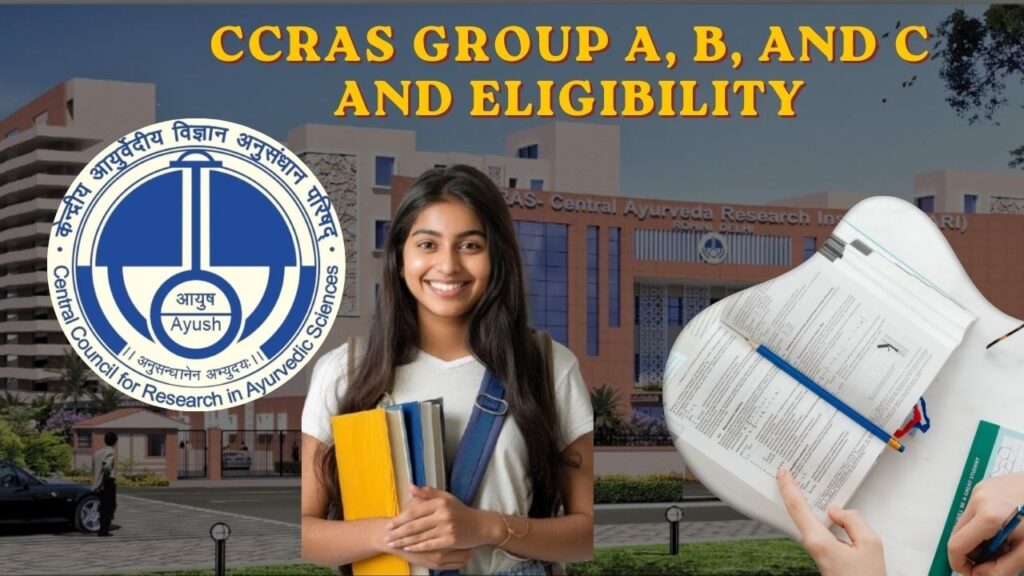
CCRAS Group A B C Eligibility, Selection Process and Other Details

CCRAS Group A B C

Getting a government job in the healthcare and research sector is a big achievement for any competitive exam aspirant. The Central Council for Research in Ayurvedic Sciences (CCRAS) provides hundreds of vacancies in CCRAS Group A B C posts in different departments. Candidates who are interested in Ayurvedic medicines and treatments can enter this field.

If you are a doctor, nurse or a 10+2 holder aspiring to come to the administration sector, then CCRAS Group A B C is just for you with a heaping number of opportunities. Now, as the Computer-Based Tests (CBT) are over and the 2026 results are officially out, let’s take stock of these posts, know the basic eligibility requirements and give a peek into the selection process to be undergone by successful candidates. 

So, let’s get into the full, simple explanation of the CCRAS Group A B C vacancies. 

What is the CCRAS Recruitment Drive?

CCRAS works under the Ministry of Ayush, The Central Council for Research in Ayurvedic Sciences is a statutory body. It is the foremost national body for promotion of scientific research in Ayurveda and is responsible for evolution, standardisation, propagation of research and also funding. 

For the effective functioning of its large network of institutes and centers of research, Cadre Posts were classified in three hierarchical groups according different organizational functions: 

Group A: These are specialized, premier positions for advanced medical professionals and senior researchers.

Group B includes posts which require an intermediate level of technical knowledge and skills, such as nursing staff, translators and senior laboratory technicians. 

Group C is at working level to perform day-to-day functions which is critical to the daily functioning of the organisation, which includes the office staff, junior assistants, pharmacists and Multi-Tasking Staff (MTS).  

Eligibility CCRAS Group A B C 

Struggling to understand who qualifies is one of the most befuddling parts of any mass government announcement. To make things simple and clear, here is a neat summary of essential eligibility criteria and age limits for the main posts in each group. 

Group A Posts (Specialized & Medical)

For the posts of Research Officer (Ayurveda) and Research Officer (Pathology), the candidates are required to fulfill the Eligibility Conditions i.e. should possess a Postgraduate Degree (MD/MS) in the concerned discipline from a recognized university.  

Further, the candidates must be eligible for registration (or registered) with the State/Central Medical Council. The upper age limit is generally 40 years. 

Group B Posts (Technical & Supervisory)

The Group B posts have their own educational and professional prerequisites. For example:

  • Staff Nurse: B.Sc. Nursing or GNM (Diploma) is mandatory. The candidate should have an experience of minimum two years in teaching or research hospital.  
  • Assistant Research Officer (Pharmacology): The candidate should have M.Pharm or M.Sc in Medicinal Plants specializing in pharmacology with one year of experience after degree.  
  • Translator (Hindi Assistant): The candidate should have a Master‘s degree in the prescribed Hindi / English subject combination and a recognized translation diploma.

The general upper age limit for Group B posts is 30 years. 

Group C Posts (Administrative & Support)

Group C has a different kind of job offer that you can get after your 12th or graduation. These various posts require different qualifications:

Post CCRAS Group A B CEducational QualificationAdditional requirements / Experience
Upper Division Clerk (UDC) & AssistantsGraduate (any stream)Basic knowledge of computers
Lower Division Clerk (LDC)12th passTyping speed: 35 WPM in English or 30 WPM in Hindi
Pharmacist (Grade‑I)– Diploma in Pharmacy / D.Pharm (Ay.) with 2 years experience, or- B.Pharm (Ay.) degreeMust be related to Ayurveda as per CCRAS norms
MTS & Laboratory Attendants12th pass with Science (Physics, Chemistry, Biology)1 year of relevant experience
Age Limit (General)Must be between 25 to 30 yearsRelaxations applicable as per category (SC/ST/OBC/EWS/PwD) as per official notification

Selection Process and Exam Pattern

It is important to understand the testing of candidates for the good preparation in days to come. The entire procedure of the selection was rigidly controlled and transparent by CCRAS. 

1. The Computer-Based Test (CBT)

Exam GroupCBT MarksCorrect Answer (+ Mark)Wrong Answer (- Mark)CitiesExam Period
Group A70+1-0.2538 cities across IndiaNov-Dec 2025
Group B, C, MTS100+1-0.2538 cities across IndiaNov-Dec 2025

2. Skill Tests

Aspiring candidates for the posts of LDC or Stenographer have to undergo stringent typing and shorthand tests to ascertain their practical speed and accuracy. 

3. The Interview Round

For the posts of Group A, the CBT is only a part of examination. The selected candidates also have to go a specialized interview with 30 marks to judge their deep subject matter knowledge and suitability for higher research positions. 

CCRAS Group A B C Cut Off Marks

Official CCRAS Group A B C cut off for the session 2025-26 has not been released in the form of a single cumulative table on the website as yet but as of April 2026 the result and cut off update is activated. 

The cutoff scores are different based on categories like UR, OBC, SC, ST, EWS. Also, the cutoff depends on the post for which you have applied, i.e. Whether you are applying for LDC, UDC, MTS, Lab Attendant or any other post. 

Read More:- UPSSSC Lower PCS Recruitment 2026: Notification, Vacancy, Eligibility & Apply Online

How to check exact cut‑offs

  1. To download the CCRAS Group A B C Cut Off 2026, candidates are advised to visit the official website at https://ccras.nic.in. 
  2. Go to the “Recruitment” or “Results” tab. Search for the link or PDF file named “CCRAS Group A B C Cut Off 2026” or the merit list for the particular post. 
  3. Open the PDF to check the minimum qualifying marks which is divided into UR, OBC, SC, ST & EWS. 

Conclusion

The CCRAS Group A B C will provide many posts which is an excellent chance for the individuals who desire a bright future and want to become a part of India’s AYUSH system of medicines. With a carefully crafted selection procedure – from regular CBTs to special skill assessment – the Council makes certain that they end up with the most passionate students.

The 2025–2026 cycle is already serving as a beacon for those who will come after us, even as we await our final appointment letters. Good luck in the next steps of your career journey, stay tuned and keep your paperwork in order! 

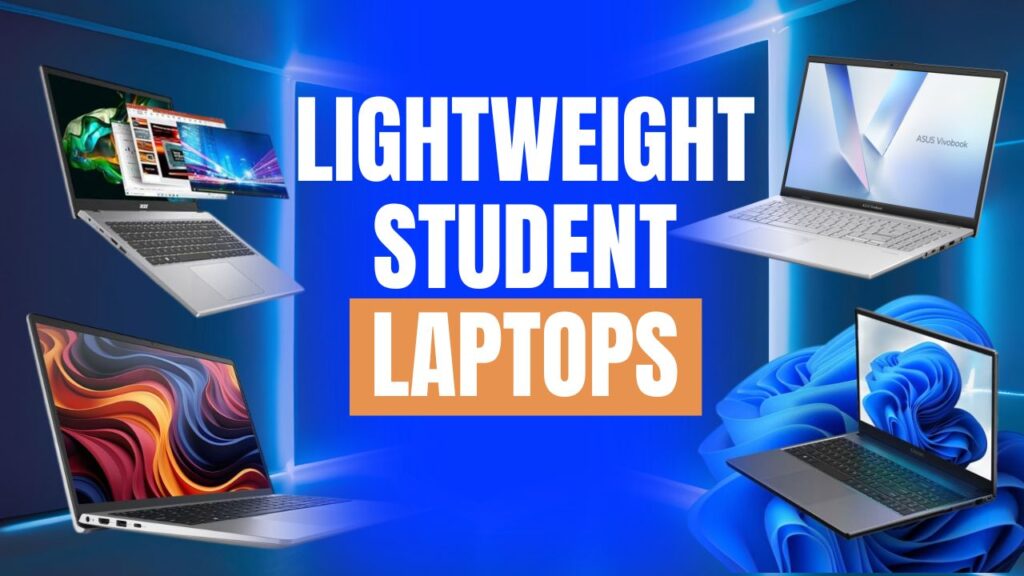
Top Lightweight Student Laptops to Buy in 2026

Student Laptops

Six months into college, nobody’s complaining about their laptop’s benchmark scores. They’re complaining about their shoulders. A 2 kg laptop doesn’t feel heavy in a store demo — it feels heavy on the fourth flight of stairs to a 9 a.m. class, or on the walk from hostel to library with three textbooks and a water bottle sharing the same bag. That’s the real case for lightweight student laptops: not a spec-sheet flex, but something you’ll actually carry every single day for the next three or four years.

Here is a list that sticks to laptops built with that in mind — machines with a confirmed weight under roughly 1.5 kg, or ones explicitly built and marketed as ultraportables where the brand hasn’t published an exact figure for every configuration. Starting from ₹30,000 and goes up to premium models of laptops and every laptop is mentioned with their outstanding features to let you decide which one fits for you.

The prices mentioned below for each laptop as of August 2026 across Indian retailers but they always vary in festive season, so check the live price on online platforms like Amazon and Flipkart or offline store before buying it.

What “Lightweight” Actually Means for a Student Laptop

Under 1.5 kg is the number worth remembering — that’s roughly where a 14-inch laptop stops being a minor inconvenience in a backpack and starts being genuinely easy to forget you’re carrying. Below that, most manufacturers are using magnesium-aluminum alloy or a denser polycarbonate blend instead of the thicker plastic shells common on budget 15.6-inch machines.

The trade-off is usually battery capacity and port selection — thinner chassis mean smaller batteries and fewer full-size ports, so you’ll see more USB-C-only designs and dongles in this category. Screen size matters too: a 14-inch panel can shave 200–300 grams off an otherwise identical 15.6-inch laptop, which is why several picks below come in 14-inch variants specifically. If you genuinely need the extra screen real estate for CAD software or spreadsheet-heavy coursework, that’s a fair trade to make consciously — just don’t assume a 15.6-inch “slim” laptop weighs the same as its 14-inch sibling, because it usually doesn’t.

The Best Lightweight Student Laptops in 2026

1. CHUWI CoreBook X Pro — Under ₹30,000

  • Processor: Intel Core i5-12450H 
  • RAM: 16GB (upgradeable) 
  • Best for: Tightest budgets

If you still want a genuine H series processor, pick CHUWI CoreBook X Pro for ₹30,000 which is a hard ceiling. Instead of U-chip, its offer 12th‑gen Intel Core i5‑12450H and 16 GB of RAM. Combining them will give you excellent performance which you can get in a laptop which costs you twice and both the RAM and SSD are user‑upgradeable later. 

CHUWI CoreBook X Pro


The only drawback is CHUWI is a Chinese brand so it’s hard to find service centers in most regions in India compared to Dell, HP, Lenovo, or Acer. if something goes wrong then it takes longer to repair than usual. Exact weight figures also aren’t always independently confirmed, so check it carefully before buying.

2. Dell Vostro 14 3440 — ₹39,990

  • Weight: 1.46 kg 
  • Processor: Intel Core i3 
  • Best for: Portability-first budget pick

This is the most lightweight student laptop with 1.46 kg at ₹39,990. Dell Vostro is a proven reliable laptop with Core i3 for daily office work, support smooth streaming, and browsing with multiple tabs but it gets stuck when you attend zoom call, play spotify with chrome tabs. 

Dell Vostro


It also offers business-grade hinges and a keyboard that doesn’t get loosen quickly on daily typing. This is a sensible choice for students who want to read PDF’s, make presentations, and complete assignments which don’t require compute-heavy operations.

3. Acer Aspire 15 AS15-42 — ₹40,999

  • Processor: AMD Ryzen 7 7730U 
  • RAM: 16GB 
  • Storage: 512GB Gen4 SSD 
  • Best for: Performance-per-rupee

Give a few hundred extra and get a totally different laptop which supports Ryzen 7 7730U processor and 16GB RAM which most laptops do not offer at this price point. If students want to buy a lightweight student laptop for coding, data work, or large operation tasks which require more cores rather than raw single-thread speed.

Acer Aspire


Acer doesn’t prominently list an exact weight for this configuration but the size of the 15.6‑inch chassis suggests that it will noticeably heavier that the 1.46 kg Vostro. If you need a reliable and well-performing laptop over portability then pick this one.

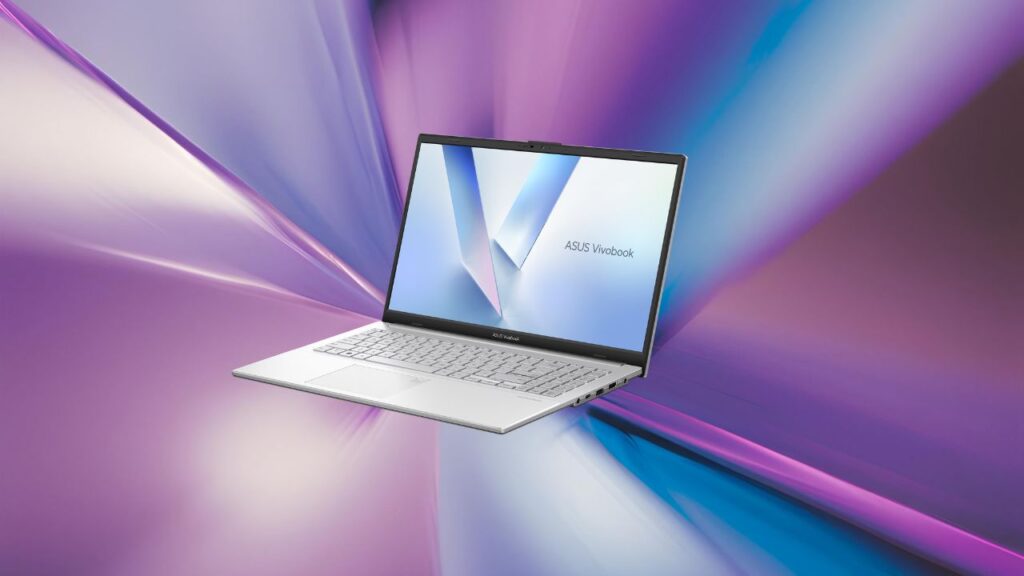
4. ASUS Vivobook Go 15 (2026) — ₹46,990

  • Category: Ultrabook 
  • GPU: AMD Radeon (integrated) 
  • Best for: Mid-range Windows ultraportable

Its name defined its purpose overall, ASUS launched this Vivobook Go 15 especially for students to carry it easily wherever they go. This new 2026 variant is built with AMD-powered chip and Radeon graphics for more high performance and support for everyday multitasking than Intel’s equivalent integrated graphics.


Exact RAM and storage vary by the specific SKU you land on, and ASUS’s spec sheet for this listing doesn’t pin down a precise weight — the smaller 14-inch Vivobook Go models have historically landed between 1.3–1.5 kg, so this is a reasonable proxy, but confirm the number on the exact variant before ordering. 

5. HP Pavilion Plus 14 — ₹69,990–₹79,999

  • Processor: Intel Core i5-1335U (13th Gen) 
  • RAM: 16GB DDR5 
  • Storage: 512GB SSD 
  • Best for: Video calls and note-taking as daily habits

This is the thinnest laptop in the Pavilion range making it best for students who use the laptop for video calls and take notes directly. The 16GB of DDR5 and a genuinely sharp Full HD panel with a solid webcam of HP Pavilion Plus 14, make it noticeably better for online classes than most laptops at this price. 


Price may fluctuate according to the retailer and offers in your area but this one genuinely listed between ₹69,990 to ₹79,999. You can compare its prices across various platforms before ordering it. 

6. Apple MacBook Air 13″ (M4) — ₹89,990 (MRP ₹97,900)

  • Weight: 1.24 kg 
  • Battery: Up to 18 hours video playback 
  • Best for: Design, media, and Apple-ecosystem students

There is no fan noise, long-lasting battery which survives the whole day with you, and 1.24 kg weight that lets you carry it anywhere. Apple’s silicon efficiency consistently holds up in everyday use. This is the lightest and longest-running laptop on this list with honest value. 


The present cost is ₹97,900 but Flipkart offer brings down the price to ₹89,990. The price has been varying a few times in the last months and still is, so better check the exact price before ordering. 

The only downside is that many engineering programs and courses that involve a lot of CAD are not compatible with macOS exclusively, so be sure to check what you will need, or what your specific programs require, before making the switch. 

Dell Vostro 14 vs Acer Aspire 15: Different Purpose in Same Price

The price difference is just ₹1,000 but ideal for students with totally different purposes, so it’s worth putting them side by side directly.

Dell Vostro 14 3440Acer Aspire 15 AS15-42
Price₹39,990₹40,999
Weight1.46 kg (confirmed)Not confirmed — expect heavier
ProcessorIntel Core i3AMD Ryzen 7 7730U
RAMNot specified in listing16GB
StorageNot specified in listing512GB Gen4 SSD
Best forCarrying it everywhere without thinking about itCoding, multitasking, heavier workloads

If you’re choosing between these two, the question to ask yourself isn’t “which is better” — it’s “do I carry this laptop more often than I max it out.” Arts, commerce, and most humanities students will rarely hit the Vostro’s ceiling and will feel the weight difference every day. Engineering, CS, and design students doing real compute work will hit the Vostro’s ceiling within a semester and should take the Aspire’s extra RAM and cores over the lighter chassis.

Which Laptop Should You Actually Buy

Under ₹30,000 and not fussed about brand recognition: the CHUWI CoreBook X Pro gives you specs nothing else at this price matches, provided you’re comfortable with a smaller service network.

Around ₹40,000 and your coursework is reading- and writing-heavy: the Dell Vostro 14 3440 is the lightest confirmed option in this bracket and built to survive years of daily use.

Around ₹40,000 and your coursework involves code, data, or design tools: the Acer Aspire 15 AS15-42 gives you real multi-core performance for barely more money, at the cost of some portability.

₹47,000 range, want a Windows ultrabook rather than a budget laptop: the ASUS Vivobook Go 15 is the pick, with the caveat that you should confirm the exact weight and RAM on your specific variant before paying.

₹70,000–₹80,000 and you’re on video calls constantly: the HP Pavilion Plus 14’s webcam, display, and DDR5 memory earn their premium over the cheaper picks on this list.

₹90,000 and up, and battery life or a fanless, silent machine matters more than Windows-specific software: the MacBook Air M4 is the lightest and longest-lasting laptop here, full stop — just confirm your course doesn’t require Windows-only tools first.

None of this is a push to spend more than you need to. Most students finish a degree comfortably on the ₹40,000 tier; the ₹70,000-plus laptops earn their price mainly if you’re on calls all day or you specifically want the Apple ecosystem.

Two Things That Matter More Than Weight (But Get Ignored)

Weight gets all the attention because it’s the easiest thing to compare across a spec sheet, but two other factors decide whether a laptop actually holds up through a degree.

RAM you can’t upgrade later. Several budget laptops in this price range solder RAM directly to the motherboard, which means the 8GB you bought with is the 8GB you’re stuck with for the laptop’s entire life. This matters more each year as browsers, note-taking apps, and coursework software get heavier — 8GB that felt adequate on day one can feel tight by the second semester. Where a listing doesn’t explicitly say “upgradeable” or list a soldered/DDR5 spec, it’s worth asking the seller directly before you buy, especially on marketplace listings where the exact SKU isn’t always obvious from the product photo.

Charging reality in a hostel room. A laptop rated for 10+ hours on paper is genuinely useful if you’re not fighting for a plug point between four roommates and a limited number of sockets. USB-C charging (as on the MacBook Air and most of the ultraportables above) means you can share a charger with your phone or a power bank in a pinch — a proprietary barrel-pin charger, common on some budget Windows laptops, means losing that one cable is a bigger problem than it sounds. If your hostel setup involves shared or limited charging points, weigh this alongside battery life rather than treating them as separate factors.

Where to Buy (and How to Not Overpay)

Don’t lock into a single retailer before comparing — Flipkart, Amazon India, Croma, and Reliance Digital regularly carry the same laptop at different prices, and the gap can run into a few thousand rupees on any given week. 

Several brands, including HP, Dell, and Lenovo, run student-ID discount programs periodically that aren’t always visible on the main listing page, so it’s worth checking the brand’s own site alongside the marketplace listing. 

Big sale windows — Flipkart’s Big Billion Days in October and Amazon’s Great Indian Festival are typically when the steepest cuts show up, so if your purchase isn’t urgent, timing it around one of those is the single easiest way to save money on any laptop on this list.

Read More 👉 Best Student Laptops for School and University in 2026 

Conclusion 

Here you can get a list of lightweight student laptops which helps you understand which one fits you better. The laptop which lets you do your work smoothly and easy to carry anywhere is the best one, not the premium price laptops. So read and check by yourself carefully before ordering it because the price can go down or high with time.

Aerospace Engineering Courses: Complete Guide to Soar into the Sky with the Right Education

Aerospace Engineering Courses

If you have ever been curious as to how the planes you ride on stay in the air or how a rocket can travel all the way to space, then you think like an aerospace engineer. From Aerospace Engineering Courses, eligibility criteria to future scope and interesting specializations available, this all you need to know guide will help you make an informed decision which you take for pursuing aerospace engineering course in India.

The Indian aerospace industry is booming. ISRO, DRDO, HAL, and a host of private companies are actively hunting for talented engineers to design, build and fly planes and spacecraft. With increasing demand and attractive salary packages, this is the way to your dream career. 

What Exactly is Aerospace Engineering?

Aerospace engineering is the primary engineering discipline concerned with the design, construction, science and technology of aircraft and spacecraft. It is a combination of physics, mathematics, materials science, and advanced tech that address real life problems in the fields of aviation and space travel. 

The range of activities in this field is so broad that it divides into four key specializations:

Aeronautics — This pertains to air within the atmosphere and includes such things as commercial jets, military planes, helicopters, drones (UAVs), and blimps. Aeronautical engineers study flow-air, aircraft design, motion, and propulsion.

Astronautics — A subject of business such as astronauts, rockets, satellites and all the stuff that goes beyond the atmosphere. Astronautical engineers specialize in orbital mechanics, satellite communications, rocket propulsion, and space exploration missions.

Avionics — These are the electronics and computers used in an aircraft and spacecraft. Avionics engineers create the system software of navigation, communication and autopilot systems, etc., in raw air borne machines.

Defense Technologies — This area concentrates on military, and its ability to develop and deploy new systems involving missiles, defense technologies, military drones and weaponized technology. This is important part of national security and defense system. 

Aerospace Engineering Courses

Now let’s move on to the various types of courses under aero space engineering. Whether you are a high school beginner or already have a bachelor’s degree, there is a path for you.

1.Diploma in Aerospace Engineering (3 Years) 

If you are looking forward to pursue a career in aerospace engineering, you can opt for the Diploma in Aerospace Engineering from a reputable board after 10th class.

This is good to start if you have done your 10th grade. It is not really theoretical but ‘practical’ which provides aerospace technologies experience. 

AspectDetails
Duration3 years
Eligibility10th pass with Mathematics and Science (minimum 50% marks)
FocusPractical skills and industry-ready training
Career PathCan pursue B.Tech (lateral entry) or start working
Average Fees₹2-4 Lakh for the entire program

2. Bachelors in Aerospace Engineering — B.Tech (4 Years)

It serves the largest client base and is considered the gateway course for professional aerospace. It is a bachelor’s degree course and the eligibility is 10+2 with Physics, Chemistry and Mathematics (PCM). 

AspectDetails
Duration4 years (8 semesters)
Eligibility12th pass with PCM (minimum 50-60% depending on college)
AdmissionBased on JEE Main Score, state-level exams, or direct merit
Average Fees₹ 2-2.5 Lakh/year in government; ₹5-10 Lakh/year in Private colleges
Total Program Cost₹4-40 Lakh depending on college type

The B.Tech is an all-inclusive course which includes theory and practical based knowledge. Subjects like mathematics, physics, and general engineering will be included in your first two years for foundation then you can choose specializing in aerospace-related subjects in your third year.

3. M.Tech in Aerospace Engineering (2 Years)

M.Tech in Aerospace suits better for those who want a higher level of education in aerospace engineering. Building a professional level career internationally, you must need this degree.

AspectDetails
Duration2 years (4 semesters)
EligibilityB.Tech/BE in Aerospace or related field with 55% minimum marks
AdmissionThrough GATE exam (for government colleges) or merit-based (private)
Average Fees₹40,000-1 Lakh/year in Government; ₹2-4 Lakh/year in Private colleges
Career AdvantageHigher salaries, research opportunities, senior positions

Job opportunities for M.Tech graduates are applicable in research, designing and higher level management. Top companies and research centres look for M.Tech holders for their specialised projects. 

4. Ph.D. in Aerospace Engineering (3-5 Years)

“This Is for the Research and Innovative Curious”. It’s the top aerospace engineer qualification for those who want to know how to research and innovate. 

AspectDetails
Duration3-5 years
EligibilityM.Tech or equivalent with GATE qualification
FocusOriginal research and innovation
OpportunityTeaching, research at ISRO, universities, private labs

5. Aerospace Engineering Few Months Certification Courses 

In just 6 months to 1 year duration, you can enhance knowledge or skills in certain areas. It is best for hands-on experience in a specific field.

Course TypeDurationCostSuitable For
CAD and Aircraft Design6 months₹20,000-50,000Working professionals, students
Avionics Systems6-8 months₹30,000-60,000Interested in Electronics
Propulsion Systems3-6 months₹15,000-40,000Engineers wanting specialization
Aerospace Materials4-6 months₹25,000-50,000Manufacturing professionals

B.Tech Aerospace Engineering Core Subjects

YearSemestersEssential Subjects
1st YearSem 1-2Mathematics/Physics/Chemistry help develop problem-solving skillsEngineering Mechanics/Thermodynamics/Fluid Mechanics/ and Basic Electronics introduce how physical laws apply to real engineering systems.
2nd YearSem 3-4Gas Dynamics and Aerodynamics, which explain how air behaves around aircraftPropulsion and Aircraft Structures teach how engines work and how aircraft are builtStrength of Materials and Computer Programming strengthen technical and analytical skills.
3rd YearSem 5-6You study higher-level aerodynamics, flight dynamics, and structural analysis Heat Transfer and Avionics.
4th YearSem 7-8You learn advanced tools like Computational Fluid Dynamics (CFD)Aircraft Design and Systems

Aerodynamics describes how air moves around air and is an important factor in the level of efficiency of airflow around the wings.

  • Propulsion: Discussion of jet engines, rockets, turboprops
  • Structures deals with building an aircraft to be as strong as possible but still as light as possible.
  • Stability and control the motion of an aircraft.
  • CFD Computational Fluid Dynamics: Uses computers to emulate airflow — a modern necessity
  • Aircraft Design: All of the above are brought to bear on realistic, total aircraft design projects.
  • Most B.Tech courses will involve a lot of lab work, wind tunnel testing, simulators and a capstone design project where you actually design an aircraft or spacecraft. 

Who Are Eligible For Aerospace Engineering

B.Tech (Undergraduate)Need to pass 12th class with PCMB or PCB and should have obtained 50 to 60% marks Meet the age criteria of 17 to 28 yearsEntrance exams such as JEE Main, State Level Exam etc
M.Tech (Postgraduate)Hold a valid B.Tech/BE degree in Aerospace or equivalent with 55% marks Valid GATE score (for government colleges)
DiplomaAfter 10th with Mathematics and Science having 50% marks as a minimum15 years as a minimum age
Lateral Entry to B.Tech 3-year engineering diplomaBSc in Physics, Chemistry, Mathematics

Where Will Aerospace Engineers Work?

OrganizationTypeSpecializationSalary Range (Fresh)
ISROGovernmentSatellites, space missions, rocket development₹8-10 LPA
DRDOGovernmentDefense systems, missile technology₹7-10.5 LPA
HAL (Hindustan Aeronautics)GovernmentAircraft manufacturing, defense₹7-9.5 LPA
Boeing IndiaInternationalAircraft systems, defense solutions₹8-12 LPA
Airbus IndiaInternationalAircraft manufacturing, maintenance₹7-10 LPA
GE AviationInternationalAerospace engine design₹7-9 LPA
Rolls-Royce IndiaInternationalPropulsion systems₹8-11 LPA
Tata Advanced SystemsPrivateAircraft components, defense₹7-11 LPA
Godrej AerospacePrivateSpace and defense hardware₹5.5-7.5 LPA

Salary & Career Growth 

India's aerospace engineering salary

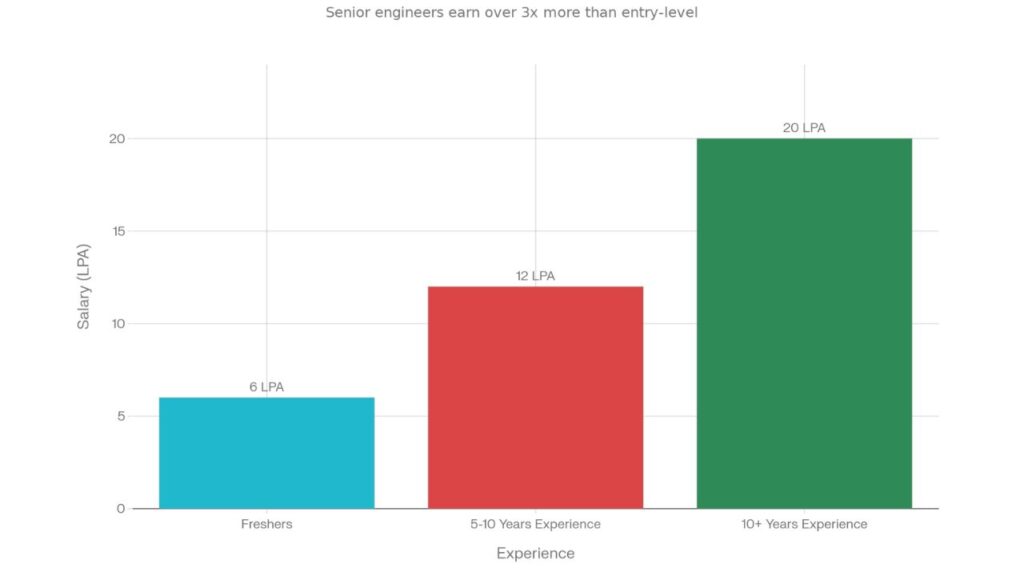
Aerospace Engineering Salary Progression in India

LevelsSalary — LPAMonthly IncomeStages
Fresher (0-1 year)₹4.5-7₹37,500-58,333Graduate joining first job
2-5 years₹8-12₹66,667-1,00,000Intermediate engineer
5-10 years₹8-15₹66,667-1,25,000Senior engineer or team lead
10+ years₹15-25+₹1,25,000-2,08,000+Manager, specialist, researcher

Salary by Sector:

SectorFresher PackageExperienced Package
Government (ISRO, DRDO, HAL)₹7-10 LPA₹20+ LPA
Private Indian Companies₹5-9 LPA₹12-18 LPA
International Companies (Boeing, Airbus)₹8-12 LPA₹20-28+ LPA
Startups & Newer Companies₹4.5-6.5 LPA₹10-14 LPA

The Future Looks Bright

India’s aerospace engineering salary will increase by 20-25% by 2030 and is highly influenced by demand in electric aircraft, AI integration, space exploration, and green aviation related technologies, suggest the industry projections. .

Read More 👉 HR Professional Courses: Get Complete Guide on Career Path, Salary & Growth

The Roadmap To Become Aerospace Engineer

Year 1 & 2: Begin From Basics

The initial two years are dedicated to core subjects such as mathematics, physics and general engineering. These years are tough, but necessary. If you have a strong base in these stuff, then you can understand high level stuff in aero easily later on. 

Year 3: Where Aerospace Engineering Gets Exciting

In year 3, the real aerospace journey begins. You then go on to such specialised areas as aerodynamics, propulsion and aircraft structures.  

Year 4: Major Project and Real-World Problem Solving

Senior year is spent mostly on a senior project. You could design an airplane, build spacecraft systems, or even study a real problem in aerospace engineering. Many of these projects are sponsored by industry, giving students real-world experience and making them more employable. 

Internships: The Key to Career Growth

The majority of aerospace engineering programs require 2 to 3 internships, such as summer and at times semester-long training. Top organizations including ISRO, HAL and Boeing hire interns on a regular basis. This hands on experience is invaluable and it contributes a lot in building a strong resume and career in future. 

Choose Your Specializations

SpecializationFocusScopePreferred Companies
AerodynamicsAirflow, drag reduction, aircraft efficiencyAircraft design, researchISRO, Airbus, NASA etc
PropulsionEngines in Jet engines, space rocketsEngine design, space missionsGE Aviation, Rolls-Royce, ISRO
Flight Dynamics & ControlAircraft stability, autopilots, guidance systemsControl systems, UAVsBoeing, HAL, Airbus
Aircraft StructuresMaterials, stress analysis, lightweight designDesign Structure, & aerospace manufacturingAirbus, HAL
AvionicsRadio System, navigation, ElectronicsUAVs & Avionics Boeing, DRDO

Best Aerospace Engineering Colleges in India

CollegeTypeLocationSpecialization
IIT BombayGovernmentMumbaiAll specializations
IIT MadrasGovernmentChennaiAircraft & Space
IIT KharagpurGovernmentWest BengalAll specializations
IIT KanpurGovernmentUttar PradeshAll specializations
Mahindra UniversityPrivateHyderabadComprehensive curriculum
SRM ISTPrivateChennaiModern labs & industry focus
Chandigarh UniversityPrivatePunjabIndustry-driven curriculum
Ramaiah InstitutePrivateBangaloreWell-equipped facilities
Manipal AcademyPrivateBangaloreResearch-oriented

Conclusion

Aerospace Engineering Courses aren’t simple, it’s a journey through innovation, precision and human ability. Whether you want to design the next generation of commercial planes, put satellites into space, or work on autonomous drones, this is a field with limitless options.

The Indian aerospace industry is poised for growth. With ISRO’s ambitious space programs, HAL’s indigenous aircraft development and international partnerships with Boeing and Airbus, there is no dearth of opportunities. And if you are in the top performers, the world is your sky. 

Best Government Jobs in Goa in 2025

If you are a resident of Goa and are looking for a government job, then this blog is very useful for you. Nowadays Best Government Jobs in Goa has become a secure and respectful career option for people. Whether you are 10th pass, 12th pass or a graduate – Goa government releases jobs in several departments for every level.

In this blog, we have provided a list of top 15 government jobs in Goa, which includes eligibility, name of the department, and official website information. You can apply for these jobs as per your qualification and get a good government job.

S.No.Job TitleDepartment/OrganizationEligibilityOfficial Website
1Goa Civil Services (GPSC)Goa Public Service Commission (GPSC)Graduategpsc.goa.gov.in
2Goa Police Sub-InspectorGoa Police DepartmentGraduatecitizen.goapolice.gov.in
3Goa Police ConstableGoa Police Department10+2citizen.goapolice.gov.in
4Junior Engineer (JE)Goa PWD, Electricity Dept, etc.Diploma in Engineeringpwd.goa.gov.in
5Assistant Professor/LecturerGoa University, Govt CollegesPG + NET/SETunigoa.ac.in
6Goa Forest GuardGoa Forest Department10th Passforest.goa.gov.in
7Staff Nurse/ANM/GNMDirectorate of Health Services, GoaGNM/ANM Diplomadhsgoa.gov.in
8Goa Accounts Department ClerkDirectorate of Accounts, GoaGraduateaccountsgoa.gov.in
9Lower Division Clerk (LDC)Various Departments (Education, Transport, etc.)10+2 + Typinggoa.gov.in
10Multi Tasking Staff (MTS)Govt Offices and Secretariats10th Passgoa.gov.in
11Technical AssistantGoa Electricity DepartmentDiploma/Engineering Degreegoaelectricity.gov.in
12Health OfficerGoa Medical College & DHSMBBSgmc.goa.gov.in
13Talathi (Revenue Officer)Revenue Department, GoaGraduaterevenue.goa.gov.in
14Transport InspectorDirectorate of Transport, GoaGraduategoatransport.gov.in
15Tourism OfficerGoa Tourism DepartmentGraduate in Tourism/Hospitalitygoa-tourism.com
Scroll to Top