Railway RRC WR Apprentice Recruitment 2026 – Apply Online

Railway RRC WR Apprentice Recruitment 2026

The Railway RRC WR Apprentice Recruitment 2026 notification for the posts of RRC WR Apprentice by Railway Recruitment Cell of Western Railways has been released now, 5349 vacancies are available in this zone. This massive recruitment drive is part of Indian Railways’ continuing efforts to enhance skill development and provide real career options to young aspirants in the railway system.

You need to have class 10th marksheet and ITI certificate that is relevant for the job. Check the registration dates before applying because the portal will be closed on 23/March/2026 Candidates who are interested may apply online through the official site of Railway RRC WR Apprentice Recruitment 2026 or direct link given in this blog. 

DetailInformation
PostRRC WR Apprentice 
Vacancy5349
Notification Date18/February/2026
Application Start Date21/February/2026
Application Last Date23/March/2026
Application Fee Payment Deadline23/March/2026
Application Fee₹100 for General and OBC candidates
Age Limit15 to 24 years as of 23/March/2026 

Who can Apply for a Railway Apprentice?

The railway apprentice program asks for your 10th marksheet so you should have gained atleast 50% marks in aggregate & an ITI certificate in the concerned trade. These two are necessary qualifications for the job.

Applications are invited from the Students who cleared the National Apprenticeship Certificate (NAC) as well. Further, those who have pursued an Act Apprenticeship in any related field to this already, are eligible to participate in the Hiring. 

Candidates should meet other eligibility conditions as mentioned in the official recruitment notification besides the educational qualifications and age limits including good physical condition and having the required documents to justify their application. 

Read More:- Indian Police Service IPS: How to Crack and Become IPS Officer

Steps for Application Process

  1. Download the online application form from the official website of the Railway RRC WR Apprentice Recruitment 2026 Cell (RRC). If you are a new user, Please Register at the portal by furnishing all the required details and generating your login ID and password. 
  2. With all that set, sign in to the web site and complete your application. 
  3. Please Verify the authenticity of the information provided to your knowledge as even an iota of mistake may cause problems in subsequent processes. 
  4. Then, upload whatever documents are needed, usually it’s: 

Educational certificates in original and photocopy (attested).

ITI certificates

Caste certificate (if applicable)

Recent passport-size photograph

  1. Then, pay the fee online. The fee may differ for your category.

After checking everything and the documents, submit your application. Please make a photocopy of your application so you should possess proof for the future.

Selection Process

The aim of the Railway RRC WR Apprentice Recruitment 2026 is to ensure that the best and most suitable candidates are selected for 5,349 apprentices posts in various railway trades. There are a series of stages, starting with the simple checks for eligibility, with tests of know-how and practical skills. 

Stages of Selection

Check of Eligibility: First of all, the candidates should have the requisite qualification. It generally implies completing an ITI course in the relevant trade and also adhering to the specified age limit as mentioned in the official notification.

Written Exam: The first big hurdle is the written test. This exam assesses your general knowledge and abilities, and covers such topics as general knowledge, mathematics, reasoning and technical subjects related to your trade. It takes out those who have sound academic and technical knowledge. 

Interview Round: Candidates that qualify the written test are invited for an interview. This round is to test your communication, technical knowledge, confidence and your overall suitability for the apprentice position. It’s also where they can evaluate how much real-world know-how and practical experience you have in a trade.

Medical Examination: Selected candidates have to undergo a medical test after the interview. It ensures that they are fit to be employed in technical and operational railway posts, wherein health and fitness are vital for the safety and performance. 

List of Successful Candidates: A merit list is drawn on the basis of the written exam, interview and medical. Top scorers among the candidates are ranked highest and are selected for the apprenticeship posts. 

Useful Links
Download NotificationClick Here
Apply NowClick Here
Official NotificationClick Here

GovUpdatewala is your trusted source for real-time updates on government exams and jobs in India. We provide verified info on SSC, UPSC, Banking, Railways, Defense, and Teaching exams. From syllabus and patterns to important dates and career tips — we support aspirants at every step.

Leave a Comment

Your email address will not be published. Required fields are marked *

CAT 2025 Exam Analysis: Difficulty Breakdown for VARC, DILR & QA

CAT 2025 Exam Analysis

Almost 2 lakh nervous students are going to throng into exam centres across the country, their heartbeats racing for one of the most competitive entrance exams in India. The CAT 2025 Exam Analysis was held on November 30, 2025 in three slots. It was more difficult than last year and some parts were a lot harder. Let’s understand what exactly made these sections tick and why DILR turned out to be the section that had aspirants sweating bullets. 

VARC: The Surprisingly Approachable Section

Starting with the section which allowed students a fighting chance—Verbal Ability and Reading Comprehension came in at 24 questions to be answered in 40 minutes. Here’s what made VARC the relative breeze compared to the others. The section continued the following pattern: 4 RC passages (reading comprehension question) with 16 questions, and 8 Verbal Ability questions based on parajumbles, para-summaries, and odd sentences out. 

What took many students by surprise was that although VARC had a few tough passages, it was more-or-less the same as last year’s CAT. One highlight was a tract on the ill effects of dams that proved to be amperable, while tracts on AI ethics and The Forest Act 1982 presented mild difficulties with knotty questions and extended options. 

No Rule-Breaking Surprises in the distribution of topics (or in the format). For those students planning to go for a decent percentile, somewhere close to 18-20 correct attempts out of 24 can easily take you till 85 percentile. 

DILR: The Monster Everyone Feared

Now, let’s talk about the elephant in the room — DILR or as many started calling it, “the nightmare section.” With 22 questions distributed in five sets, this section turned out to be the toughest part of CAT 2025. DILR was reportedly “much harder” than the previous year, according to candidates across all three sessions. 

There were about 11 Data Interpretation and 11 Logical Reasoning questions, and about 11–12 questions were to be Type In The Answer (TITA). But here’s the real kicker: DI sets were moderately solvable, LR sets were much more demanding in terms of analytical thinking and puzzle solving skills. One set on a pollution index using weighted averages left many candidates baffled, while simpler sets such as the Spider + Bar graph gave some relief. 

The psychological effect was true. Students observed that in this section, smart question choice became an absolute must. 8–10 good questions with high accuracy was the realistic target to get 90 percentile, as against that year it might have been the need of similar accuracy in 10–12 questions. This was the part that really tested not only what you know, but how you prioritize when you’re under fire. 

QA: Deceptively Moderate but Tricky

Quant may be described by experts as “medium-difficult having a flavor of difficulty and toughness. With 22 questions from the areas of Arithmetic (8), Algebra (5), Geometry (3), Modern Math (4), and Numbers (2), the pattern was pretty much the same. But this is where CAT 2025 surprised many aspirants—each question appeared doable, but a large number of them required multi-step thinking and fast computations while under heavy time pressure. 

Geometry questions, though easier, could be answered quickly, but the other portions were more calculation-intensive and tested not only your speed but your accuracy. To score well, answering 12-15 questions correctly appeared to be the magic number, with somewhere around 13-14 potentially pushing you towards the 90 percentile. 

Read More 👉 Top Companies in IIT Placements 2025: Top Hiring Firms, Salary Trends & Full Details

Overall CAT 2025 Analysis 

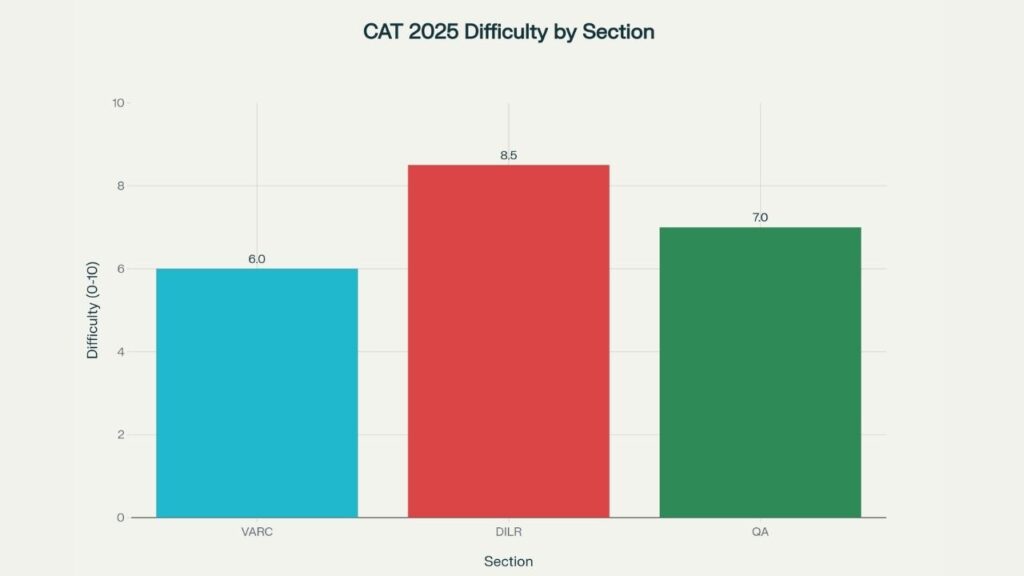
Here’s the hard truth about CAT 2025: the paper was overall a shade more challenging than CAT 2024. DILR took center stage as the villain in the storyline of this year, while VARC surprisingly ended up as the hero. QA swung to the challenging side, particularly in the afternoon and evening slots. 

SectionTotal QuestionsDifficulty LevelComparison to 2024Good AttemptsTarget Percentile
VARC24ModerateSimilar18-2085%
DILR22HighTougher8-1090%
QA22Moderate-HighSlightly Tougher12-1590%

So What Does That Mean for You and Your Prep? 

Quality trumps quantity Every bit as much as in volume matters in this area. Increased difficulty on all three positions also means as you go through the percentiles, the score ranges will be more condensed. You can’t let yourself be sloppy. Smart question selection Knowing when to skip and managing your time ruthlessly become your superpower.

CAT 2025 Section-Wise Difficulty Level Comparison

To those who are readying themselves for CAT 2026 or are giving it another shot, this is what I want you to take away — practice consistently, analyze your errors and know your weak links in each section, that is what will give you an edge. It’s not just testing what you know anymore, it’s testing how you think under pressure. 

Conclusion

CAT 2025 was a testament to how this exam is not only about knowledge of concepts but also about stamina, being flexible and taking razor-sharp decisions under pressure. VARC was somewhat relaxing, DILR was the real game changer which stretched even the best candidates to the brink. QA struck a difficult calculation-heavy balance, rewarding calm precision.

For future aspirants, the biggest take away is simple — “Accuracy is the key, build strong basics and selective solving is the art”. As long as you keep your cool, read patterns fast and fight your battles wisely in the exam, you will always be having that extra edge – Whatever way CAT chooses to dance! 

MPPSC Scientific Officer Details: Lab Geek to Crime-Solving Pro Journey

If you love solving puzzles and investigating small incidents in your life then your mind is already adapted with critical thinking. If you are interested in biology, it will be a bonus point to choose to become a MPPSC Scientific Officer.

The Madhya Pradesh Public Service Commission (MPPSC) regularly recruits Scientific Officers to work in the state’s Forensic Science Laboratories (FSL). If you have a strong education degree with biology and chemistry then you can apply for this role. It is one of the most unique, respected, and fascinating government jobs out there.

It requires specialized skills as this is such a specialized role, you probably have a lot of questions like how can you apply for this role? 

Here is the whole guide to become a Scientific Officer and eligibility criteria to apply for the MPPSC Scientific Officer role. 

What Does an MPPSC Scientific Officer Actually Do?

You probably imagine a government job as tons of files on the desk and endless tasks to complete. But the role of a Scientific Officer is entirely different. 

The Criminal Justice system needs a man with expertise to identify and analyze the founding elements (evidence) from a crime scene. This duty comes with a huge responsibility that is why the Scientific Officer considered the backbone of the criminal justice system. If you are selected for this job, you will be posted in any forensic labs across Madhya Pradesh. 

The job is divided into different disciplines based on your educational background:

Physics Division: Marks on the wall, floor, crack glass, tool marks, are the expertise of the Scientific Officer (physics division) who has to analyze the crime scenes and examine crime scene photographs.

Chemistry & Toxicology Division: Any crime conducted using chemicals, illicit drugs, explosives, are the Chemistry & Toxicology Division Scientific Officer responsibility to examine. He also tests for poisons in biological samples.

Biology & Serology Division: Involves with biology evidence like DNA from hair and blood stain and profiling is Biology & Serology Division Scientific Officer responsibility.

In this role, you are not working in the lab. The police department and court rely upon your reports. It can literally make or break a criminal investigation. So, it’s a strong sense of ethics and absolute precision. 

Who Can Apply? 

Since it’s such a technical position, you can’t just walk in with a regular bachelor’s degree. The MPPSC needs experts on the subject. 

Educational Qualifications: 

You need a Master’s degree (M.Sc.) but choose a particular subject according to the requirement of the division.

You can choose Physics or Forensic Science in both BSc and MSc if you want to enter a physics division.

You can choose Chemistry or Forensic Science in both BSc and MSc if you want to enter a chemistry division.

You can choose Botany, Zoology, Biochemistry, Microbiology, Genetics, or Forensic Science in both BSc and MSc if you want to enter a Biology division.

Age Limit: 

For candidates from Madhya Pradesh the age limit is generally 21 to 40 years. But, a big age relaxation is there mentioned for SC/ST/OBC candidates, women candidates and govt employees of mp. The upper age limit for the candidates applying from out of madhya pradesh is usually 28 or 30 years, as per the particular notification. 

The Exam Pattern

The MPPSC selection process for this post is quite simple. There are generally two stages: a written exam (OMR-based) and an interview.

So, Let’s check at the written exam: It is in two parts and the full exam is of 450 marks with 50 marks for the interview. 

Part A: General Knowledge and Computer Knowledge (150 Marks) 

This is the stumbling block for many science students. Maybe you’re a genius in the lab, but you›ve also got to know your state. Part A comprises of:

B) General Knowledge of Madhya Pradesh – History, geography, economy, arts and culture of MP. You have to know the state like the back of your hand.

National and International Current Affairs: What the world and India is up to at present.

Information and Communication Technology: Basic computer literacy, internet, cybersecurity and e-governance. 

Part B: Your Subject Specialization (300 Marks) 

This is your moment to shine. B is completely specific to the subject you applied for (Physics, Chemistry, or Biology). The syllabus of this part is actually your whole M.sc. You can anticipate deep, conceptual, and technical multiple choice questions. 

One mark can be cut from your answer sheet if you answer incorrectly and give you 3 marks for the right answer.

Read More:- State Police SI vs SSC MTS: Most Prestigious Government Jobs Comparison

Salary of the MPPSC Scientific Officer

Scientific Officer is a Class-II Gazetted Officer post. So this is equal to respect to and you enjoy a good pay scale. The pay scale and the grade pay of the basic pay fall under a very comfortable range of pay (usually basic pay would be in the range of Rs. 56,100 as per 7th Pay Commission). 

After including DA, HRA and other government benefits, your net salary becomes very attractive. In addition, you receive unbeatable job security afforded by a state government position, plus health care and a pension plan. 

Conclusion

MPPSC Scientific Officer is not merely a job, rather it’s a platform to utilize your scientific knowledge for the welfare of the society. It’s hard, mind-bending work, and a fantastic feeling. 

The competition exists, but as the eligibility is limited to certain post-graduate degrees, the crowd is much lesser when compared to common exams like the State Service Exam (PCS). You don’t have to compete against millions; you have to compete against your peers. 

If you have the prescribed qualification and a planned study schedule, then there is no way this exam can not be cleared by you. Be clear with your concepts, be updated with current affairs of mp and start your preparation from today itself. Good luck! 

UP Board Exam Date 2026 – Latest Time Table, Schedule & Updates

UP Board Exam Date 2026

UP Board Exam Date 2026 has been announced — and it will be the moment for students across Uttar Pradesh to stop waiting and start preparing. The Uttar Pradesh Board (UPMSP) has released the modified schedule for Class 10 and Class 12 on the official website upmsp.edu.in, Students can now check the revised time table for UP Board 2023 on the official site. As exams are from 18 February to 12 March 2026, students can now prepare study plan accordingly and stay free from last moment pressure. 

Whether you are finalizing your notes, giving last minute practice tests, or cramming difficult calculations, holding the official schedule brings a ne find structure to your day. To cater to the large number of candidates the board has also declared two shifts for the exam that will be conducted in well-organized manner at the centers across the state. 

So, the final schedule is here now, students can get ready for the first step in their life for their career journey. 

Revised Exam Dates For UP Board 2026

The board examinations for class 10 and 12 of this session (2026) will be conducted from 18 February to 12 March 2026. Now everyone can get relief about the exam dates because it’s time to prepare yourself for the final exam. The official time table was published in early November 2025 and it makes everyone’s life easier who is preparing for one of India’s biggest state board exams.​

So, whether you are cracking your last mock tests or memorizing those hard formulas, keep remember that this marksheet will be a valuable asset for the lifetime and make sure to mark these dates on your calendar. 

Two Shifts for the Board Exams

The board has mentioned that the exams will be conducted in the morning and afternoon to manage the large number of students:  

Morning Shift8:30 am to 11:45 am
Afternoon Shift2:00 pm to 5:15 pm

This system is better to handle the huge crowds, and it would allow everyone ample time to get to the exam site and take the paper with no rush whatsoever.​

Pro tip: It is wise to arrive at your exam center at least an hour before your shift begins. This will help you avoid facing last minute hassles or getting delayed and start your exam with a peaceful mind. 

Dates & Subjects For Board 2026

Some important dates and topics are as follows for the UP Board exams. This is a sample of how the major subjects for classes 10 and 12 are spread roughly across the dates, though the exact subject wise date sheet may vary:   

UP Board High School (Class 10)

DateShiftSubject
18/February/20268:30 am – 11:45 amHindi
18/February/20262:00 pm – 5:15 pmElementary Hindi
19/February/20268:30 am – 11:45 amComputer
20/February/20268:30 am – 11:45 amSocial Science
23/February/20268:30 am – 11:45 amEnglish
25/February/20268:30 am – 11:45 amScience
27/February/20268:30 am – 11:45 amMathematics
28/February/20268:30 am – 11:45 amSanskrit
9/March/20268:30 am – 11:45 amUrdu
12/March/20268:30 am – 11:45 amAgriculture

Note: For Class 12th, the afternoon shift will be given mostly but please check on the official website for accurate timing details of each paper.

To view or download a detailed subject-wise routine, you can visit the official website of UPMSP (upmsp.edu.in) and get the latest PDF timetable. 

What Changed in the Revised Time Table?

The most important modification of the schedule for 2026 is that the schedule adjustment applies to certain big papers such as Hindi. Earlier, Hindi (Both Class 10 & 12) was conducted in the same shift but due to the large number of students, the UP Board has now divided them. For instance, Class 10 Hindi will be held in the morning shift, and Class 12 Hindi will be held in the evening shift on the day. ​

The segregation is expected to check the latest rush at exam centers and the smooth and fair conduct of exams. In the same vein, the board also changed the shift for the Class 12 Sanskrit exam to lessen congestion. 

Exam Center Allocation

The UP Board is also adopting a digital, computer-based center allotment process for 2026. Within a radius of 7 – 15 km from your school or residence, you will be assigned an exam centre. This digital policy is aimed at ensuring that students do not have to travel too far and the centres are determined based on availability of infrastructure, safety etc.​

The process of center determination has already been initiated and it will be finalized by December 2025 so students can expect to know their exact centers for various courses. 

How to Download the Official Date Sheet

  1. Getting your official exam dates is super simple:
  2. Visit the Official UP Board Website: upmsp.edu.in 
  3. Check for the link “UP Board Time Table 2026” or “Date Sheet 2026” on the main page.
  4. Press the link of Class 10 or Class 12 as your requirement.
  5. Save the PDF and take a printout for future reference.
  6. Always trust on the official UPMSP website for the latest updates and don’t believe in rumours from non-official sources. 

Related Exam Updates 

  1. September 1, 2025 was the last date of submission of fee for board examination. School has confirmed all your details are correct or not on 6th of September 2025. Ensure that your details are correct before submission as corrections could be problematic afterwards. ​
  2. Correction Period: For any error in the registration form, a correction window was open from September 12 – 20, 2025.
  3. Admit Card: You’ll get your admit card through your school, or you can download them from the official site.​
  4. Lab Tests: These shall be held separately prior to the theory test, tentatively in January – February 2026. To be informed on dates by your school.

Useful Tips to Prepare for UP Board Exams

  • Make a revision schedule: The exam dates are now out, so decide on your revision topics and give yourself days to focus on tricky subjects.
  • Solve previous years’ papers: It makes you familiar with the pattern and important questions.
  • Schedule rest stops and downtime: You’re not getting any points for working yourself to the bone – you need to rest and relax to be able to focus.
  • Keep in touch with your teachers: Ask for help if you need it – don’t be afraid. 
  • The official updates, reschedules, or other notices would be announced on the UPMSP website only. 
  • Check regularly, as your admit card and practical exam dates are approaching.Don’t believe in rumours— rely on only official announcements for information about your board exams. 

Conclusion

The UP Board exam 2026 syllabus is now well-organized and clear, and some steps have been taken to make the experience fair and smooth for the students. The 2026 Olympics will take place from February 18 to March 12, 2026, and with all the major updates already out of the way, it’s time to set your mind to preparation with a calm and clear plan.

Keep in mind that you don’t need to work hard for a board exam to do well but work smart and timely. Good luck to all the candidates! may you get the results you want for all your efforts. 

UPSSSC Mukhya Sevika Salary 2025 – Check Pay Level, Job Profile & Perks

UPSSSC Mukhya Sevika Salary 2025

For those prospective female candidates, Uttar Pradesh Subordinate Service Selection Commission (UPSSSC) Mukhya Sevika post is a great chance. Choosing a career in government service can alter the course of an individual’s life. But even as of 2025 this role remains a highly prestigious and solid one and keeps on with professional development and welfare of community and women empowerment. With the 2025 updates of UPSSSC Mukhya Sevika Salary and official information, you can choose the right path. Here are all the details including benefits, job description, eligibility, and recruitment process.

Mukhya Sevika (female head supervisor) job, in Child Development Services and Nutrition Department in Uttar Pradesh. This post entails monitoring Anganwadi centers, implementing welfare schemes for children and women, and ensuring smooth functioning in districts. The recruitment is conducted by the UPSSSC and the process is only for female graduates and has excellent potential for societal good and job security. 

UPSSSC Mukhya Sevika Salary Structure

The application of UPSSSC Mukhya Sevika comes with an princely sum of benefits under the 7th Pay Commission, so you can say that the salary is another compelling reason to apply for this post.Here is the latest details for 2025: 

Pay Level5 (Pay Band-1)
Grade Pay₹2,800
Basic Salary₹29,200/month
Dearness Allowance (DA, 38%)₹11,096/month
House Rent Allowance (HRA, 27%)₹7,884/month
In-hand Salary (Min.)₹39,596/month
Gross Salary (Est.)₹42,000–₹45,000/month
After Deductions₹37,000–₹43,000/month

The salary consists of the basic pay, dearness allowance as applicable from time to time and house rent allowance as per city classification. It also includes other state allowances and deductions. After standard cuts for pensions or NPS contributions, take-home pay can land anywhere between ₹37,000 and ₹43,000 a month. This makes it one of the highest paying graduate jobs in social work. 

Benefits and Perks

  • Pension
  • Insurance Coverage
  • Leave Travel Concession
  • Medical Reimbursement
  • Leave Encashment
  • Official Transport Allowance
  • Other Allowances

Every month employees are also sent a detailed salary slip where the salary, allowances and deductions are mentioned - this is necessary for availing loans and for other official work. 

Job Profile of Mukhya Sevika

A Mukhya Sevika in 2025 will have a host of responsibilities to be fullfilled besides being an office administrator. It involves supervision of Anganwadi Centers under the assigned blocks and ensuring successful implementation of various state and central schemes for women and child welfare. Supervision of Mukhya Sevika is also responsible for organizing training programs for Anganwadi workers and helpers. 

Among their priorities, they run awareness drives in rural and semi urban pockets focussing on educating the community on education, nutrition and health. They have to monitor and follow up on key activities related to immunization, nutrition and education outreach to ensure timely implementation and progress. To keep transparency and accountability, data and updates need to be reported regularly to the higher authorities. The position requires working closely with government departments and health offices to coordinate and monitor that the general development and assistance schemes are adequately being delivered to target populations. 

Read More 👉 BTech CSE Fees at IIT Delhi – Latest Fee Structure and Scholarships

How You Get Selected

Eligibility: This position is only for female candidates. Candidates should have a degree in Arts with subjects like Sociology, Social Work, Home Science, Nutrition and Child Development. Age Limit: 21 to 40 years as on July, 2022. Reserved categories are given relaxation in age. 

Preliminary Eligibility Test is mandatory to apply.

Written (Mains) Exam: Candidates have to appear in an OMR-based written exam of 2 hours, 100 questions (1 mark each) is conducted in a paper, with a ¼ mark penalty for wrong answers.

Document Verification: All the documents to prove your previous qualification, identity, and cast are necessary to attach.

Final Merit List: After the exam, candidates are shortlisted according to their scores with category-wise cut offs

UROBCSCSTEWS
67+62+56+47+58+

Opportunities After Joining—Career Development

Promotion from Seniority: Advancement into senior supervisory and management positions within Child Development Services is based on strong performance and years of experience.

Departmental Exams: Successfully completing additional examinations at the departmental or state level facilitates advancement to senior administrative positions.

Professional Training The Government offers regular training modules on community health, nutrition, management and leadership.

Lead Larger Teams: Agencies may also offer their best employees the opportunity to become Senior Mukhya Sevika or Block Supervisor to lead larger teams, and so on.

Transfers within the Government and Variety in Posts: Staff can apply to transfer to other districts for family reasons or professional development. 

Conclusion

UPSSSC Mukhya Sevika is a good career in the government sector with good salary, job security and service to the society. Since 2025, the company is known for having the best entry-level salaries and benefits for college graduates. And the job also establishes stronger local communities, because so much of child and women’s welfare work is done there. There’s a transparent hiring process, predictable promotion trajectory, and strong perks. This role is ideal for females seeking meaningful work that makes a difference and enduring career success. If you are eligible, prepare to take the lead in ushering change in Uttar Pradesh. 

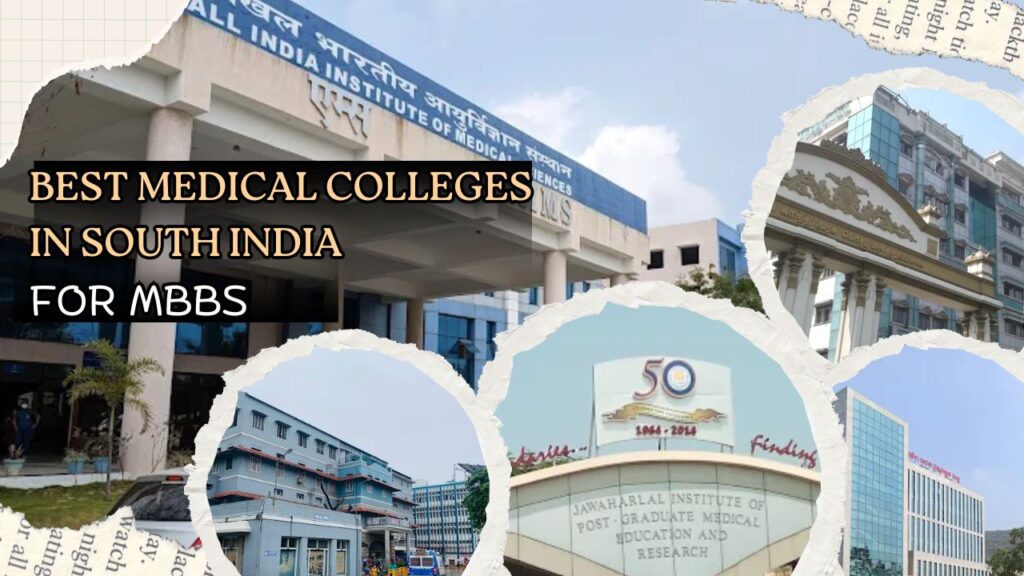
Best Medical Colleges in South India for MBBS You Can’t Miss in 2025!

Best Medical Colleges in South India with top MBBS programs and affordable fees

There are world-class Best Medical Colleges in South India for MBBS which provides quality education and excellent training to produce doctors. The well-established states including Karnataka, Tamil Nadu, Kerala, Andhra Pradesh, and Telangana come under the region of South India. Taking admission in any of these colleges is the right choice for starting your medical journey. South India offers both private and government colleges in a wider range. 

Let’s look into these prestigious colleges which offer both theoretical and practical medical education for students. 

How Did They Become the Best Colleges?

They are equipped with strict regulations to provide strong curriculum, advanced training, hospital exposure, experienced faculty, and support for career growth. After monitoring college prospects and record of successful students, NIRF ranked them as the top colleges of India. The ranking made it easy for students to choose their best college for their higher education. 

Top Government Medical Colleges

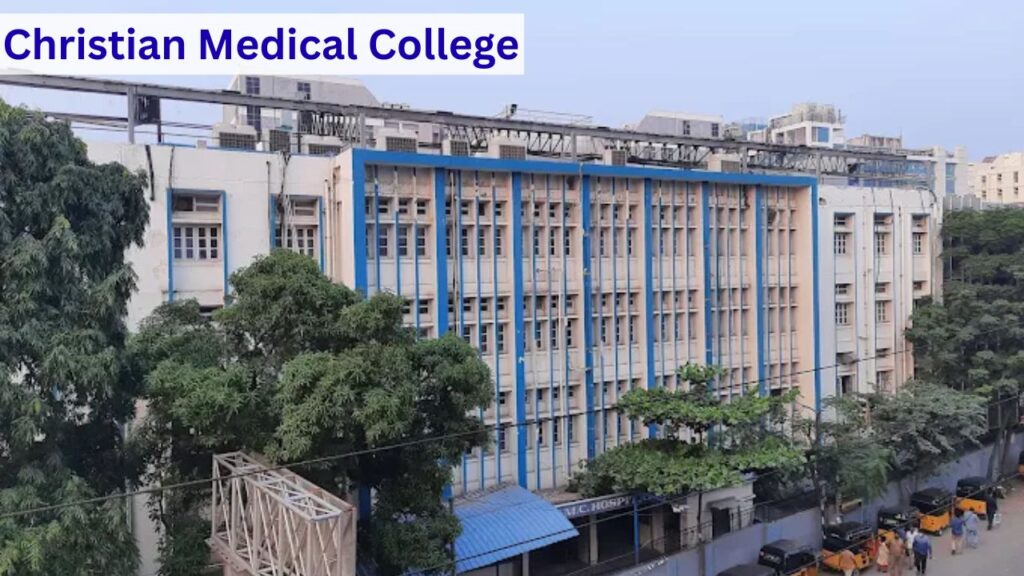
Christian Medical College

Christian Medical College, Vellore is private but offers the best education at affordable fees of just Rs. 13,500 yearly for MBBS. This college became a crown jewel of South India and ranked at 3rd position domestically by NIRF due to its top education and low fees.

Christian Medical College Vellore best medical college in South India

Image credit: Christian Medical College

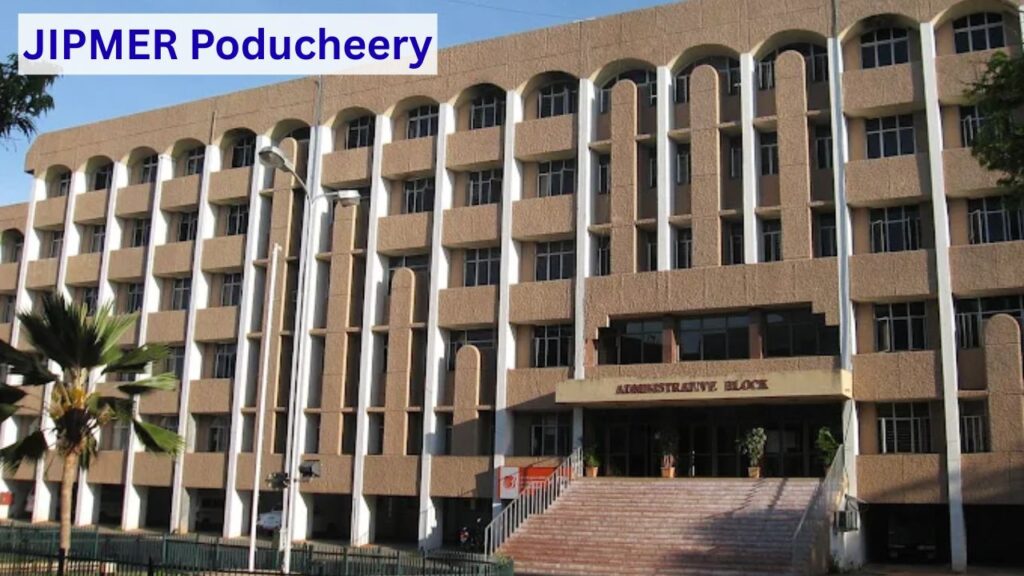
JIPMER Poducheery

Jawaharlal Institute of Postgraduate Medical Education and Research became a best known college for MBBS as it has a strong alumni network. It produces world-class doctors at low fees around Rs. 6000 yearly. It ranked at 4th position in NIRF 2025 due to its exceptional medical education. It is the top medical college of South India, but students need to score well in NEET to get admission here.

JIPMER Puducherry best government medical college in South India

Image credit: JIPMER

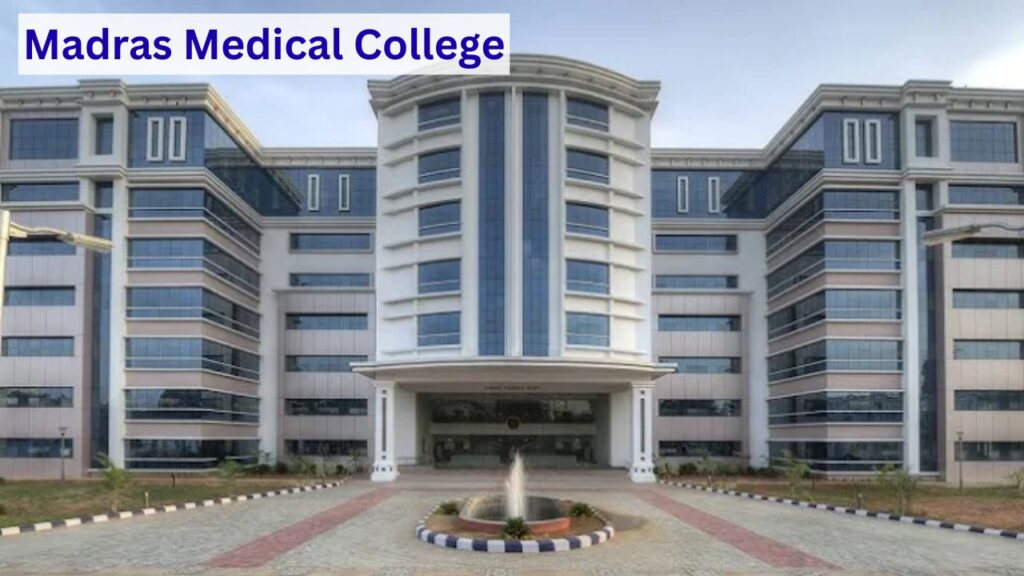
Madras Medical College

Chennai offers best government colleges including Madras Medical College which was established in 1835 and ranked at 16th among top medical institutions in India. Students need to score around AIR 944 in NEET for securing a position among 250 MBBS seats. 

Madras Medical College Chennai top government medical college in South India

Image credit: Madras Medical College

AIIMS Network in South India

All India Institute of Medical Sciences has set its footprints in the South India region with highly ranking among global medical institutions. Students aiming to get their MBBS degree from AIIMS can turn their dream into reality without relocation. 

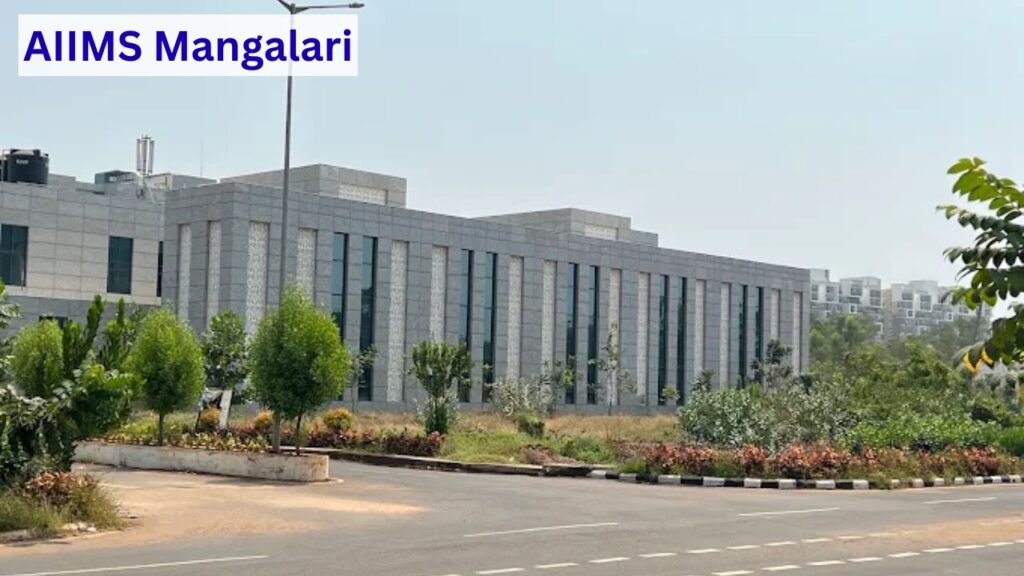
AIIMS Mangalari

AIIMS Mangalari – Andhra Pradesh has become the 29th best medical institution in India by NIRF ranking. It offers a strong curriculum and practical training in a 5 years MBBS program at low fees of around Rs. 15,760 yearly.

AIIMS Mangalagiri top medical college in South India for MBBS

Image credit: AIIMS Mangalari

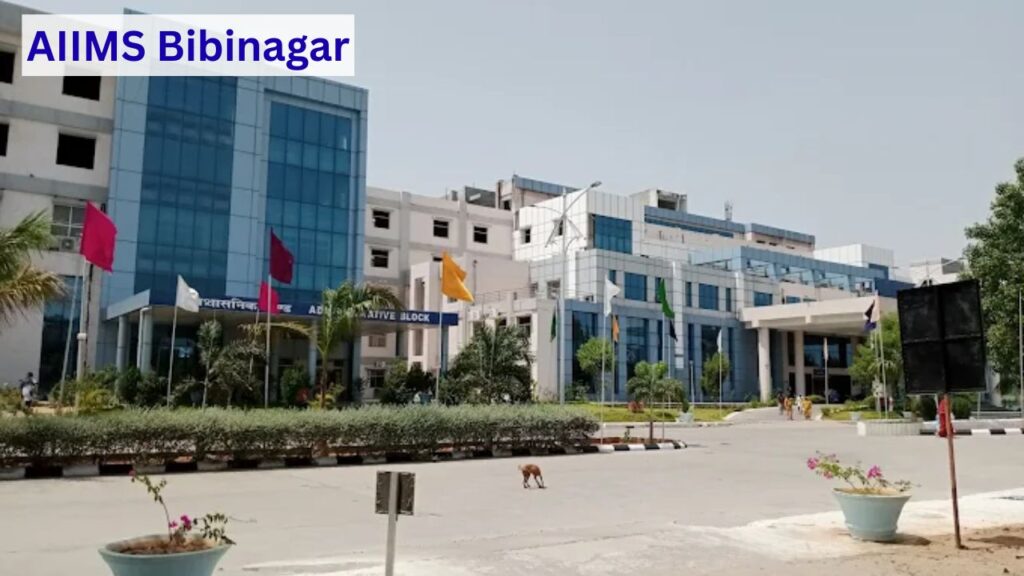
AIIMS Bibinagar

Telangana also has the best medical college and hospital — AIIMS to provide students hospital exposure for getting real knowledge. This one was established recently but still manages to rank in the top medical institutions of India.

AIIMS Bibinagar best government medical college in South India

Image credit: AIIMS Bibinagar

State-wise Government College For MBBS

Tamil Nadu

There are more than 39 government colleges in Tamil Nadu but the top medical colleges can establish your career faster and stronger.

  • Madras Medical College
  • Stanley Medical College
  • Coimbatore Medical College
  • Government Kilpauk Medical College

Karnataka

  • Bangalore Medical College
  • Mysore Medical College
  • Karnataka Institute of Medical Sciences

Kerala

  • Government Medical College, Kozhikode
  • Government Medical College, Thiruvananthapuram
  • Government Medical College, Kottayam

Telangana

  • AIIMS Bibinagar
  • Gandhi Medical College, Hyderabad 
  • Osmania Medical College, Hyderabad

Andhra Pradesh

  • AIIMS Mangalagiri
  • Sri Venkateswara Medical College, Tirupati 
  • Andhra Medical College, Visakhapatnam

Top Private Medical Colleges

Kasturba Medical College

Kasturba Medical College is ranked under top 10 manipal medical institutions for its top-tier education. It offers MBBS at annual fees of around Rs. 17,80,000 and KMC Mangalore also has the same fee structure but both colleges have different cutoffs. KMC Manipal accepts students with AIR 40,258 and KMC Mangalore accepts at AIR 57,207 NEET cutoff.

Amrita School of Medicine

Amrita School of Medicine is located in Kochi and offers best medical education to their students. They have experienced faculty and strong curriculum, making it the highest-ranked private medical college in South India. It has ranked at 9th in NIRF ranking and it offers MBBS at fees around Rs. 18,50,000. 

St. John’s Medical College

St. John’s Medical College of Bangalore offers MBBS program at fees around Rs. 8,11,285 yearly. It ranked 30th among Indian medical institutions and needed a cutoff AIR 11,483 for admission in the course.

MS Ramaiah Medical College

MS Ramaiah Medical College is also located in Bangalore and comes under top 50 in medical colleges. It offers MBBS at cost Rs. 25,15,750 approx. It is the best college because of its excellent faculty, attached to multi-speciality hospital, and strong alumni network. 

JSS Medical College

JSS Medical College, Mysore is also a top medical college that provides MBBS around Rs. 18,86,900. Admission is accepted for students who do have a cutoff around AIR 122,228 in NEET.

Sri Ramachandra Medical College

Chennai best college – Sri Ramachandra Medical College, ranks among best medical colleges. It is best for MBBS education at fees. Rs. 10,00,000. Students need AIR 313,535 cutoff for admission in this college.

Admission Requirements & NEET Cutoffs

Government colleges are more strict on the NEET cutoffs because of their top-tier education in low fees. They categorized from top to mid-tier colleges, colleges like AIIMS and JIPMER need AIR 1000–5000 NEET cutoffs for students’ admission. While mid-tier colleges require AIR 5000–15,000 NEET cutoffs for admission.

Private colleges have wider variation in NEET cutoffs, top private colleges require AIR 10,000–50,000 and some colleges need AIR 50,000 — 200,000.

But NEET cutoffs significantly depend on the state, year and college type, so check out the college official brochure for admission that mentioned exact NEET score for admission.

Fee Structure Analysis

Government colleges such as AIIMS and top-tier central institutions have offered MBBS programs in a lower range of fees Rs 6000 – Rs 16,000 annually. While state government colleges have a slightly higher range from Rs. 60,000 to 110,000 annually for MBBS. According to the management quota, government college fees range between Rs 6–12 lakh annually.

Private colleges have divided their range between Deemed university and Private colleges, according to management quota which significantly ranges between Rs. 25 lakh to 50 lakh annually. It may slightly lower around Rs. 8 – 12 lakhs in some private colleges. 

Conclusion 

South India’s Medical colleges offer prestigious opportunities for aspiring doctors to take their MBBS degree at an affordable price. Private institutions fees are higher, so aim for the government colleges which offer both excellent academic resources and clinical exposure to medical graduates. These Best Medical Colleges in South India for MBBS will provide you not only a degree but the best education and research ecosystem to become a doctor.

Scroll to Top